
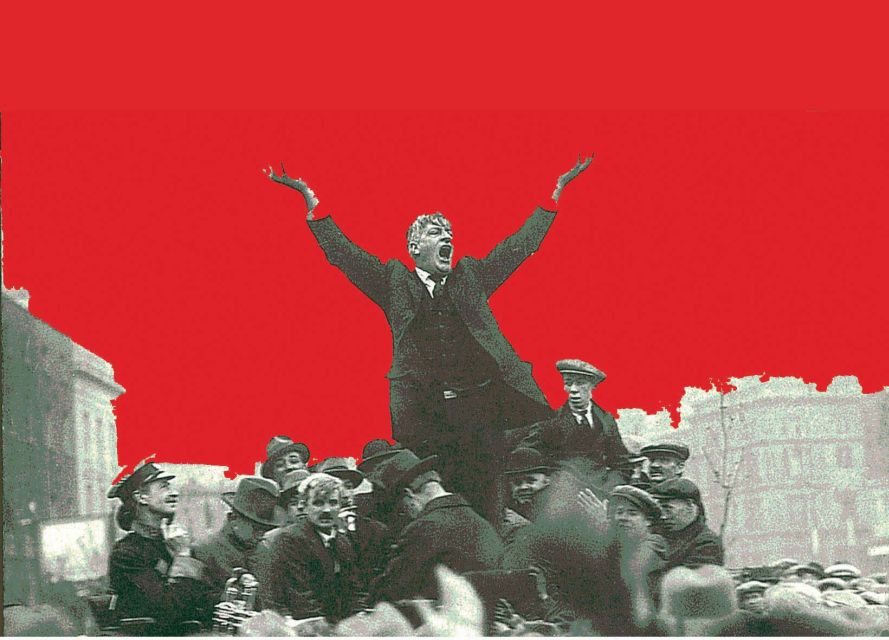
Reviewed · WALKING TOURS
Historical 2-Hour Guided Walking Tour of Dublin
Dublin’s past is not tucked away in one museum. It is written into streets, buildings, statues, and even old bullet holes. This two-hour walking tour connects those clues into one clear story, from Ireland’s early past through the 1916 Rising, the War of Independence, and the Northern Ireland peace process.
I like two things right away: the guides are history graduates from Trinity College Dublin or University College Dublin, and the route covers major sights without wasting your first morning on a coach. Guides such as Jodie, Daragh, Colm, and Eoin bring dates and political events to life with humor, personal anecdotes, and, at times, a song.
The tradeoff is that this is a fact-packed walk, not a slow architectural stroll. You will cover a lot in two hours, and some people may find the stream of names and dates demanding. Good English skills, comfortable shoes, and a willingness to listen will help.
In This Review
- Key points at a glance
- Why this Dublin history walk works so well
- Meeting at Trinity College and setting the timeline
- Dublin Castle and the machinery of power
- Temple Bar beyond the nightlife image
- City Hall and the civic face of Dublin
- Walking the Medieval City
- From global revolutions to the Potato Famine
- The 1916 Rising and the War of Independence
- Modern Ireland and the Northern Ireland peace process
- The guides make or break the experience
- Is $22 a good value?
- Who should book this walk?
- Should you book the Historical 2-Hour Guided Walking Tour of Dublin?
- FAQ
- How long does the Dublin walking tour last?
- Where does the tour begin?
- Where does the tour end?
- How do I identify the guide?
- What language is the tour conducted in?
- Which Dublin sights are included?
- Is entry to the State Apartments at Dublin Castle included?
- Is the tour wheelchair accessible?
- How much does the tour cost?
- Can I cancel for a refund?
Key points at a glance
- Dublin’s story in two hours: Follow the city’s development from early history to modern Ireland.
- History graduates as guides: Guides from Trinity College Dublin and University College Dublin lead the walk in English.
- Central Dublin sights: See Dublin Castle, Temple Bar, City Hall, and the Medieval City on foot.
- Big events explained on location: Learn how the American and French revolutions, the Potato Famine, the 1916 Rising, and independence shaped Ireland.
- Lively presentation: Expect wit, questions, personal stories, and occasional singing from some guides.
- Easy planning: Meet at the Henry Grattan Statue opposite Trinity College, with free cancellation up to 24 hours before the tour.
Why this Dublin history walk works so well
A short city walk can easily become a parade of names with little sense of how the pieces fit. This tour takes a different approach. It uses the streets of central Dublin as a timeline, so you are not only told what happened, you are shown where the city’s political, religious, and civic life unfolded.
That matters in Dublin. The city’s landmarks sit close together, but their meanings are not always obvious. A grand civic building may reflect British rule. A quiet corner may connect to rebellion. A medieval street may help explain how Dublin grew into the capital you see today.
The guides aim to inform and entertain at the same time. That balance is the main reason this tour earns such strong marks, with a 4.7 rating from 865 reviews. Jodie Fitzpatrick, Daragh, Colm, Eoin, Grace, Nate, Tommy, and others are praised for making difficult material easier to follow without reducing it to a simple story of heroes and villains.
You should expect a real history lesson, but not a classroom lecture. Some guides use humor, some add songs, and some bring in personal details. Jodie Fitzpatrick is also an actor, which helps explain the lively delivery often associated with his tours. Daragh is repeatedly described as tying names and dates to their wider setting, a useful skill when Irish history starts to feel crowded with political movements and changing alliances.
More walking tours in Dublin:
- Dublin Highlights and Hidden Gems Guided Walking Tour
★ 5.0 · 6,020 reviews - Dublin: Highlights and Hidden Gems Walking Tour
★ 4.9 · 2,140 reviews - 1916 Rebellion Walking Tour
★ 5.0 · 1,605 reviews
Meeting at Trinity College and setting the timeline
The tour begins at the Henry Grattan Statue, opposite the front gate of Trinity College Dublin. This is a practical starting point in the heart of town, close to several major sights and easy to reach on foot from central hotels and attractions.
Look for a guide wearing an Authenticity Tours lanyard or badge. The walk ends back at the same meeting point, so you do not need to work out a new route after the tour. That is especially handy if you are using the experience to get your bearings on your first day.
Starting near Trinity College also fits the subject. The college is closely tied to Dublin’s civic and intellectual life, and the opening section sets up the wider story of Ireland rather than rushing straight to a photo stop.
The exact route and timing can vary with availability, so check the starting time when you book. The tour is conducted in English, and the amount of spoken information makes clear listening important. If English is not your first language, you may still enjoy it, but the pace and vocabulary can be demanding.
Dublin Castle and the machinery of power
Dublin Castle is one of the essential stops because it helps explain who governed Ireland and how authority worked. The castle is not presented only as an attractive historic building. Its importance lies in its role in Ireland’s political story.
The tour includes the castle area, but entrance to the State Apartments is not included. That distinction is important. You can see and discuss Dublin Castle as part of the walk, yet this experience is not a full indoor castle visit.
I like this approach for a first introduction because the guide can place the castle within the larger story of British administration, Irish resistance, and the transfer of power. You get context before deciding if you want to return later for a longer visit.
Do not expect a long pause for every room or architectural feature. Two hours is enough for explanation and orientation, not a detailed examination of the castle interiors. If the State Apartments are high on your list, plan separate time and budget for that visit.
Temple Bar beyond the nightlife image
Temple Bar is often reduced to pubs, music, and evening crowds. On this walk, the district becomes part of Dublin’s older urban story. You see it in relation to the Medieval City and the changing shape of central Dublin.
This is one of the tour’s useful corrections. Temple Bar is not simply a place to stop for a drink. Its streets help show how modern Dublin sits on top of older layers, and a guide can point out details you might otherwise pass without noticing.
The area can be noisy, so a strong speaking voice matters. One guide, Jodie, is specifically praised for being easy to hear even in the middle of a loud city. That is a small but important practical point. You cannot take in a complex explanation if you are straining to catch every sentence.
Temple Bar is also a good place to ask questions. The tour is designed as a conversation, not only a speech, and guides are used to explaining people, events, and connections in more detail when you want to know more.
More history walks in Dublin:
- Dublin Historical Centre Food Tour with 8 Food Tastings & Drinks
★ 5.0 · 1,718 reviews - 2-Hour Historical Walking Tour from Dublin
★ 5.0 · 875 reviews - Dublin to Cork, Blarney Castle & Cóbh Heritage Centre by train
★ 4.5 · 510 reviews - Dublin: Jeanie Johnston Tall Ship Irish Famine History Tour
★ 4.8 · 431 reviews
City Hall and the civic face of Dublin
City Hall adds another layer to the walk. Here, the focus shifts from a fortified seat of authority to the city’s public and civic identity.
The stop helps you read Dublin as a capital shaped by institutions. Government, trade, public administration, and political change all left marks on the center. You may find that the building matters less as a stand-alone sight than as a setting for understanding how Dublin functioned.
The route does not treat every landmark as an isolated fact. Instead, the guides connect places to the people and decisions associated with them. That is why this tour suits someone who wants more than a list of buildings to photograph.
Walking the Medieval City
The Medieval City section gives the route its strongest sense of place. Narrow streets and old urban patterns can be difficult to interpret without help, especially when modern Dublin has changed so much around them.
Your guide explains how the older city fits into the longer development of Dublin and Ireland. You stop often for historical points, architecture, statues, and small clues. One particularly memorable detail noted by visitors is the chance to see hidden evidence such as bullet holes, reminders that political conflict was not an abstract idea.
This part requires sensible footwear. Daragh’s walk is described as an easy route with many stops, but it is still a two-hour city walk. There are no promises of extended seating, and you should be prepared to stand while listening.
The pace is likely to feel comfortable for people who enjoy walking and stopping. It may feel less suitable if you want a relaxed café-style tour or have difficulty remaining on your feet. The activity is wheelchair accessible, but Dublin’s streets and the movement between stops can still make personal planning worthwhile.
From global revolutions to the Potato Famine
The strongest feature of the tour is its range. In a short time, you hear how the American and French revolutions influenced political thinking in Ireland, then move through the Potato Famine and the pressures that shaped Irish society.
That wider frame is valuable because Irish history did not develop in isolation. Political ideas crossed borders, economic hardship changed communities, and local events connected to larger movements. A good guide can make those links understandable instead of presenting each event as a separate fact.
The Potato Famine is also handled as part of Ireland’s social and political story, not just as a date to memorize. The tour aims to explain how events affected the country and why their effects still matter in modern Irish identity.
Expect plenty of names and dates. This is where the walk’s academic side becomes most noticeable. Guides are praised for their command of the material, but the amount of information can feel heavy if you prefer a light sightseeing tour.
The 1916 Rising and the War of Independence
The 1916 Rising and the War of Independence receive important attention. These subjects are central to understanding modern Ireland, and seeing relevant places while hearing the political background makes the material easier to retain.
The guide helps explain that independence was not created by one event or one person. Political beliefs, military action, public reaction, and later decisions all shaped the outcome. The value of the walk is in showing those connections while you are standing in the city where they unfolded.
This is also an area where humor needs a careful hand. The guides use wit to keep the walk engaging, but the subject remains serious. The best moments come when a joke clarifies a point rather than distracting from it.
If you already have a basic understanding of Irish history, you may appreciate the added detail even more. One especially useful description of the tour is that it assembles scattered bits of knowledge into chronological order. That makes it a good early activity for a longer Ireland trip.
Modern Ireland and the Northern Ireland peace process
The tour does not stop at the early twentieth century. It continues into modern history and discusses the effects of the Northern Ireland peace process.
That modern focus gives the tour unusual value. Many city walks end once the main historic rebellion has been covered, leaving you to connect the past with present-day Ireland on your own. Here, the story reaches closer to the Ireland you see now.
The discussion is intended to give context rather than offer a complete course in recent politics. Two hours cannot cover every argument or perspective. Still, it helps you see that Dublin’s history is ongoing and that older events continue to shape public life and identity.
This section may be particularly useful if you are visiting Dublin with little background on Ireland. You leave with a framework for understanding later conversations, museums, monuments, and visits elsewhere in the country.
The guides make or break the experience
The tour’s greatest strength is the people leading it. A printed route can show you Dublin Castle and City Hall, but a skilled guide turns those places into connected stories.
Jodie is praised for combining a lively style with solid historical detail. Colm is noted for answering questions easily, weaving in personal anecdotes, and even singing verses related to the events being discussed. Daragh brings an academic grasp of Irish history but presents it in a way that is described as clear and accessible.
Other guides, including Eoin, Grace, Nate, and Tommy, are also singled out for enthusiasm, humor, and strong command of the material. Since guides rotate, you cannot choose one specific person unless the booking system allows it. The standard is clearly intended to be consistent, but the personality of your guide will shape the experience.
Some guides may lean toward performance. Others may feel more like university lecturers. That variation is not necessarily a weakness, but it is worth knowing if you are looking for a particular style.
Is $22 a good value?
At $22 per person, this is a sensible purchase if you want a fast, central introduction to Dublin. You are paying for a live guide with formal history training, a carefully connected route, and two hours of interpretation at major sites.
The value is strongest when you use the tour as a foundation. Afterward, you can choose which places deserve a longer visit. You may decide to return to Dublin Castle, spend more time around Temple Bar, or seek out museums and memorials connected to the events discussed.
The price does not cover entry to the State Apartments in Dublin Castle, and personal expenses are not included. That is normal for a walking tour, but remember to separate the cost of the walk from any indoor visits you plan afterward.
Compared with wandering the same streets alone, $22 buys context you would be unlikely to pick up from signs alone. Compared with a full-day guided experience, it is shorter and more focused. I would call it good value for a first or second day in Dublin, especially if you enjoy history.
Who should book this walk?
I would recommend it to:
- First-time visitors who want a clear introduction to Dublin
- Anyone interested in Irish political and social history
- People who prefer walking to coach sightseeing
- Visitors who enjoy questions, stories, and a lively guide
- Repeat visitors who want more meaning behind familiar central sights
- Families with older children who can follow an English-language history talk
I would be more cautious if you want a quiet, slow-paced walk with little narration. It is also not the best choice for anyone who dislikes dates, political history, or standing for long stretches.
Wear comfortable shoes. Arrive at the Henry Grattan Statue in good time, and look for the Authenticity Tours badge. Since the tour returns to its starting point, you can pair it easily with another central Dublin activity afterward.
Should you book the Historical 2-Hour Guided Walking Tour of Dublin?
Book it if you want the story behind Dublin, not just a quick look at its famous buildings. The walk covers Dublin Castle, Temple Bar, City Hall, and the Medieval City, then links them to the Famine, the 1916 Rising, independence, and modern peace efforts.
Its main strength is the guides’ ability to make a long and difficult subject followable. Its main limitation is the amount of information packed into two hours. At $22, that is a fair trade for an educational introduction, provided you are ready to listen, walk, and keep track of a few names and dates.
For most history-minded visitors, I would book it early in the trip. You will see central Dublin with a better sense of what you are looking at, and the rest of your Ireland visit will have a stronger foundation.
FAQ
How long does the Dublin walking tour last?
The tour lasts two hours. Check availability for the current starting times.
Where does the tour begin?
Meet at the Henry Grattan Statue opposite the front gate of Trinity College Dublin.
Where does the tour end?
The tour ends back at the Henry Grattan Statue, the same place where it begins.
How do I identify the guide?
Your guide will wear an Authenticity Tours lanyard or badge around the neck.
What language is the tour conducted in?
The live tour is conducted in English. English is the only listed tour language.
Which Dublin sights are included?
The walk visits or covers Dublin Castle, Temple Bar, City Hall, and the Medieval City.
Is entry to the State Apartments at Dublin Castle included?
No. Entrance to the State Apartments is not included.
Is the tour wheelchair accessible?
Yes, the activity is listed as wheelchair accessible.
How much does the tour cost?
The listed price is $22 per person.
Can I cancel for a refund?
Yes. You can cancel up to 24 hours in advance for a full refund. You can also reserve now and pay later.
More 2-Hour Experiences in Dublin
- 2 Hour Walking Tour of Dublin’s City Centre
★ 5.0 · 63 reviews - Dublin: 2-Hour Premium Whiskey and Food Tasting Tour
★ 4.7 · 54 reviews - Dublin: 2 Hour City Center Guided Walking Tour
★ 4.9 · 12 reviews - 2-Hour Deluxe Whiskey & Food Tasting
★ 4.6 · 9 reviews
Just added around Dublin
- Dublin: Pub Tour. Pour The Perfect Guinness, Whiskey & Music★ 5.0 · 3 reviews
- A Self Guided Walking Tour of Dublin’s Docklands★ 4.5 · 3 reviews
- Private Dublin City tour★ 5.0 · 3 reviews
- Dublin One Day Tour with a Local: 100% Personalized & Private★ 4.5 · 3 reviews
- Waterford Crystal and Kilkenny Full-Day Rail Tour from Dublin★ 5.0 · 3 reviews
- Secret and unusual Dublin: guided walking tour★ 5.0 · 3 reviews
- 5 Day Ireland’s South−East Including Admission from Dublin★ 4.5 · 3 reviews
- Turtle Bunbury’s Dublin: A Self-Guided Audio Tour from a Celebrated Author★ 5.0 · 3 reviews
Walking Tours, compared.
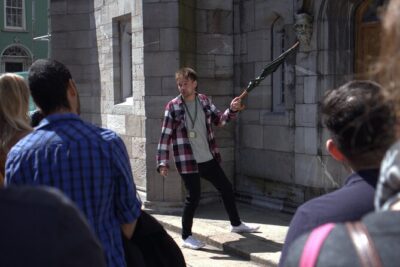
Dublin Highlights and Hidden Gems Guided Walking Tour
Read our review →
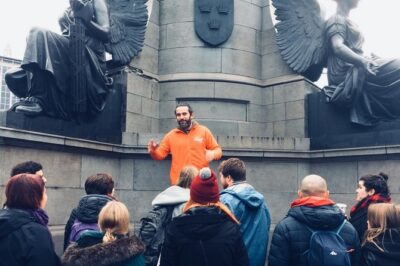
90 Minute Dublin Walking tour and Sightseeing tips
Read our review →

Dublin Traditional Irish 3 Course Meal Walking Tour with Local
Read our review →

Browse the lists this tour appears in