
Reviewed · WALKING TOURS
Secret and unusual Dublin: guided walking tour
Dublin’s best surprises are often tucked beside its famous sights. This two-hour French-language walk uses Temple Bar, Dublin Castle, and Trinity College as reference points, then turns toward lesser-known corners, old rebellion traces, Viking links, Celtic signs, and places tied to music and literature.
I like the tour’s unusual subject mix and its relaxed pace. You get a useful first look at central Dublin without spending the whole time on standard monuments. The main consideration is that it stays outdoors, entrance fees are not included, and the route is not suitable for wheelchair users.
In This Review
- Key points to know before you book
- Why this Dublin walk feels different
- Beginning at the O’Connell Monument
- Temple Bar beyond the pub image
- The unnamed stops are part of the appeal
- Viking traces and Celtic symbols
- Dublin Castle and buildings from other centuries
- Music, literature, and the city’s creative voice
- Powerscourt Townhouse and the central city route
- Finishing near Trinity College
- What the $57 price gets you
- Who should book this walk?
- Practical ways to get more from the two hours
- Should you book Secret and Unusual Dublin?
- FAQ
- How long does the Secret and Unusual Dublin tour last?
- Where does the tour start?
- Where does the tour finish?
- What language is the tour conducted in?
- Are entrance fees included?
- Is the activity suitable for wheelchair users?
- Can I cancel the booking for a refund?
Key points to know before you book
- Starts at the O’Connell Monument: Meet in front of the monument at the bottom of O’Connell Street.
- French-speaking guide: The entire guided experience is provided in French.
- Two hours on foot: Expect a compact city walk with several short stops and stories.
- Topics go beyond standard Dublin history: Look for Vikings, rebellions, street art, music, literature, buildings, and Celtic symbols.
- Major sights are mainly photo and orientation stops: Entrance fees are not included.
- The finish needs checking: The route lists Trinity College as the final point, while the meeting information says the activity ends back at the meeting point.
Why this Dublin walk feels different
Many first visits to Dublin follow a familiar chain of sights. You see O’Connell Street, cross through Temple Bar, pass Dublin Castle, and finish near Trinity College. This walk uses that central route, but its purpose is different. The famous places provide the frame. The guide’s stories and side observations provide the substance.
That makes the experience useful on your first day in the city. You get your bearings, hear a few broad chapters of Dublin’s past, and pick up details to notice during the rest of your stay. It can also work late in a trip, when you already know the obvious sights and want a more curious look at streets you have crossed before.
The topics are wide-ranging. You may move from the remains of independence rebellions to Temple Bar street art, then from Viking heritage to music, literature, architecture, and Celtic symbols. That variety should keep the walk from feeling like a single long lecture.
The tour’s strongest feature is its human scale. Two hours is enough time for plenty of stories, but not so long that the walk takes over your entire day. It is also short enough to combine with a museum, pub meal, or independent visit to one of Dublin’s major attractions.
More walking tours in Dublin:
- Dublin Highlights and Hidden Gems Guided Walking Tour
★ 5.0 · 6,020 reviews - Dublin: Highlights and Hidden Gems Walking Tour
★ 4.9 · 2,140 reviews - 1916 Rebellion Walking Tour
★ 5.0 · 1,605 reviews
Beginning at the O’Connell Monument
The meeting point is in front of the O’Connell Monument at the bottom of O’Connell Street. This is a practical place to begin because O’Connell Street is one of central Dublin’s most recognizable thoroughfares.
You should arrive ready to walk and prepared for changing Irish weather. Bring a rain layer, even if the forecast looks friendly, and wear shoes that can handle city pavements. The experience lasts two hours, so comfort matters more than formal sightseeing clothes.
The monument also gives the guide a natural opening for Dublin’s political story. The walk includes remnants connected with old independence rebellions, so the first section may help explain how public spaces, streets, and buildings preserve memories of political struggle.
Do not expect a long monument visit or an indoor presentation here. This is a meeting point and a starting place, not a listed admission stop. The value comes from the context the guide adds before the group moves on.
Temple Bar beyond the pub image
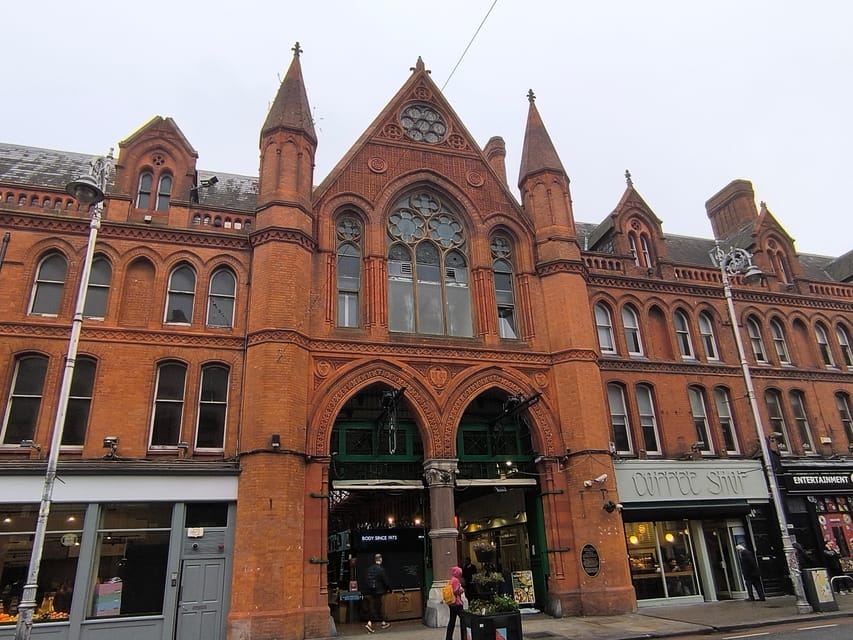
Temple Bar is one of Dublin’s most recognizable districts, and it is easy to reduce it to pubs, crowds, and colorful streets. This walk aims to show another side, with attention to street art and culture.
That is a useful correction to the usual Temple Bar picture. You may still see the district’s familiar character, but the guide’s focus is on how the area functions as a cultural part of the city. The stories may point you toward visual details, artistic touches, or corners that are easy to miss when you are simply heading to a restaurant or pub.
This stop is likely to suit you if you enjoy cities as living places rather than open-air museums. Street art changes, public culture shifts, and the meaning of a district can be debated. A good guide can connect those visible details with Dublin’s wider identity without pretending the area is only quaint or historic.
Temple Bar can also be busy. That is worth keeping in mind. A small group may need to pause at the edge of a lane or keep moving while the guide speaks. You will get more from this section if you listen closely and avoid expecting a quiet, private stroll.
The unnamed stops are part of the appeal
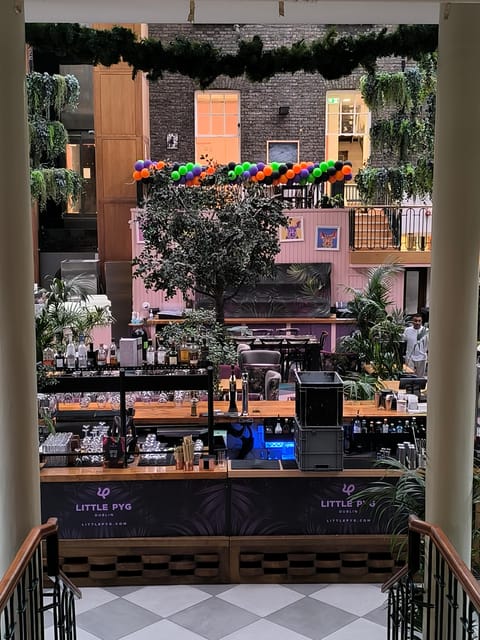
The route includes several stops described only as a guided stop, a secret stop, or an unusual corner. No detailed stop names are provided, and that is both a limitation and part of the experience.
The advantage is that the walk is not presented as a simple checklist of famous buildings. You are encouraged to notice places that may not appear in a standard Dublin plan. These points could help connect the better-known sites, giving the route a sense of discovery rather than a straight march between landmarks.
The drawback is that you cannot fully preview the route. If you want a precise list of every street, building, or monument before paying, this experience gives you less certainty. The supplied details promise atypical corners, but they do not identify each one.
I would treat these unnamed stops as the reason to book, not as a missing feature. The tour is built around surprise. Still, you should ask the provider for the current route if a particular site matters to you.
A few more Dublin tours worth weighing up
- Dublin to Glendalough, Wicklow and Kilkenny Full Day Guided Tour
★ 5.0 · 4,895 reviews - Dublin Book of Kells, Castle and Molly Malone Statue Guided Tour
★ 4.5 · 3,825 reviews - The Little Museum of Dublin Famous Guided Tour
★ 5.0 · 2,948 reviews - Dublin Jameson Distillery and Guinness Storehouse Guided Tour
★ 4.5 · 2,608 reviews
Viking traces and Celtic symbols

Dublin’s story reaches back well before its modern streets and political landmarks. Viking heritage is one of the subjects included on the walk, giving you a chance to see the city through an older layer of settlement and trade.
The information does not promise entry to a Viking museum or archaeological site. Instead, expect the guide to point out connections and explain how Viking traces fit into Dublin’s development. That approach works well during a walking tour because the city itself becomes the setting for the story.
Celtic symbols are another featured theme. The guide will discuss their meanings, which can add a useful visual skill for the rest of your visit. You may start noticing recurring shapes and signs in carved stone, decoration, or public art, though the exact examples depend on the route and the guide’s presentation.
These subjects give the walk more range than a simple list of dates. You get cultural clues, older traditions, and stories attached to the built city. For you, the benefit is not just remembering facts. It is learning how to look at details that might otherwise pass without notice.
Dublin Castle and buildings from other centuries
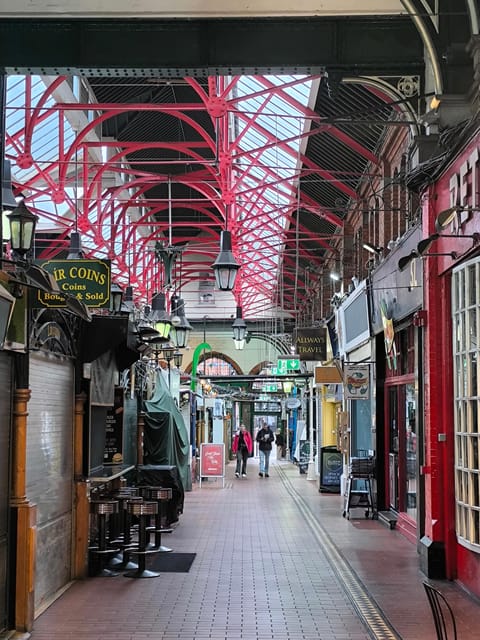
Dublin Castle is one of the route’s named stops. The guide will lead you around the site, but entrance fees are not included. That means you should not assume the two-hour walk includes admission to the castle interiors or any other paid attraction along the way.
The castle is valuable here as a landmark with political and architectural weight. Its presence helps connect Dublin’s government, changing power, and old urban fabric. The tour’s focus on emblematic buildings from other centuries should give you a broader way to read the structures around the castle.
If you want a full castle visit, plan that separately. A guided exterior explanation can help you understand what you are seeing, but it is not the same as taking time inside. The walk’s schedule also matters. With several other stops packed into two hours, Dublin Castle is one part of a larger story rather than the main event.
I like that distinction because it prevents false expectations. Book this for interpretation and city context. Do not book it as a replacement for every major paid attraction in central Dublin.
Music, literature, and the city’s creative voice
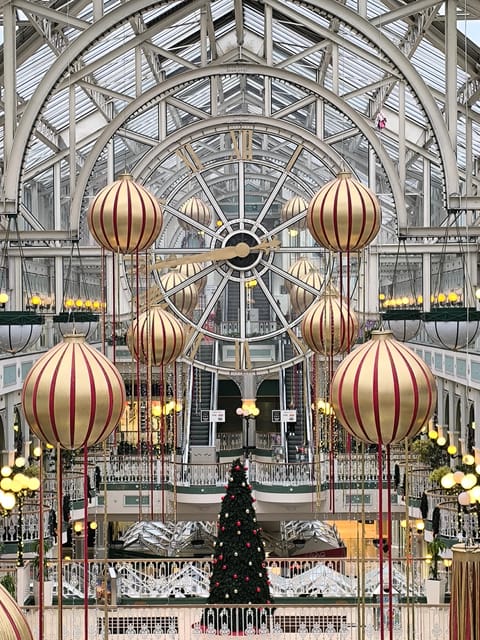
Dublin’s cultural story includes places connected with music and literature. These themes are especially helpful if you want more than political and architectural facts.
The walk does not specify which musicians, writers, or venues will be covered. That means you should expect anecdotes and connections rather than a dedicated literary tour with extensive readings or a visit to a particular author’s home.
Still, this part can give the route warmth. A city is not only its dates, rebellions, and buildings. Songs, books, and performances shape how people remember it. The guide’s anecdotes may also help explain why certain streets or districts carry such strong cultural associations.
The three published comments about the experience highlight the guide’s friendly manner, humor, useful information, and ability to mix accepted facts with local legends. That combination sounds well suited to this subject. You may hear a clear historical explanation followed by a story that is less certain but more memorable. The best guides make that difference clear.
The tour is conducted in French, so it is particularly useful if you prefer to absorb cultural detail in French rather than translate everything in your head. The French-language format also makes the experience a natural choice for a French-speaking couple, family, or group.
Powerscourt Townhouse and the central city route
Powerscourt Townhouse is another named stop. The building adds an architectural angle to the walk and helps show how Dublin’s central streets contain structures from different periods and uses.
The route does not include admission, so treat this as a guided exterior stop unless the guide explains otherwise. The point is to understand the building’s place in the city, not to spend a long period inside.
Placed after Dublin Castle and before Trinity College, Powerscourt Townhouse helps keep the route moving through central Dublin. You will see how a compact area can hold political sites, cultural quarters, old buildings, and commercial streets within a short walk.
The exact pace will depend on the group and the guide. If you enjoy stopping for photographs, you should have opportunities at the iconic points, but this is not designed as a long photography session. Keep your camera ready, listen for the details, and save longer photo stops for after the tour.
Finishing near Trinity College
Trinity College is listed as the finish point. It is a sensible place to end because it leaves you near one of Dublin’s best-known cultural landmarks and within easy reach of central streets.
The end point also gives you a practical choice. You can continue exploring on your own, arrange a separate visit, or use the nearby area for lunch or a drink. The tour does not include Trinity College admission, so plan separately if you want to enter or see a paid attraction there.
There is one logistical point to clarify before booking. The route description names Trinity College as the finish, but the meeting-point information says the activity ends back at the meeting point. Those details do not match perfectly. Ask MP Tour Guiding to confirm the current end location, especially if you have a timed booking afterward.
This is a small issue, but it matters in a city walk. A finish at Trinity and a return to O’Connell Street create different plans for the rest of your day.
What the $57 price gets you
At $57 per person, this is not the cheapest way to see central Dublin. You are paying for a two-hour guided walk rather than admission to a museum, castle, or historic house.
The value depends on how much you want interpretation. If you would otherwise walk the same streets without understanding the smaller details, the guide can make the city more rewarding. The route combines several subjects and gives you a framework for independent sightseeing afterward.
The price is easier to justify for French-speaking visitors who want a live guide in French. A good language match saves effort and lets you follow humor, legends, and cultural references more naturally.
It is less useful if you only want a quick orientation or if you plan to visit several paid attractions. Since entrance costs are separate, add those to your budget. You should also remember that the experience is focused on outdoor viewing, so the price does not buy long indoor visits.
Free cancellation up to 24 hours before the start and the reserve-now, pay-later option reduce some booking risk. Those terms help if your Dublin schedule is still shifting, but check the conditions at the time of booking.
Who should book this walk?
I would choose this experience for you if you:
- Prefer stories and local details to a standard monument checklist.
- Speak French comfortably and want the tour delivered in French.
- Enjoy walking through central districts while stopping for short explanations.
- Like mixing political history with music, literature, street art, architecture, and symbols.
- Want a two-hour introduction early in your stay.
- Have enough flexibility to confirm the end point and manage paid sights separately.
I would think twice if you need step-free access. The activity is listed as unsuitable for wheelchair users, and no alternative route is provided.
You may also want a different experience if you dislike outdoor tours in uncertain weather, need a precise list of every stop, or want extensive time inside Dublin Castle, Trinity College, or another attraction. This walk offers a broad city reading, not a series of full admissions.
Practical ways to get more from the two hours
Wear weather-ready clothing. Dublin conditions can change quickly, and the tour remains outside while moving between stops.
Arrive at the O’Connell Monument with enough time to find the guide. The meeting point is in front of the monument at the bottom of O’Connell Street, not inside a building.
Keep the rest of your day flexible. The route includes several named sights and additional unusual corners, so you will get more from it if you do not have to rush away halfway through.
Use the walk as a planning tool. Take note of the places you want to revisit, especially if the guide points out a building, cultural site, or street-art detail that deserves a slower look.
Finally, confirm two things before setting off: the start time selected during booking and the final meeting point. The tour lasts two hours, but the listed finish information should be clarified.
Should you book Secret and Unusual Dublin?
Book it if you want Dublin presented through small details, local anecdotes, Viking traces, rebellion sites, creative culture, and buildings you might otherwise pass without a second glance. The French-speaking format, friendly delivery, humor, and relaxed two-hour length are its clearest strengths.
Skip it if your priority is indoor admission, wheelchair access, or a fully published route with every stop named in advance. At $57, the walk earns its value through the guide’s interpretation, not through included tickets.
For a French-speaking visitor who wants a fresh first look at central Dublin, I think it is a sensible choice. Just bring a rain layer, expect to walk, budget separately for admissions, and confirm whether the tour ends at Trinity College or returns to O’Connell Street.
FAQ
How long does the Secret and Unusual Dublin tour last?
The walking tour lasts two hours. Starting times vary, so check availability when booking.
Where does the tour start?
The tour starts in front of the O’Connell Monument at the bottom of O’Connell Street in Dublin.
Where does the tour finish?
The route lists Trinity College as the finish point. The meeting information also says the activity ends back at the meeting point, so confirm the current final location with MP Tour Guiding before you book other plans.
What language is the tour conducted in?
The live guided tour is conducted in French.
Are entrance fees included?
No. Entrance fees to visited sites are not included in the tour price.
Is the activity suitable for wheelchair users?
No. The activity is listed as not suitable for wheelchair users.
Can I cancel the booking for a refund?
Yes. You can cancel up to 24 hours in advance for a full refund. A reserve-now, pay-later option is also available.
Just added around Dublin
- Dublin: Pub Tour. Pour The Perfect Guinness, Whiskey & Music★ 5.0 · 3 reviews
- A Self Guided Walking Tour of Dublin’s Docklands★ 4.5 · 3 reviews
- Private Dublin City tour★ 5.0 · 3 reviews
- Dublin One Day Tour with a Local: 100% Personalized & Private★ 4.5 · 3 reviews
- Waterford Crystal and Kilkenny Full-Day Rail Tour from Dublin★ 5.0 · 3 reviews
- 5 Day Ireland’s South−East Including Admission from Dublin★ 4.5 · 3 reviews
- Turtle Bunbury’s Dublin: A Self-Guided Audio Tour from a Celebrated Author★ 5.0 · 3 reviews
- Eco Bike Tour of Dublin City Top Attractions and Nature★ 4.7 · 3 reviews
Walking Tours, compared.
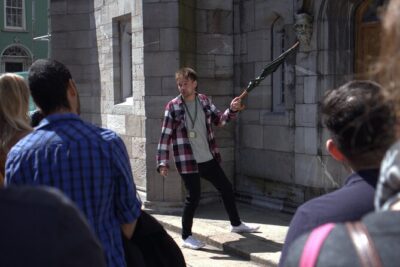
Dublin Highlights and Hidden Gems Guided Walking Tour
Read our review →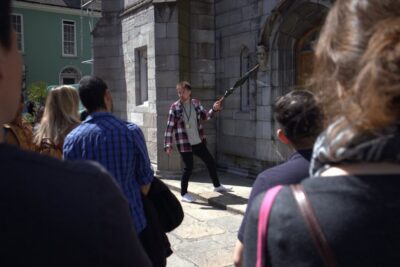
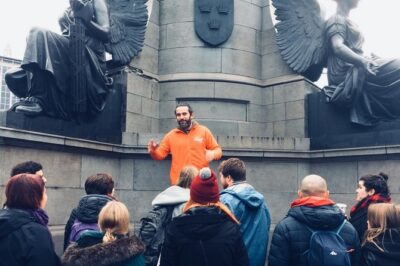
90 Minute Dublin Walking tour and Sightseeing tips
Read our review →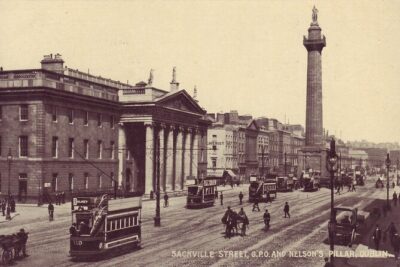

Dublin Traditional Irish 3 Course Meal Walking Tour with Local
Read our review →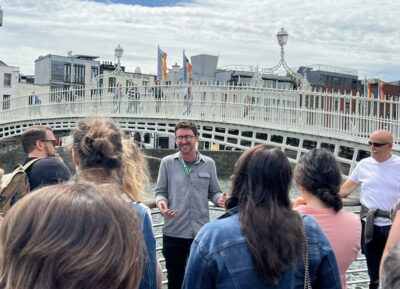
Browse the lists this tour appears in