

Reviewed · WALKING TOURS
Dublin (Dun Laoghaire) Top-Rated Coastal Walking Tour
Dublin’s coast gives you a very different day from the usual city-center circuit. This walk follows the shore from Dún Laoghaire to Dalkey, mixing sea views with railway history, medieval ruins, village life, and a climb up the James Joyce Tower. You get a strong sense of how Dublin lives beyond its grand streets and museums.
I like the easy DART meeting point and the way the tour ends at another station, so you do not need to retrace your steps. I also like the variety: one hour you may be hearing about Norman castles, and the next you are watching swimmers at Sandycove or looking for seals near Bulloch Harbour.
The main thing to consider is the amount of walking. The tour lasts about three and a half hours, and some people recorded roughly 10,000 steps or around two and a half hours on foot. Wear proper walking shoes, bring water, and do not plan a tight appointment immediately afterward.
In This Review
- Key points at a glance
- Why this coastal walk is different from central Dublin
- Starting at Dún Laoghaire Harbour
- People’s Park and the Sunday market
- The Metals and Dún Laoghaire’s railway story
- Coastal villages, beaches, and cold-water swimmers
- Climbing the James Joyce Tower
- Bulloch Harbour and the chance to see seals
- Bulloch Castle and Dalkey’s medieval remains
- Finishing in Dalkey
- How much walking should you expect?
- Price, group size, and what you receive
- Who will enjoy this tour most?
- Booking and weather details
- Should you book the Dún Laoghaire coastal walk?
- FAQ
- Where does the tour start?
- Where does the tour finish?
- How long does the tour last?
- How much walking is involved?
- Is admission to the James Joyce Tower included?
- Is the James Joyce Tower open every day?
- Are train fares included?
- Is food included?
- What is the maximum group size?
- Can I cancel for a refund?
Key points at a glance
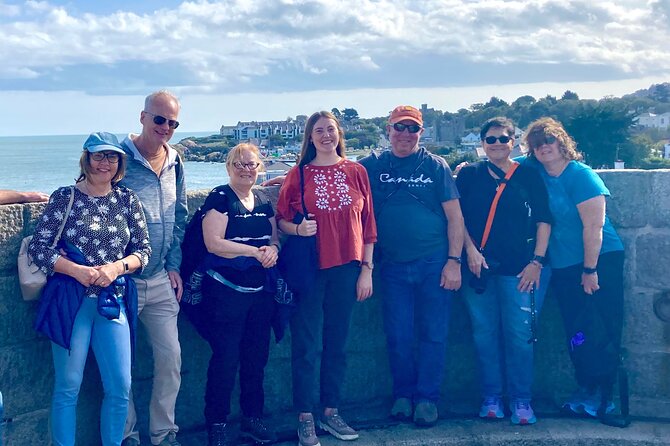
- Dún Laoghaire to Dalkey route: Walk between two coastal towns and finish at a DART station with easy onward transport.
- Marina Boyle as guide: Expect local stories, practical Dublin suggestions, and a personal connection to the area.
- James Joyce Tower entry included: Climb the spiral staircase for broad views over the coast.
- Seals and sea swimming: Bulloch Harbour may bring seal sightings, while Sandycove offers a look at one of Dublin’s famous swimming points.
- Small-group format: The maximum group size is 20, making it more personal than a large coach outing.
- Sunday market option: The People’s Park receives extra attention on Sundays when its farmers market is operating.
Why this coastal walk is different from central Dublin
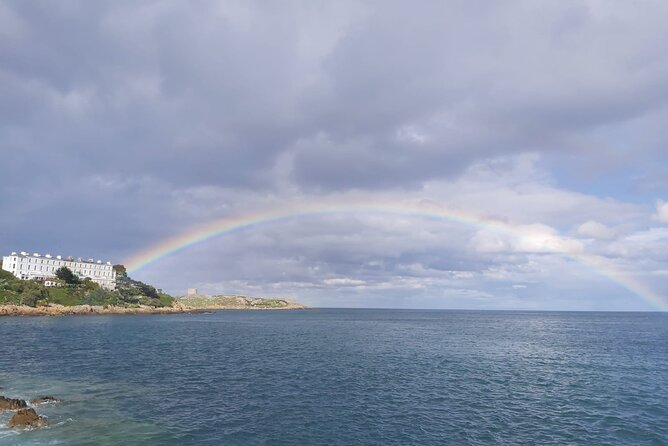
If you have already seen the main sights in central Dublin, this is a smart change of pace. The route takes you through Dún Laoghaire, Sandycove, Bulloch, and Dalkey, places that feel connected to Dublin but have their own character.
The appeal is not simply the coastline. You get a close look at ordinary public spaces, residential lanes, village centers, old harbors, and railway routes. The result feels less like checking off monuments and more like learning how the city reaches into its coastal suburbs.
Marina Boyle leads the walk. Her approach, based on the details of the experience, combines local knowledge with practical guidance. She has helped people with train tickets, adjusted the pace for groups, and offered suggestions for food, nightlife, and other Dublin sights.
That matters on a walking tour. A guide can point out a castle, but a local guide can also explain why a harbor still matters, where people swim in cold weather, and how the towns connect by rail. Marina’s personal pride in the area is one of the strongest features of the day.
More walking tours in Dublin:
- Dublin Highlights and Hidden Gems Guided Walking Tour
★ 5.0 · 6,020 reviews - Dublin: Highlights and Hidden Gems Walking Tour
★ 4.9 · 2,140 reviews - 1916 Rebellion Walking Tour
★ 5.0 · 1,605 reviews
Starting at Dún Laoghaire Harbour
The meeting point is at 1 Harbour Road, close to the DART station and the cruise port. This is useful if you arrive by ship or are staying elsewhere in Dublin and want a simple rail connection to the coast.
The tour begins with Dún Laoghaire Harbour and its piers. You hear about the harbor’s past and its role in Dublin’s maritime life. The opening stop is short, about 10 minutes, but it gives you the setting for the rest of the walk.
Take a moment to look across the water before the group moves on. The harbor is not just a backdrop for photographs. It helps explain why this part of Dublin developed as a port and why the railway made the coastal towns more closely linked with the capital.
The maritime museum is another early point of interest. You hear about it from outside rather than making a full museum visit. That distinction is worth noting if you want indoor exhibits. The tour uses the building as a doorway into Dublin’s seafaring past, but museum admission is not part of the experience.
People’s Park and the Sunday market
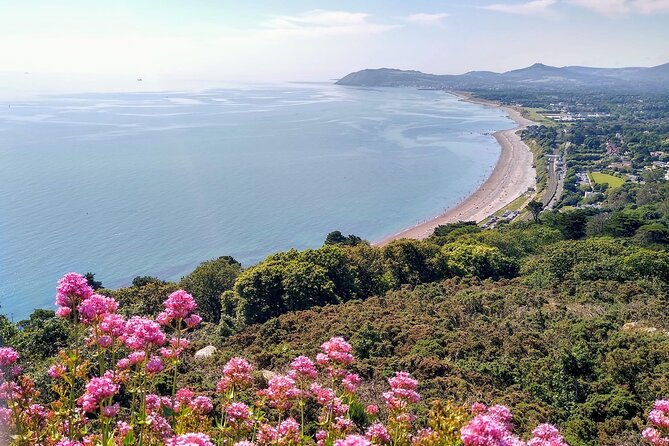
People’s Park provides a short break from the waterfront. It is a local green space, and the usual stop lasts about 10 minutes.
On Sundays, the tour spends more time here to explore the farmers market. That can make Sunday the best day for people who enjoy food stalls and a little local atmosphere. Snacks are not included, so you should bring money if you want to buy something at the market.
The park also gives the group a natural place to pause. This is important because the route is long, even though the pace is described as relaxed and steady. Several rest points appear along the way, so the walk is not a race from one sight to the next.
The Metals and Dún Laoghaire’s railway story
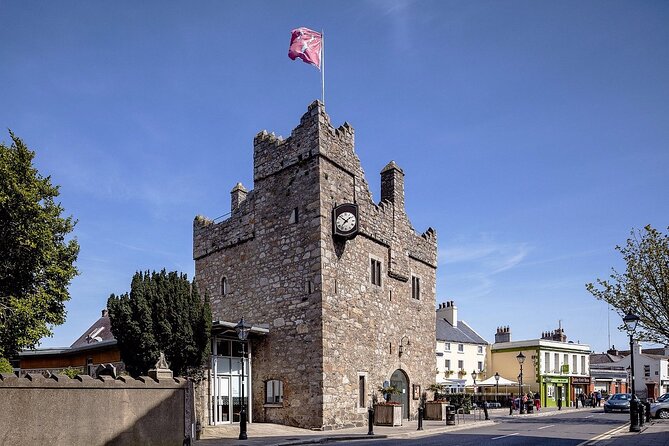
From the park, the route passes through The Metals, a historic laneway tied to the railway. This is a brief stop of about five minutes, but it adds a useful layer to the walk.
Rather than treating the railway as a simple way to arrive and leave, the tour explains how it shaped Dún Laoghaire. You get a sense of the infrastructure behind the coastal towns, including the routes used to move people and goods.
This is one of the tour’s quieter pleasures. The well-known sights are easy to photograph, but lanes such as The Metals help connect the larger story to the streets beneath your feet.
A different side of Dublin on the same trip:
- Dublin to Cliffs of Moher, including Wild Atlantic Way and Galway
★ 5.0 · 23,331 reviews - From Dublin: Cliffs of Moher, Burren & Galway City Day Tour
★ 4.8 · 18,888 reviews - Dublin: Guinness Storehouse Entry Ticket
★ 4.6 · 16,863 reviews - Dublin to Cliffs of Moher, Burren, Wild Atlantic Way, Galway Tour
★ 5.0 · 12,924 reviews
Coastal villages, beaches, and cold-water swimmers
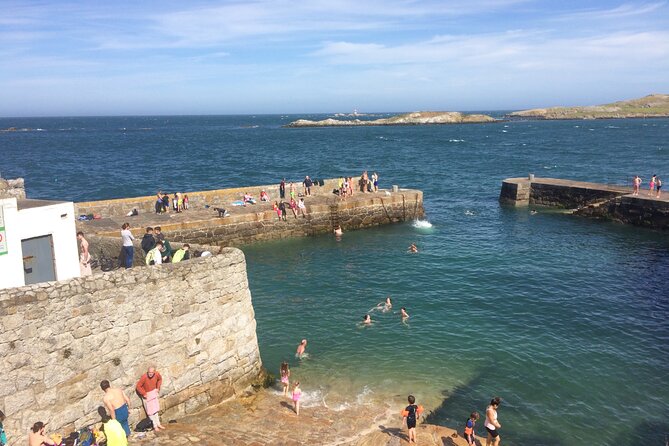
The route then moves through a typical Irish village and along the coast. The exact appeal here is the change of scale. You are no longer looking only at a harbor or a formal monument. You are seeing shops, lanes, homes, beaches, and the places where local life happens.
One of the memorable stops is a famous Dublin swimming point. The water can look inviting, but the conditions may be brisk, even in weather that feels cool and windy. The area is known for people who swim in cold water, and the tour uses that habit to explain something distinctive about local culture.
You might find this part especially entertaining if you like seeing how people use a place rather than only hearing its official story. Families with children can also appreciate the variety, although parents should be prepared for a full walking outing rather than a short sightseeing stroll.
The coastal paths are generally manageable, but some sections are uneven. Trainers or other supportive walking shoes are a sensible choice. Flip-flops are a poor fit for the route.
Climbing the James Joyce Tower
The James Joyce Tower and Museum is the most substantial indoor stop. Admission is included, and the visit takes about 20 minutes.
You enter the museum, hear about its connection to Joyce, and climb the spiral staircase to the rooftop viewing point. The climb is part of the experience, not an optional detail. One account specifically highlights the stairs as a memorable part of the day, so anyone uncomfortable with tight stairways should keep that in mind.
The reward is the view. From the top, you can see the coast from a higher angle and understand the shape of the route you have been walking. It is also a welcome change from ground-level walking.
The museum is closed on Mondays, according to the tour information, so the full interior visit is not available then. The walk still includes the tower area and the surrounding sights, but Monday bookings should not expect the same museum access.
Bulloch Harbour and the chance to see seals
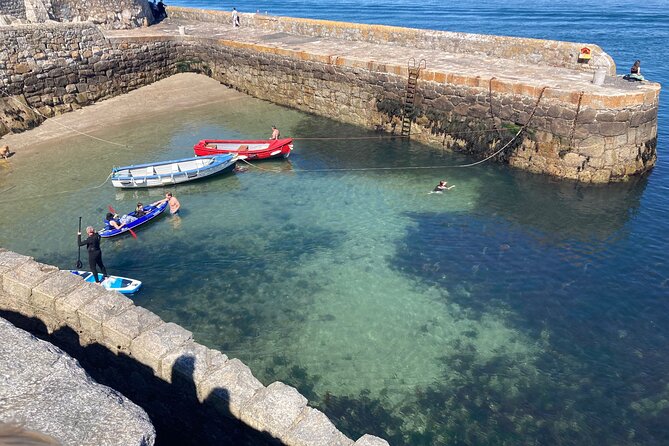
Bulloch Harbour is another short stop, around 10 minutes. The guide explains its industrial past and how the harbor is used today.
This is one of the places where the tour feels especially grounded in local life. You are looking at a working coastal setting, not just a preserved monument. The mix of old industry and present-day use helps explain why the shoreline remains important.
Seals are often seen in the water or resting on the rocks near the harbor. This is a possibility, not a guarantee, so treat it as a pleasant extra rather than the reason to book. Bring binoculars if you already carry them, but there is no need to pack special equipment.
Bulloch Castle and Dalkey’s medieval remains
At Bulloch Castle, you see a medieval ruin and learn about Dalkey’s former network of castles. Dalkey once had seven castles, and the route allows you to see three of them in some form.
The stop at Bulloch Castle is short, about five minutes. That means you will not receive a long archaeological visit or an extended exploration inside a preserved fortress. Instead, the castle works as one chapter in a larger story about medieval Dalkey and the Norman presence in the area.
The route also includes a view and explanation of another castle with a heritage center. The walk does not treat each site as an isolated attraction. It shows how a compact coastal village once needed several fortified buildings and how those remains still shape the streets today.
This is a good example of the tour’s balance. You get older history, but you also get beaches, trains, markets, and modern village life. People who want a detailed castle tour may find the stops brief. People who prefer several types of sight in one outing will likely appreciate the variety.
Finishing in Dalkey
Dalkey is the final town on foot and the place where the tour ends. It is known as one of Dublin’s more affluent villages, and the guide discusses its Viking past along with places to eat and go out at night.
Ending here works well. You have time to stop for lunch, coffee, ice cream, or a drink at your own cost. The town gives you a pleasant choice: stay for a while, or take the DART back toward Dublin, Dún Laoghaire, or another station.
The finish at Dalkey DART station is one of the most practical features of the trip. You are not left at an unfamiliar road junction, and you do not need to arrange a private transfer. The train fare is separate, and you should budget for it.
One useful detail from the experience is that Marina has helped people use the ticket machine when a ticket office was closed. That kind of assistance can make the end of a walking tour much easier, especially if you are returning to a cruise ship or catching a train into the city.
How much walking should you expect?
The advertised duration is about three hours and 30 minutes. In practice, you should allow closer to four hours if you want time for questions, photographs, the museum visit, and a possible stop at the end.
The walking itself may total roughly two and a half hours, with short pauses at the harbor, park, tower, castle, and village points. One person counted about 10,000 steps. That gives you a more useful picture than the duration alone.
The pace is described as comfortable and steady, and there are places to rest. Still, this is not a gentle city stroll with frequent transport breaks. You will cover real ground between Dún Laoghaire and Dalkey.
I would choose this tour if you can walk for several hours without trouble. If you have limited mobility, ask specific questions before booking, since uneven paths, the tower staircase, and the total distance may affect your comfort. Service animals are allowed, and most people can participate according to the tour information.
Price, group size, and what you receive
The price is $114.65 per person. That is not a low-cost walking tour, so value depends on how much structure and local guidance you want.
The fee includes the guide, all listed fees and taxes, and admission to the James Joyce Tower and Museum. It does not include snacks, train fare, or transport to the meeting point. Food at the Sunday market and any lunch or refreshments in Dalkey are also your responsibility.
For the price, you are paying for a half-day route with several distinct stops, a local guide, museum entry, and help with the practical details of moving between coastal towns. If you were already planning to visit Dún Laoghaire, Dalkey, and the tower independently, you could spend less by using public transport and walking on your own.
The tradeoff is interpretation. Marina connects the harbor, railway, castles, villages, literature, and local customs into one route. The group size is capped at 20, which should keep the walk more manageable than a large coach excursion, though it is still a group tour rather than a private outing.
Who will enjoy this tour most?
I would recommend it most strongly to people who have already seen central Dublin or who want to avoid spending another day among the city’s main sights. It also suits cruise passengers, since the starting point is a short walk from the port and the end has a direct rail connection.
It is a good match for:
- People who enjoy local history without wanting a full museum day
- Visitors who want sea views and villages in the same outing
- Families who can manage a long walk
- Solo visitors who like meeting a small group
- Anyone interested in James Joyce, railways, castles, or Irish coastal life
- Visitors who want suggestions for food and other Dublin activities
You may want another option if you dislike walking, need a full meal during the tour, or prefer a detailed indoor museum experience. The tour does not include snacks, and one practical concern is that you may not eat until after the walk unless you have breakfast or carry something with you.
Booking and weather details
Confirmation is sent within 48 hours of booking, subject to availability. The tour requires a minimum number of participants, and poor weather can also lead to cancellation. In either case, you are offered another date or experience, or a full refund.
You can cancel for a full refund up to 24 hours before the start time. Changes or cancellations made inside that 24-hour window are not accepted for a refund.
Because the route is outdoors, check the forecast and dress for wind and rain. The information does not specify clothing or equipment, but supportive shoes are clearly more useful than open sandals. Bring water, and consider carrying a small snack if you do not want to wait until Dalkey.
Should you book the Dún Laoghaire coastal walk?
Book it if you want Dublin to feel like a place people live, work, swim, travel through, and remember, not just a list of central attractions. The combination of Dún Laoghaire Harbour, The Metals, Sandycove, the James Joyce Tower, Bulloch Harbour, castle ruins, and Dalkey gives you a full picture in one morning or afternoon.
The strongest reasons to choose it are Marina Boyle’s personal guiding style, the easy DART connections, the included tower visit, and the range of scenery and stories. The main caution is simple: you must be ready for a long walk and pay separately for the train and food.
For cruise passengers and repeat Dublin visitors, this is a particularly useful choice. For first-time visitors with only one short day in the city, compare it with central Dublin’s major sights before committing. If the coast, villages, and local stories sound more appealing than another indoor attraction, this tour earns its place on your schedule.
FAQ
Where does the tour start?
The tour starts at 1 Harbour Road in Dún Laoghaire, Dublin, near the DART station.
Where does the tour finish?
The walk finishes at Dalkey DART station. From there, you can take the train to central Dublin, Dún Laoghaire, or another DART station.
How long does the tour last?
The planned duration is approximately three hours and 30 minutes. You should allow extra time if you want a relaxed finish.
How much walking is involved?
The route involves substantial walking. Some descriptions place the walking time at about two and a half hours, with roughly 10,000 steps possible.
Is admission to the James Joyce Tower included?
Yes. Admission to the James Joyce Tower and Museum is included, along with the opportunity to climb the spiral staircase to the rooftop viewing point.
Is the James Joyce Tower open every day?
The museum is closed on Mondays, so Monday tours do not include the same interior visit.
Are train fares included?
No. Train fare is not included in the tour price. You pay separately for the DART journey from Dalkey or any other train travel.
Is food included?
No. Snacks are not included. On Sundays, the tour spends extra time at the farmers market in People’s Park, where you can buy items at your own cost.
What is the maximum group size?
The tour has a maximum of 20 participants.
Can I cancel for a refund?
Yes. You can cancel at least 24 hours before the start time for a full refund. Poor weather or failure to meet the minimum number of participants may also result in an alternative date, another experience, or a full refund.
Just added around Dublin
- Dublin: Pub Tour. Pour The Perfect Guinness, Whiskey & Music★ 5.0 · 3 reviews
- A Self Guided Walking Tour of Dublin’s Docklands★ 4.5 · 3 reviews
- Private Dublin City tour★ 5.0 · 3 reviews
- Dublin One Day Tour with a Local: 100% Personalized & Private★ 4.5 · 3 reviews
- Waterford Crystal and Kilkenny Full-Day Rail Tour from Dublin★ 5.0 · 3 reviews
- Secret and unusual Dublin: guided walking tour★ 5.0 · 3 reviews
- 5 Day Ireland’s South−East Including Admission from Dublin★ 4.5 · 3 reviews
- Turtle Bunbury’s Dublin: A Self-Guided Audio Tour from a Celebrated Author★ 5.0 · 3 reviews
Walking Tours, compared.
Dublin Highlights and Hidden Gems Guided Walking Tour
Read our review →
90 Minute Dublin Walking tour and Sightseeing tips
Read our review →

Dublin Traditional Irish 3 Course Meal Walking Tour with Local
Read our review →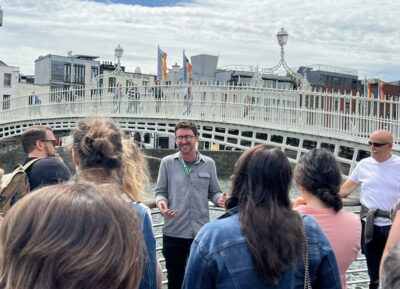

Browse the lists this tour appears in