
Reviewed · DUBLIN
Kildare: Irish National Stud & Gardens
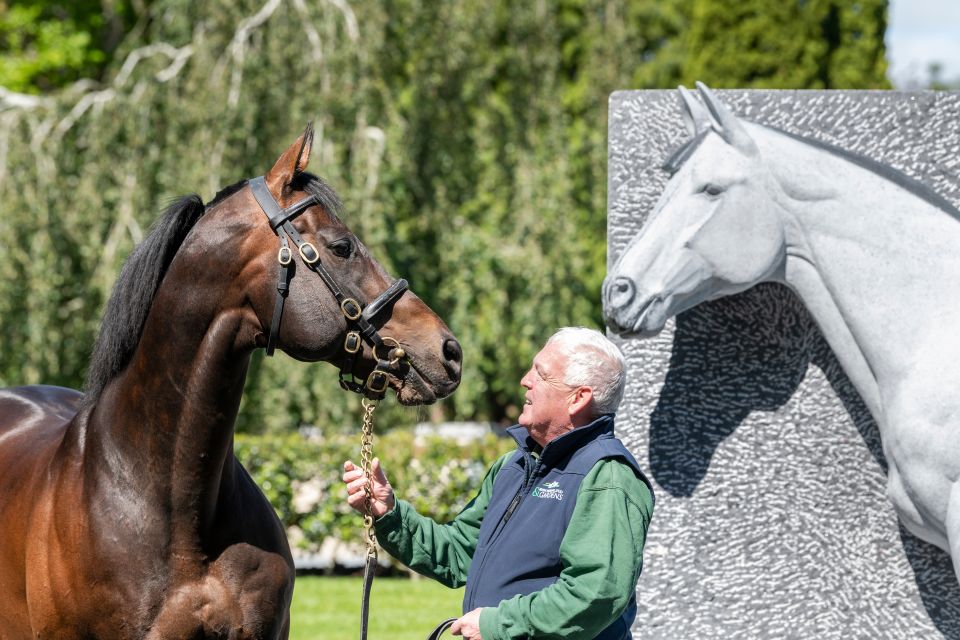
The Irish National Stud is not just a garden visit with a few horses added on. It is a working thoroughbred breeding farm where you can see stallions, mares, and foals up close, then follow a racehorse from birth to retirement through an excellent interactive exhibit. Hurricane Fly and other retired champions add a real sense of occasion.
I like the mix of serious horse breeding and peaceful garden time. The Japanese Gardens are beautifully laid out, while St Fiachra’s Garden gives you a strong connection to Ireland’s native plants and wildlife. The main drawback is timing: the racehorse exhibit and public tours run to set schedules, and from October there are fewer horses on the grounds.
In This Review
- Key points at a glance
- Why this Kildare horse farm is worth your time
- Start with the Irish Racehorse Experience
- Join the public tour through the stud
- Meet the Living Legends of Irish racing
- Walk the Japanese Gardens and the Life of Man
- Find Ireland in St Fiachra’s Garden
- How to plan your day without missing the best parts
- Who will enjoy this experience most
- Price, timing, and practical details
- Should you book the Irish National Stud?
- FAQ
- Where is the Irish National Stud and Gardens?
- How much does admission cost?
- What does the ticket include?
- How long does the experience last?
- What time does the Irish Racehorse Experience open?
- What are the public tour times?
- What is the last entry time?
- Can children visit the Irish Racehorse Experience?
- Is the site wheelchair accessible?
- When is the best time to visit?
Key points at a glance
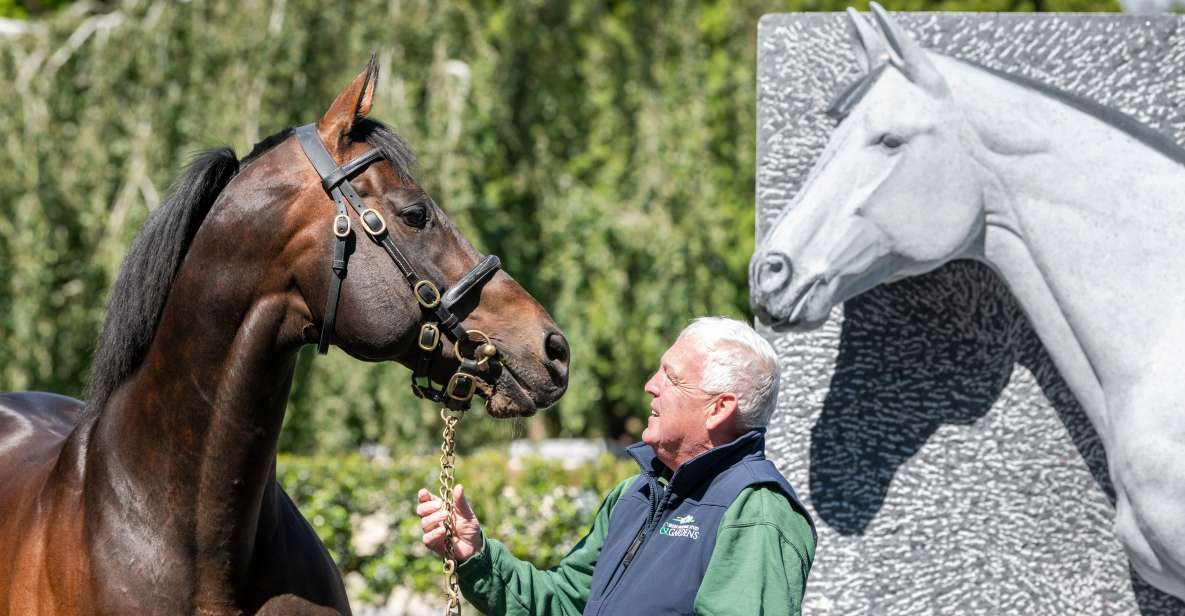
- Meet retired racing stars: See Hurricane Fly, Beef, Salmon, and Faugheen in the Living Legends area.
- Watch the breeding operation: The public tour leads past stallions, protective mares, and playful foals.
- Follow the Life of Man: The Japanese Gardens trace a symbolic journey from birth through death and beyond.
- Race your own horse: The Irish Racehorse Experience lets you buy a yearling, choose training options, and ride a simulated race.
- Allow most of a day: The gardens, tour, horse areas, and interactive exhibit deserve more than a quick stop.
- Plan around the season: February through September offers the best chance of seeing plenty of stock on the farm.
Why this Kildare horse farm is worth your time
County Kildare is closely tied to Irish horse breeding and racing, and the Irish National Stud gives you a rare chance to see that world without needing access to a private farm. The setting covers 850 acres of rolling green ground, with formal gardens, paddocks, farm buildings, and viewing areas arranged across the site.
At $22 per person, this is good value if you use the full ticket. You are paying for entry to the stud, the two gardens, the public tour, and the Irish Racehorse Experience. A quick walk through one garden would not justify the price on its own, but a guided horse tour followed by the interactive exhibit and both gardens can fill most of a day.
I would plan on at least three hours, and longer if you enjoy gardens or horse racing. One visitor needed about 40 minutes for the racehorse exhibit alone and still had to leave it early to reach the public tour. That is a useful warning: do not treat the tour times as a minor detail.
The site is about 40 minutes outside Dublin, making it practical as a day trip or as a stop while touring County Kildare. The ticket is wheelchair accessible, though the grounds and outdoor areas mean you should still allow extra time between sections.
More Kildare and Irish National Stud visits:
- Irish National Stud & Gardens Skip the line Entrance
★ 4.5 · 106 reviews - Kildare: Clonfert Farm General Admission Ticket
★ 4.8 · 5 reviews - Private Transfer from Kildare to Dublin (All Areas)
★ 4.5 · 4 reviews
Start with the Irish Racehorse Experience
If you arrive before your tour, begin with the Irish Racehorse Experience. It is open from 11 a.m. to 4 p.m., and you need to be at least seven years old unless accompanied by an adult.
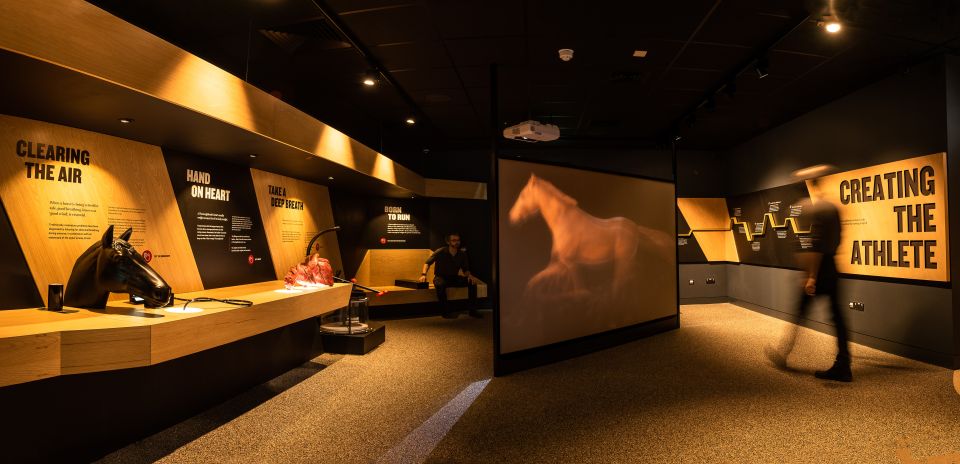
The exhibit gives you a cardboard horse box that turns the visit into a small ownership game. You follow your chosen horse from foaling and its early years through the selection of an unbroken yearling, training, racing, and retirement.
The auction section is one of the best parts. You get to make a purchase decision, then see how the horse develops through a series of well-designed rooms. The exhibit explains racecourses, jockeys, training, and the anatomy and physiology of the thoroughbred. This gives useful context before you meet the real horses outside.
The race-day section adds fashion, betting, animated commentary, and a simulated ride. You can watch your horse compete and then take part in the riding simulation to see how your investment performs. It is playful, but it also explains how many decisions and risks sit behind a racehorse’s public image.
I especially like that the experience does not stop at the finish line. The final Living Legend room looks out through floor-to-ceiling windows toward retired horses in their paddock. It explains what happens after racing and follows the movement of famous horses and people around the world.
Families with older children should get plenty from this exhibit. Younger children may enjoy the animated race, but the age restriction matters, and the subject matter is more rewarding when you can follow the breeding and training story.
Join the public tour through the stud

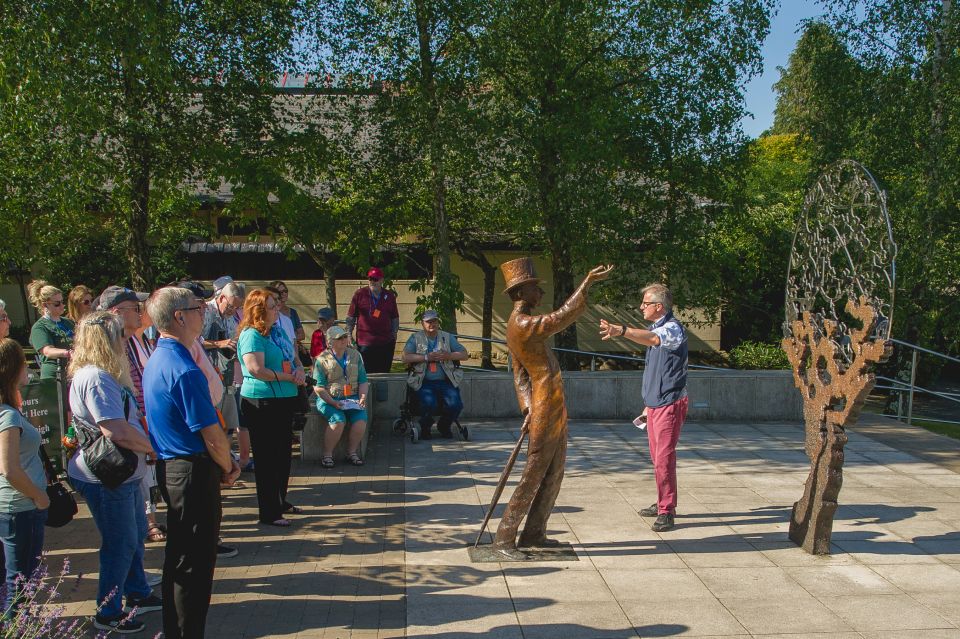
The free public tour is the heart of the visit. The guide takes you through the stud areas and explains how the farm works, including the role of breeding and the steps used when selecting a future stallion.
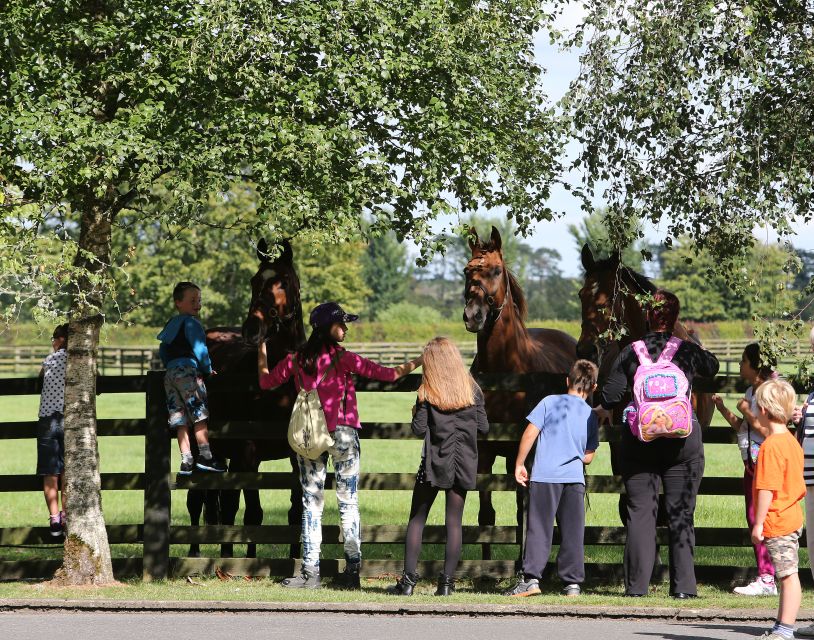
The tour lasts just over an hour, according to the available timing information, so it is not a quick introduction. You will see immaculately bred stallions, then move to the mares and foals. The contrast is appealing: the stallions have the presence and power of racing animals, while the mares and their young bring movement and warmth to the visit.
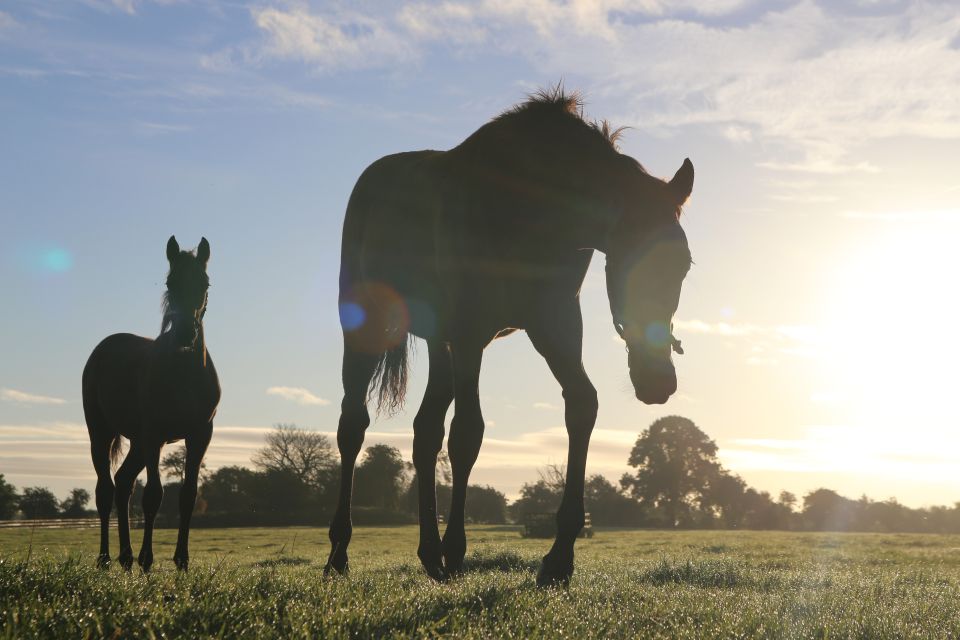
Foaling season makes the experience especially lively. You may see foals moving beside their mothers and protective mares keeping close watch. The stock on the grounds changes during the year, so February through September is the better window. From October onward, the stud winds down and there may be fewer horses to see.
The quality of the guide can shape this part of the day. Sue has been praised for making the tour informative and enjoyable, while Amanda has given particularly engaging talks about the horses and the stud. If you are interested in how the farm earns income, selects breeding stock, and develops a potential stallion, listen closely during this section.
The tour schedule changes with the season:
- Regular times are 10:30 a.m., noon, 2 p.m., and 4 p.m.
- During the summer months, tours may also run at 1 p.m. and 3 p.m.
- From October, the times are 11 a.m. and 2 p.m.
Check the current schedule before setting out. The last entry to the site is 5 p.m., but arriving late can leave you with too little time for the exhibit or a scheduled tour.
Meet the Living Legends of Irish racing
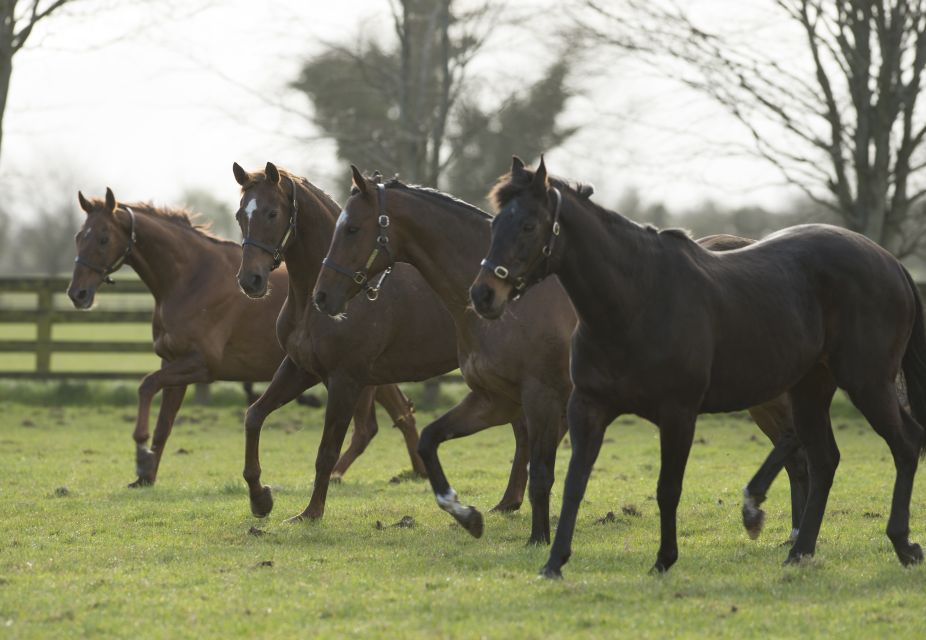
The Living Legends area gives the visit a personal connection to racing history. Instead of only seeing breeding stock, you can meet retired champions including Hurricane Fly, Beef, Salmon, and Faugheen.
These horses are no longer competing, but their presence helps explain the full arc of a racing career. You see them at the quieter end of their lives, grazing in the paddock rather than thundering toward a finish line. That change of pace is part of the appeal.
The Living Legend room also looks over the retired horses through large windows. It explains life after racing and the wider story of where famous horses and people go after their time in Ireland. I find this more satisfying than a display of trophies alone because it keeps the focus on the animals.
You should not expect a guaranteed close encounter with every named horse. The information describes paddock viewing, not a hands-on meeting, and the animals’ position will naturally vary. Still, seeing retired champions in a calm, well-kept setting is a strong reason for racing fans to include this stop.
A different side of Dublin on the same trip:
- Dublin to Cliffs of Moher, including Wild Atlantic Way and Galway
★ 5.0 · 23,331 reviews - From Dublin: Cliffs of Moher, Burren & Galway City Day Tour
★ 4.8 · 18,888 reviews - Dublin: Guinness Storehouse Entry Ticket
★ 4.6 · 16,863 reviews - Dublin to Cliffs of Moher, Burren, Wild Atlantic Way, Galway Tour
★ 5.0 · 12,924 reviews
Walk the Japanese Gardens and the Life of Man
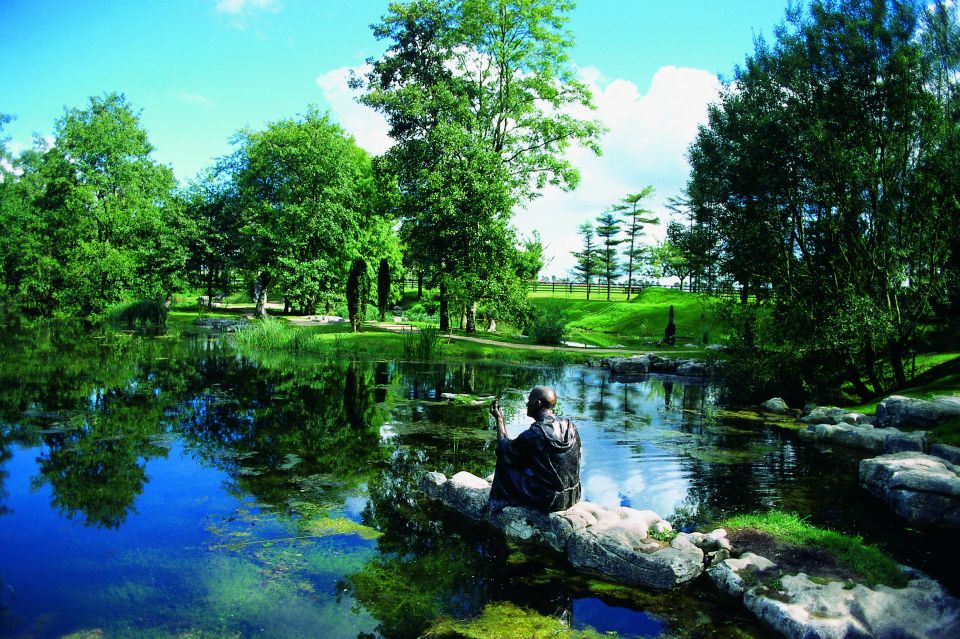
The Japanese Gardens offer a complete change of mood after the horse areas. Paths lead through an oasis of ponds, planting, stonework, and carefully arranged views. The centerpiece is the Life of Man route, which traces the passage of a soul from birth to death and beyond.
You do not need to know much about Japanese garden design to appreciate the sequence. The path gives your walk a clear rhythm, with each stage offering a different view and feeling. It is a place to slow down after the information-heavy tour and racehorse exhibit.
The gardens are well maintained, and they reward unhurried walking. If you rush through after the tour, you will miss much of what makes them special. Allow time to pause rather than simply following the path to the exit.
Rain does not necessarily ruin the visit. One family enjoyed the experience despite rain coming and going, and the gardens still formed a worthwhile part of the day. You should bring suitable clothing, though the information provided does not specify covered walkways or weather protection.
Find Ireland in St Fiachra’s Garden
St Fiachra’s Garden has a different purpose from the Japanese Gardens. Instead of tracing a symbolic spiritual journey, it celebrates the power of the Irish countryside through native species and local wildlife.
This garden feels more rooted in the country around you. It is a good place to look for birds, plants, and small signs of wildlife rather than only admiring formal design. I like visiting it after the Japanese Gardens because the two spaces give you distinct experiences instead of repeating the same style.
The gardens also help balance the horse-focused sections. If one member of your group cares little about racing, these paths provide a reason to enjoy the visit. The setting is calm and spacious, and the grounds give you room to set your own pace.
How to plan your day without missing the best parts
The simplest plan is to arrive before a public tour, complete the racehorse exhibit, join the tour, and finish with the gardens. In practice, you should reverse the first two parts if your arrival is close to a tour time.
The interactive exhibit needs about 40 minutes for a proper visit. Add more time if you want to watch every section and complete the simulated race. A rushed exhibit followed by a rushed tour is the least satisfying way to use the ticket.
A practical order looks like this:
- Arrive in time for the Irish Racehorse Experience, remembering that it opens at 11 a.m.
- Allow about 40 minutes before your chosen public tour.
- Join the guided tour of stallions, mares, and foals.
- Visit the Living Legends area and its viewing room.
- Walk the Japanese Gardens at an easy pace.
- Finish at St Fiachra’s Garden and allow time for native wildlife and plants.
The public tour is free once you have paid admission, but it is still the section that controls your day. During summer, the extra tour times make planning easier. In October, the two daily departures give you less flexibility, and the farm has fewer animals on site.
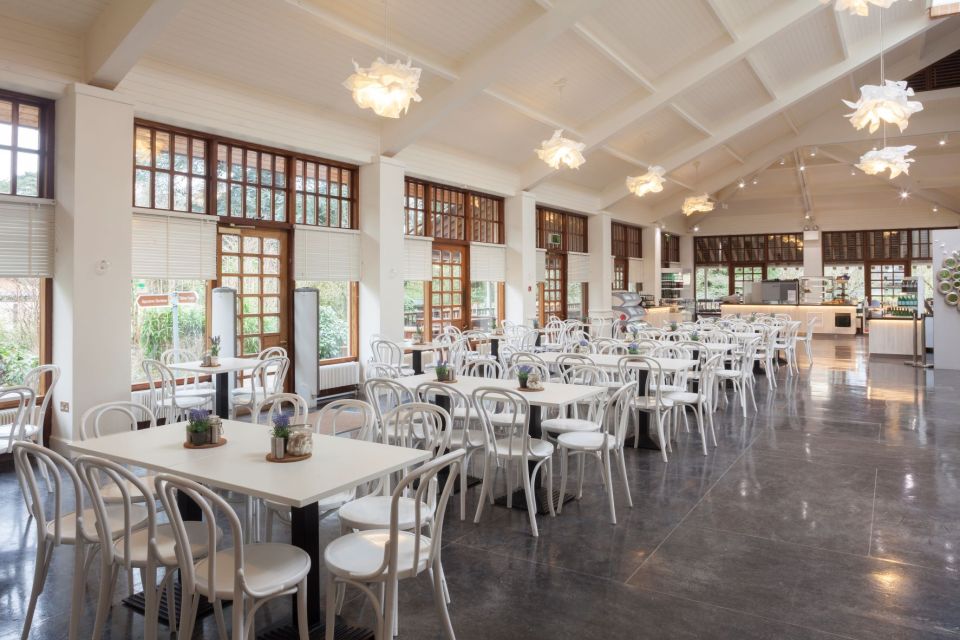
There is also a restaurant at the gardens. A meal can make the stop feel like a full day out rather than a short attraction visit. The available information describes the restaurant positively, but it does not give current menu details or opening hours, so check before relying on it.
Who will enjoy this experience most
Horse lovers will get the obvious reward: breeding stock, foals, retired champions, and a clear explanation of racing from birth to retirement. The interactive auction and simulated race add fun even if you have never placed a bet.
Families with children aged seven and older should also consider it. The racehorse exhibit gives younger visitors something active to do, while the foals and gardens keep the day from feeling like a museum visit. Adults need to accompany children under the stated age limit.
Garden lovers have enough here to justify the trip even without a strong interest in racing. The Japanese Gardens are the more distinctive attraction, while St Fiachra’s Garden gives you native Irish character and wildlife.
I would be less enthusiastic if you have only an hour available. The attraction works because its parts build on one another. With a short visit, you might see a few paddocks and one garden, but you would miss the public tour or the racehorse exhibit.
The site also suits anyone looking for a slower break from Dublin sightseeing. It is not an adrenaline-filled activity. Its pleasures come from watching horses, listening to a guide, following garden paths, and understanding a specialist part of Irish life.
Price, timing, and practical details
The admission price is $22 per person. That includes the stud, gardens, Irish Racehorse Experience, and public tour, so the value is strongest when you spend several hours on site.
You can cancel up to 24 hours ahead for a full refund, and a reserve-now, pay-later option is available. These policies help if your Dublin plans depend on weather or changing transport arrangements.
The experience is listed as lasting one day, but that refers to the validity of the visit rather than a fixed guided program running all day. You choose from the available entry and tour times, then set your own pace around the grounds.
Wheelchair access is available. Since the site includes gardens, paddocks, and outdoor paths, check the current conditions if you need very specific route information.
The best season is February through September. From October, breeding activity begins to wind down and there is limited stock on the grounds. That does not remove the value of the gardens or racehorse exhibit, but it can make the horse-viewing portion less rewarding.
Should you book the Irish National Stud?
Book it if you want a well-rounded County Kildare outing with real horses, thoughtful gardens, and a strong indoor exhibit. I especially recommend it to families with older children, racing fans, garden lovers, and anyone who wants to see a less polished and more working side of Irish culture.
Choose a summer date if seeing mares and foals is your main goal. Arrive early enough for the 40-minute racehorse exhibit and reserve your place around a public tour, especially outside the summer season.
Skip it if you only have a brief stop or have no interest in gardens, animals, or horse racing. For everyone else, the $22 ticket buys enough variety to make this a satisfying day near Dublin, with the Japanese Gardens and Living Legends providing the strongest reasons to stay awhile.
FAQ
Where is the Irish National Stud and Gardens?
It is in County Kildare, about 40 minutes outside Dublin.
How much does admission cost?
The stated price is $22 per person.
What does the ticket include?
Admission includes the stud, the Japanese and St Fiachra’s gardens, the Irish Racehorse Experience, and the public tour.
How long does the experience last?
The ticket is described as a one-day experience. You should allow several hours if you want time for the racehorse exhibit, public tour, Living Legends, and both gardens.
What time does the Irish Racehorse Experience open?
It opens from 11 a.m. to 4 p.m.
What are the public tour times?
Regular public tours are at 10:30 a.m., noon, 2 p.m., and 4 p.m. Summer may add tours at 1 p.m. and 3 p.m. From October, tours are at 11 a.m. and 2 p.m.
What is the last entry time?
The last entry is at 5 p.m.
Can children visit the Irish Racehorse Experience?
Children under seven cannot use the Irish Racehorse Experience unless accompanied by an adult.
Is the site wheelchair accessible?
Yes, the experience is listed as wheelchair accessible.
When is the best time to visit?
February through September is the best period for seeing more stock on the grounds. From October, the stud begins to wind down and there is limited stock.
Just added around Dublin
- Dublin: Pub Tour. Pour The Perfect Guinness, Whiskey & Music★ 5.0 · 3 reviews
- A Self Guided Walking Tour of Dublin’s Docklands★ 4.5 · 3 reviews
- Private Dublin City tour★ 5.0 · 3 reviews
- Dublin One Day Tour with a Local: 100% Personalized & Private★ 4.5 · 3 reviews
- Waterford Crystal and Kilkenny Full-Day Rail Tour from Dublin★ 5.0 · 3 reviews
- Secret and unusual Dublin: guided walking tour★ 5.0 · 3 reviews
- 5 Day Ireland’s South−East Including Admission from Dublin★ 4.5 · 3 reviews
- Turtle Bunbury’s Dublin: A Self-Guided Audio Tour from a Celebrated Author★ 5.0 · 3 reviews