
Reviewed · SKIP THE LINE
Irish National Stud & Gardens Skip the line Entrance
The Irish National Stud gives you a rare look at a working thoroughbred breeding farm that also welcomes the public. You can meet stallions, mares, foals, and retired champions such as Hurricane Fly, Beef or Salmon, and Faugheen, then shift from horse racing to peaceful garden paths.
I like the mix of live horses and hands-on displays, and I like that your ticket covers the guided stud tour, the Irish Racehorse Experience, and two very different gardens. The main thing to consider is that horse numbers and activity can vary, so you might find empty stables or fewer animals than expected on a quiet day.
In This Review
- Key points to know before you go
- Meeting Ireland’s racehorses up close
- What happens on the guided stud tour
- The Living Legends and three famous names
- The Irish Racehorse Experience
- The Japanese Gardens deserve unhurried time
- St Fiachra’s Garden adds a Celtic note
- How much time should you allow?
- Reaching the stud from Dublin or Kildare
- Is the $22.98 admission good value?
- Who will enjoy this experience most?
- Small details that make the visit smoother
- Should you book the Irish National Stud?
- FAQ
- Where is the Irish National Stud & Gardens?
- How long does the visit take?
- What does the admission ticket include?
- Which horses can I see?
- Can I reach the stud by public transportation?
- Can I cancel for a full refund?
Key points to know before you go
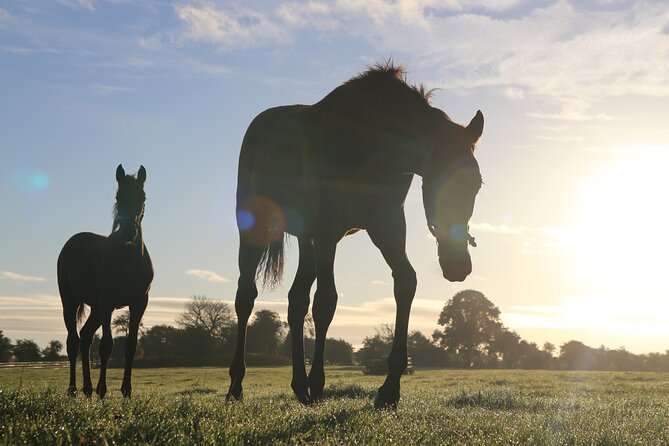
- Retired champions have a starring role: Look for Hurricane Fly, Beef or Salmon, and Faugheen in the Living Legends team.
- The guided tour adds useful context: You learn about breeding, the stud’s past, and the work behind racehorses.
- The Japanese Gardens are a major highlight: Allow time to walk slowly through this carefully arranged garden.
- The Irish Racehorse Experience changes the pace: Interactive displays explain racing and breeding in a more accessible way.
- The site is close to Dublin but not central: It takes about 40 minutes by car, while Kildare train station is roughly three miles away with no bus connection.
- Plan for a flexible visit: The full experience can take anywhere from 1 to 7 hours, depending on how much time you give the gardens and exhibits.
Meeting Ireland’s racehorses up close
The Irish National Stud is not simply a museum with old saddles and framed photographs. It is a thoroughbred breeding farm where you can see horses in a setting connected to their daily care and breeding work.
That distinction matters. You are not looking at racing as a distant sport. You are seeing the animals at the center of it, along with the places where stallions, mares, and foals are cared for. The stud began producing racehorses in the early 1900s and has helped create some of Europe’s finest runners.
The experience is set across 850 acres of rolling green ground. You will not see every acre, of course, but the scale helps explain why this feels like a proper farm rather than a compact animal attraction. The open setting also gives the visit a calm rhythm. You can follow the tour, then slow down in the gardens or spend more time with the exhibits.
For anyone interested in horses, breeding, or racing, this is the heart of the visit. If you are not a racing fan, the gardens and Irish Racehorse Experience give you other good reasons to come.
More Kildare and Irish National Stud visits:
- Kildare: Irish National Stud & Gardens
★ 4.6 · 58 reviews - Kildare: Clonfert Farm General Admission Ticket
★ 4.8 · 5 reviews - Private Transfer from Kildare to Dublin (All Areas)
★ 4.5 · 4 reviews
What happens on the guided stud tour
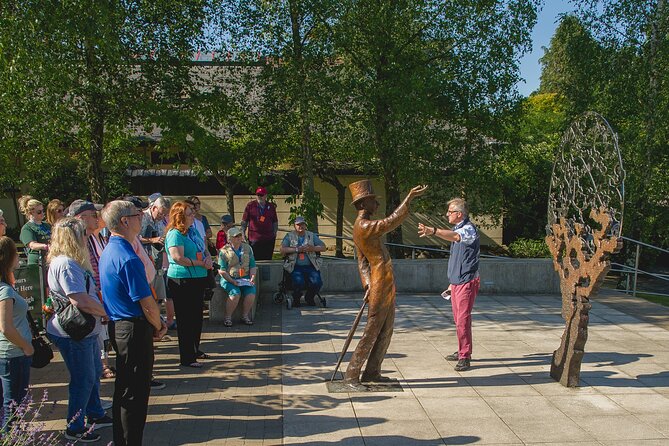
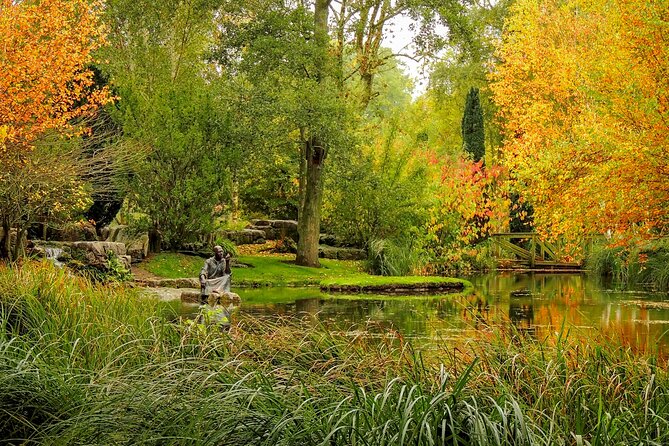
The public tour takes you around the stud with a guide. The guide explains the breeding process and the history of the farm while introducing you to stallions, mares, and foals.
That human explanation is important. Horses can be impressive to see, but without context, you may not understand why a particular animal matters or how the breeding side of the operation works. The tour helps connect the animals, the buildings, and the stud’s role in Irish racing.
The best tours are engaging and clear, and the young guide described in the supplied information was praised for making the visit both educational and enjoyable. You should expect a proper guided walk rather than a quick introduction at the entrance.
Still, keep expectations sensible. Animal sightings are not fully predictable. One account described a pleasant walk in good weather but found few horses visible and several empty stables. That is the main weakness of a working stud visit: the farm operates around the animals’ needs, not around a visitor timetable.
I would treat the public tour as a chance to understand the stud, not a promise that every stable will be full. If you want the best chance of seeing horses, give yourself enough time to take the tour and revisit areas at your own pace.
The Living Legends and three famous names
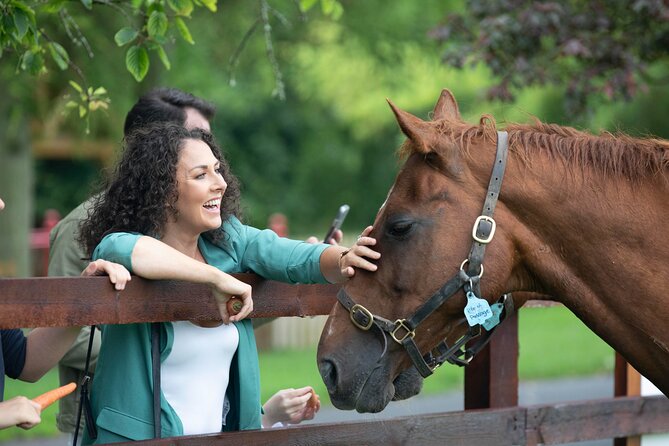
The retired racing stars are one of the most appealing parts of the visit. The Living Legends team includes Hurricane Fly, Beef or Salmon, and Faugheen.
These are not just anonymous retired horses. Their presence gives the farm a direct link to major racing careers, and it makes the story of the stud easier to grasp. You can look at the horses themselves while learning how their working lives differ from the later years spent at the National Stud.
Hurricane Fly is particularly memorable for anyone who follows Irish racing. Beef or Salmon and Faugheen add to the sense that you are seeing animals with real sporting records, not simply attractive thoroughbreds selected for display.
You should not expect a performance or a staged encounter. The appeal is quieter. You see the horses and learn about their place in the stud’s world. That makes this part especially suitable for families, casual horse lovers, and anyone who wants a more personal connection with racing.
The experience may be less satisfying if your main aim is constant action. Some animals may be resting or out of view, and the visit is not designed like a show. The reward comes from the setting and the stories behind the horses.
The Irish Racehorse Experience
The Irish Racehorse Experience is the indoor, interactive part of the visit. It brings the world of thoroughbreds to life through activities and displays rather than relying only on a walking tour.
This is a useful addition because it gives you another way to understand the sport. The live horses show you the animals, while the interactive experience helps explain racing, breeding, and the forces that shape a racehorse’s life.
I especially like this kind of balance in a visit. You can listen to a guide, look closely at real horses, and then use an interactive activity to reinforce what you have learned. It also gives the experience more appeal for children and for adults who are curious but not already familiar with racing.
Make sure you include it rather than treating it as an optional extra. The supplied ticket includes the Irish Racehorse Experience, the public tour, and a guide. One practical comment described all three activities as the best way to use the admission, and that is sound advice.
The experience is also a helpful backup if the horses are quiet or less visible on the day. It cannot replace seeing the animals, but it means your visit does not depend entirely on what happens in the stables and paddocks.
A few more Dublin tours worth weighing up
- Dublin: Skip-the-Line Guinness and Jameson Whiskey Tour
★ 4.7 · 771 reviews - Skip the Line: The National Wax Museum Admission Ticket
★ 4.0 · 216 reviews - Skip the Line: Irish Night Show Including 4-Course Dinner Ticket
★ 4.5 · 216 reviews - Dublin: Skip-the-Line Little Museum of Dublin Ticket
★ 4.6 · 161 reviews
The Japanese Gardens deserve unhurried time
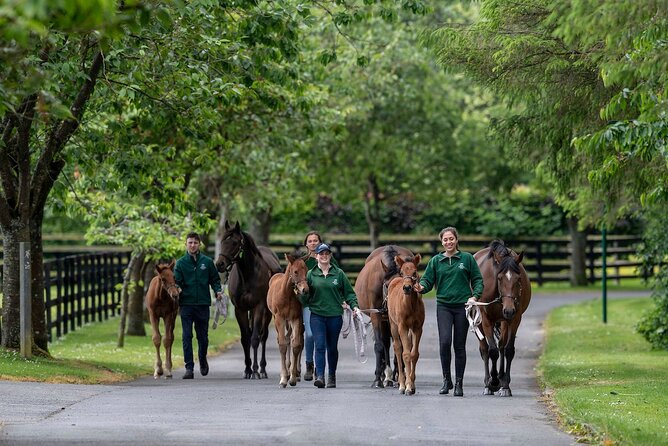
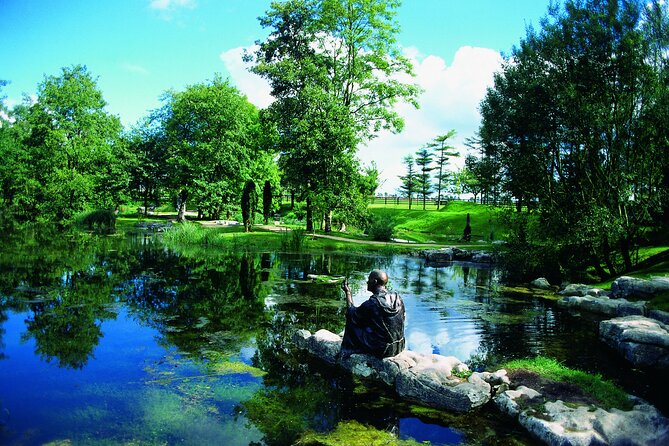
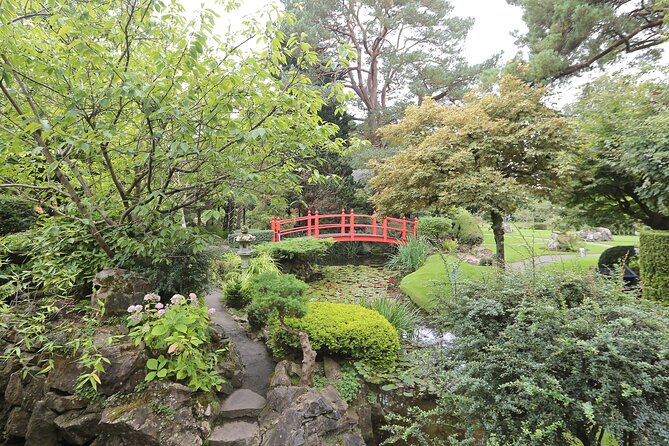
The Japanese Gardens are likely to be the strongest part of the visit for anyone who enjoys plants, design, and quiet walking. They offer a sharp change from the horse farm, with a more controlled and reflective setting.
Do not rush through them after the tour. The gardens reward a slower pace, and their value comes from the way the paths, planting, and spaces work together. You can use them as a peaceful pause after learning about breeding and racing.
The supplied information calls the Japanese Gardens stunning, and that praise is easy to understand from the role they play in the visit. They broaden the attraction beyond its equestrian focus. A companion who has little interest in racing can still find plenty to enjoy here.
The gardens are also one reason the visit can last much longer than an hour. If you simply walk through the main areas, you may finish quickly. If you pause, take in the details, and combine them with the tour and racehorse exhibit, the site becomes a fuller half-day outing.
Wear comfortable shoes for walking across the grounds. The attraction is spread over a large property, and the experience works best when you are not watching the clock.
St Fiachra’s Garden adds a Celtic note
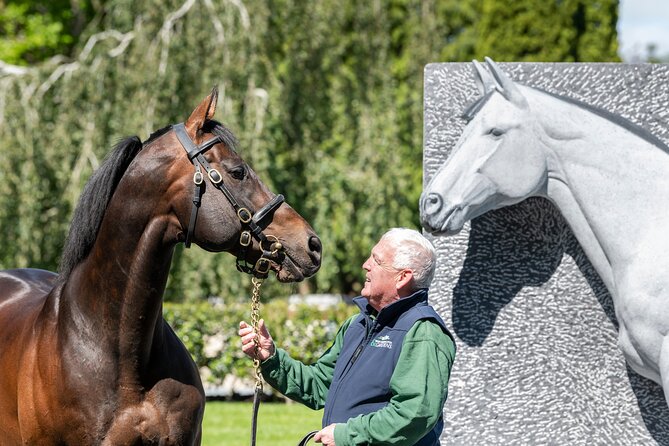
St Fiachra’s Garden provides a different garden experience from the Japanese Gardens. Together, the two areas give you a useful contrast: one follows Japanese garden traditions, while the other draws on Celtic themes.
That contrast makes the horticultural side feel more substantial than a single decorative garden attached to a horse farm. You can move from one design tradition to another, then return to the stud’s open green setting.
I would allow time for both. If you only visit the Japanese Gardens, you miss half of the garden story. St Fiachra’s Garden helps connect the attraction to Ireland’s own cultural and natural traditions, while the Japanese Gardens offer a more clearly formal design style.
The gardens also help pace the day. The guided tour asks you to listen and keep moving with the group. The garden sections let you set your own speed. You can linger, take photographs, or simply enjoy a quiet walk after the more structured parts of the visit.
How much time should you allow?
The stated visit length ranges from 1 to 7 hours, which is a wide spread but makes sense here. Your timing depends on whether you only want the main highlights or want to explore the property carefully.
Allow at least enough time for:
- The public stud tour
- The Irish Racehorse Experience
- The Japanese Gardens
- St Fiachra’s Garden
- A little extra time around the horses and grounds
An hour would feel rushed if you want to complete all three main activities and enjoy both gardens. A longer visit gives you a better chance to see the farm at a relaxed pace, particularly if horse sightings are limited at first.
The flexible duration suits different types of days. You can make this a short stop during a wider visit to County Kildare, or turn it into a substantial outing from Dublin. I would not arrive with a strict one-hour schedule unless you only want a quick look.
The experience is available in English, and the ticket is mobile. Skip-the-line entry can save time at the entrance, but it does not change the pace of the guided tour or guarantee that every horse will be visible.
Reaching the stud from Dublin or Kildare
The Irish National Stud is about 40 minutes from Dublin, making it a practical day trip if you have transport. Its distance from the city is also part of the appeal. You leave the urban setting behind and reach a broad farm property with gardens and animals.
Public transport requires more planning. From Kildare train station, there is no bus to the stud, and the attraction is about three miles away on foot. That walk may be manageable for some people, but it is an awkward choice if you are carrying bags, traveling with children, or hoping to arrive fresh for several hours of walking.
A taxi is the sensible solution from the station. One visitor paid €13 for the ride and happened to be driven by professional jockey Declan Shea, an unusual local connection that added to the journey. You should not count on that exact encounter, but the taxi option gives you a practical way to bridge the final distance.
Check your route before setting out. The experience itself is easy to understand, but the last leg from Kildare station needs attention.
Is the $22.98 admission good value?
At the listed price of $22.98 per person, the ticket offers reasonable value if you use everything included. You receive the public tour, a guide, the Irish Racehorse Experience, and entry to both gardens.
The value is strongest for people who plan to spend several hours at the stud. You are not paying only to look at horses from a short viewing area. You are getting a guided introduction to breeding, access to retired racing stars, an interactive attraction, and two garden settings.
The value is weaker if you are only interested in seeing a large number of horses. The number on view can vary, and some stables may be empty. In that case, the gardens and racehorse exhibit become important parts of what you paid for.
I would consider the ticket a good buy for horse lovers, families, garden fans, and anyone looking for an outing outside Dublin. It is less compelling for someone with very limited time who wants a guaranteed, action-filled animal encounter.
The admission also compares well with the range of experiences offered in one place. You get education, live animals, famous retired racehorses, and garden walking without needing separate tickets for each main section.
Who will enjoy this experience most?
You are likely to enjoy the Irish National Stud most if you fit one or more of these descriptions:
- You follow horse racing or want to understand how thoroughbred breeding works.
- You enjoy gardens and prefer attractions with room to walk at your own pace.
- You are traveling with children who need a mix of animals and interactive activities.
- You want a quieter day outside central Dublin.
- You appreciate guided visits but also want time to explore independently.
You may want to reconsider if you need guaranteed close views of many horses or have only a short gap in your schedule. The stud is a working farm, so the animal side can be quieter than expected.
I also recommend it for companions with different interests. A racing enthusiast can focus on the horses and breeding story, while a garden lover can spend more time in the Japanese and St Fiachra’s Gardens. That shared variety is one of the attraction’s best features.
Small details that make the visit smoother
Bring a phone with enough battery for the mobile ticket. The ticket is accepted on a mobile device, so you do not need a printed copy based on the provided details.
Plan around walking rather than treating this as a quick indoor attraction. You will want time for the public tour, the gardens, and the interactive experience, and the grounds cover a broad area.
Service animals are allowed, and the experience is near public transportation, though the missing bus link from Kildare station is worth remembering. Most people can participate, but anyone concerned about walking should plan carefully because the visit includes outdoor grounds and garden paths.
The cancellation terms are generous if your plans are uncertain. You can receive a full refund if you cancel at least 24 hours before the start time. Changes or cancellations inside that window are not accepted for a refund.
Should you book the Irish National Stud?
Book it if you want more than a quick horse sighting. The combination of a guided stud tour, retired champions, an interactive racehorse exhibit, and two gardens gives you a varied and worthwhile outing.
I would make the booking especially confidently if the Japanese Gardens appeal to you or if someone in your group follows racing. Those interests help balance the occasional quiet stable or limited horse visibility.
Skip it if your schedule is very tight, you dislike walking, or you expect a staged animal show with constant activity. For everyone else, the $22.98 ticket offers a pleasant look at an important part of Irish horse culture, with enough garden time to make the visit work even when the horses are having a quiet day.
FAQ
Where is the Irish National Stud & Gardens?
The stud is located about 40 minutes from Dublin in County Kildare. It is also about three miles from Kildare train station.
How long does the visit take?
The experience can take approximately 1 to 7 hours. Your timing depends on how long you spend on the guided tour, the Irish Racehorse Experience, the two gardens, and the wider grounds.
What does the admission ticket include?
The ticket includes the Irish Racehorse Experience, the public tour, and a guide. It also includes access to the Japanese Gardens and St Fiachra’s Garden as part of the attraction visit.
Which horses can I see?
The stud has stallions, mares, foals, and retired racing stars in its Living Legends team. The named retired champions include Hurricane Fly, Beef or Salmon, and Faugheen.
Can I reach the stud by public transportation?
The attraction is near public transportation, but there is no bus from Kildare train station to the stud. The station is about three miles away, so a taxi is a practical option for the final section.
Can I cancel for a full refund?
Yes. You can cancel at least 24 hours before the experience start time for a full refund. Cancellations or changes made less than 24 hours before the start time are not accepted for a refund.
Just added around Dublin
- Dublin: Pub Tour. Pour The Perfect Guinness, Whiskey & Music★ 5.0 · 3 reviews
- A Self Guided Walking Tour of Dublin’s Docklands★ 4.5 · 3 reviews
- Private Dublin City tour★ 5.0 · 3 reviews
- Dublin One Day Tour with a Local: 100% Personalized & Private★ 4.5 · 3 reviews
- Waterford Crystal and Kilkenny Full-Day Rail Tour from Dublin★ 5.0 · 3 reviews
- Secret and unusual Dublin: guided walking tour★ 5.0 · 3 reviews
- 5 Day Ireland’s South−East Including Admission from Dublin★ 4.5 · 3 reviews
- Turtle Bunbury’s Dublin: A Self-Guided Audio Tour from a Celebrated Author★ 5.0 · 3 reviews
Skip the Line, compared.

Skip-the-Line Guinness and Jameson Whiskey Tour
Read our review →
Skip the Line: The National Wax Museum Admission Ticket
Read our review →
Skip the Line: Irish Night Show Including 4-Course Dinner Ticket
Read our review →

Skip-the-line Book of Kells & Old Town Private Tour
Read our review →
Skip-the-line St. Patrick’s Cathedral and Dublin City Tour
Read our review →Browse the lists this tour appears in