
Reviewed · BOYNE VALLEY & NEWGRANGE TOURS
From Dublin: Celtic Boyne Valley and Ancient Sites Tour
The most striking part of this Celtic Boyne Valley tour is its range. In one long day, you move from 5,000-year-old burial chambers to an Iron Age royal site, a medieval castle, a ruined abbey, and a working distillery. It gives you a useful sweep of Irish history without asking you to arrange several separate day trips.
I like the mix of famous and quieter stops, especially Loughcrew Cairns and Fore Abbey. I also like the guides’ role in connecting the sites to the countryside around them. Flann, Alec, Jonathan, Brendan, and David are among the guides praised for clear stories, good humor, and strong local knowledge.
The main drawback is the pace. Ten hours is a long day, and several stops involve walking or climbing, with a notably steep hill up to Loughcrew. The $74 price is fair, but lunch and entry to Trim Castle are extra, so budget for those before you book.
In This Review
- Key points at a glance
- Why the Boyne Valley makes a strong day trip from Dublin
- Hill of Tara, where royal stories begin
- Trim Castle and the medieval shift
- Loughcrew Cairns and the steep climb
- Fore Distillery and a useful lunch break
- Fore Abbey and the final look at Ireland’s monastic past
- The guides are a major part of the value
- Is $74 a fair price?
- How to prepare for the 10-hour outing
- Who should book this Boyne Valley tour?
- Should you book it?
- FAQ
- Where does the tour start and finish?
- How long does the tour last?
- Is lunch included?
- Is entry to Trim Castle included?
- What language is the tour conducted in?
- What should I bring?
Key points at a glance
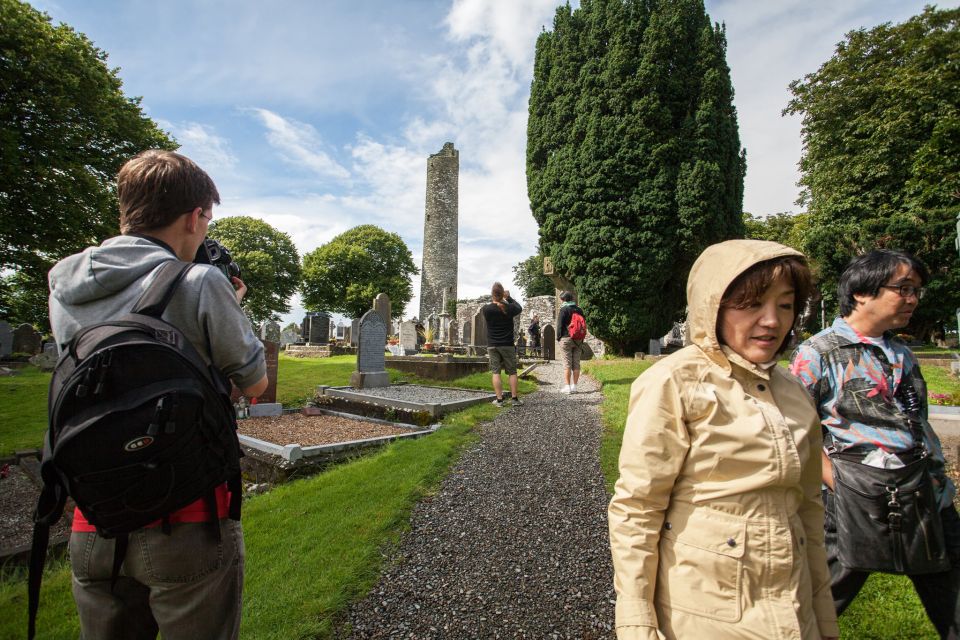
- Five very different historic sites: See Neolithic tombs, Tara’s royal hill, Trim’s Norman fortress, Fore Abbey, and a craft distillery in one day.
- Loughcrew requires a steep climb: Wear proper shoes and bring a rain jacket, even when Dublin starts out sunny.
- Trim Castle entry costs extra: The castle stop is included, but the admission fee is not.
- The guides shape the day: Flann, Alec, Jonathan, Brendan, and David have all been praised for stories, humor, and smooth timing.
- Fore Distillery adds a local pause: You get a guided tasting, with lunch available at the Barrel & Bean Café for an additional charge.
- Transport is simple: The tour leaves from the Molly Malone statue on Suffolk Street and returns there after about 10 hours.
Why the Boyne Valley makes a strong day trip from Dublin
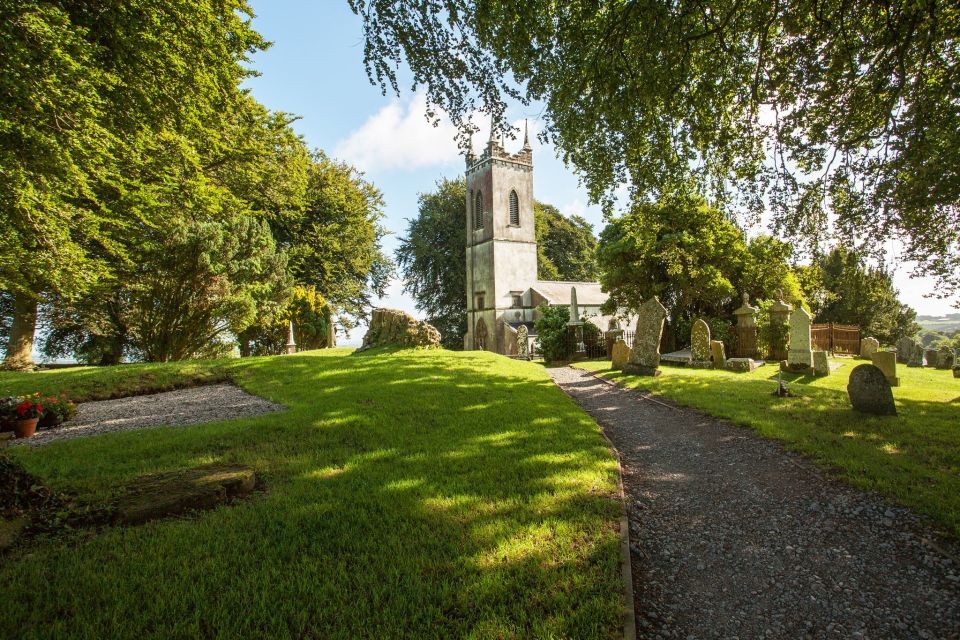
County Meath is close enough to Dublin for a day trip, yet it quickly feels rural. The road out gives you views of farms and open countryside, while your guide fills in the gaps with stories about Ireland’s kings, saints, invasions, and old religious centers.
The Boyne Valley matters because several different periods of Irish life are gathered in one area. Loughcrew reaches back more than 5,000 years. Tara links to the High Kings. Trim shows the power of the Anglo-Normans after their arrival in Ireland. Fore brings you into the early Christian period.
I find this useful if you want context rather than a single monument. You are not simply looking at old stones. You can compare how burial, kingship, defense, and religion shaped the same part of Ireland over thousands of years.
The group leaves from the Molly Malone statue outside the old stone church on Suffolk Street, Dublin 2. Arrive at least 10 minutes early. The coach has air conditioning, Wi-Fi, USB ports, and a driver-guide, which matters on a full day with several road stretches.
More Boyne Valley and Newgrange visits:
- Celtic Boyne Valley & Ancient Sites Day Tour From Dublin
★ 4.5 · 865 reviews - Dublin: Boyne Valley with Newgrange and Bru Na Boinne Entry
★ 4.7 · 635 reviews - Dublin to Newgrange, Monasterboice Small Group Guided Tours
★ 4.5 · 500 reviews
Hill of Tara, where royal stories begin
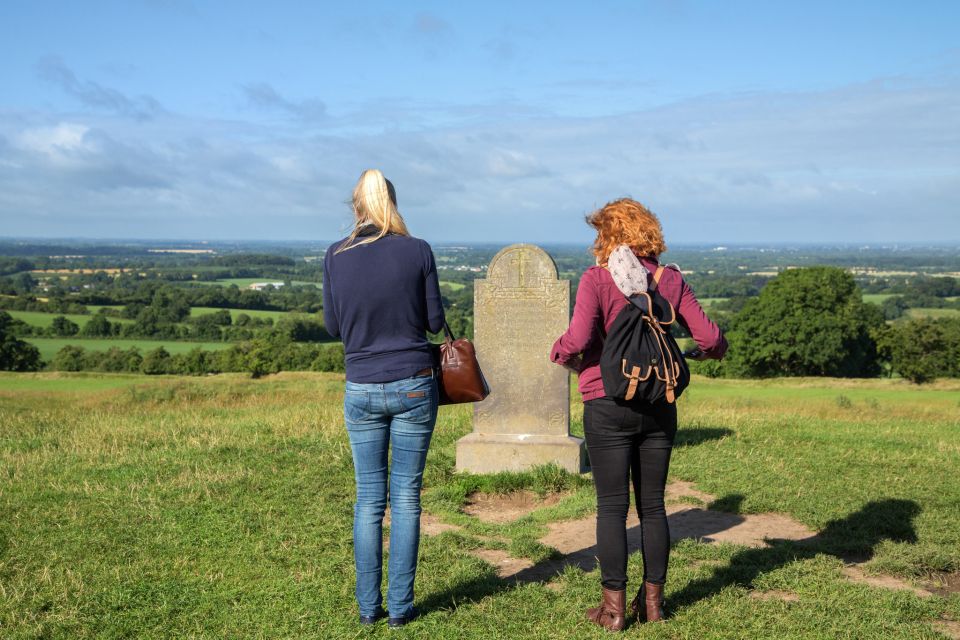
The first major stop is the Hill of Tara, with about an hour for a guided visit and time for photographs. This is one of the most important symbolic sites in the tour. Tara was connected with the High Kings of Ireland and served as a sacred and political center long before the medieval castles you see later in the day.
You will see the Coronation Stone and the An Forradh monument, along with broad views across Meath. The site is open and grassy rather than built up, so the guide’s explanation does much of the work. A good guide helps you understand how the hill functioned and separates old tradition from later storytelling.
This is also your first chance to see how weather affects the day. The top is exposed, and the breeze can feel sharp even when Dublin is mild. Bring a warm layer and rain gear. Sunglasses are useful too, since Irish weather can change quickly.
I like Tara as an opening stop because it gives the rest of the day a framework. You begin with kingship and ceremony, then later see the military power of Trim and the spiritual life of Fore.
Trim Castle and the medieval shift
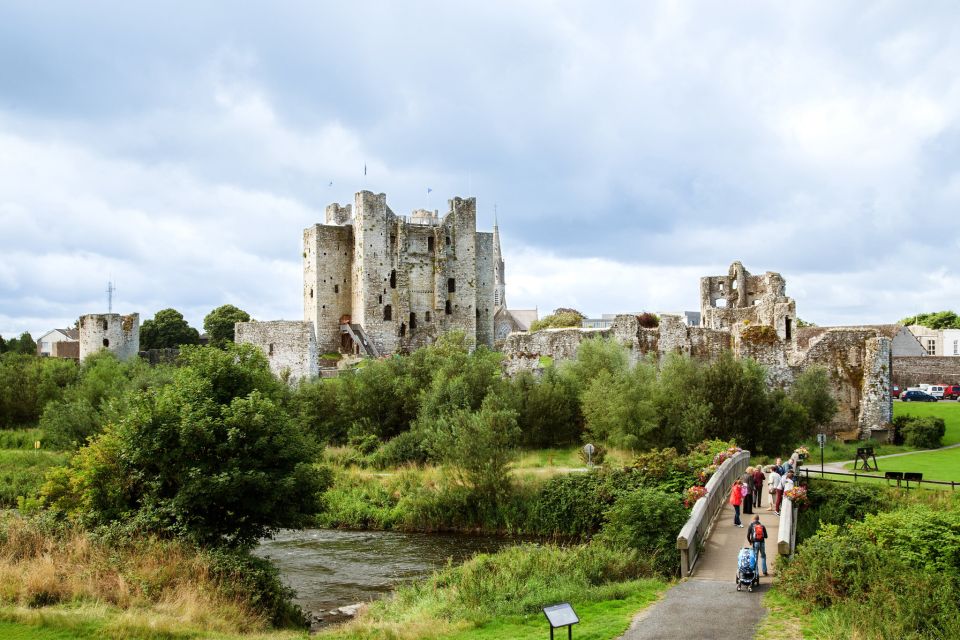
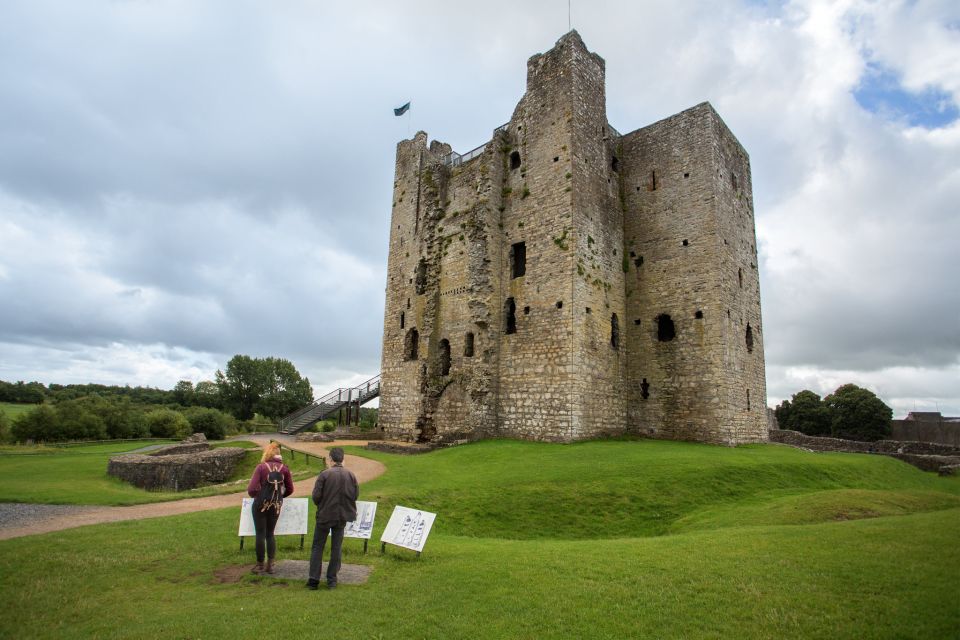
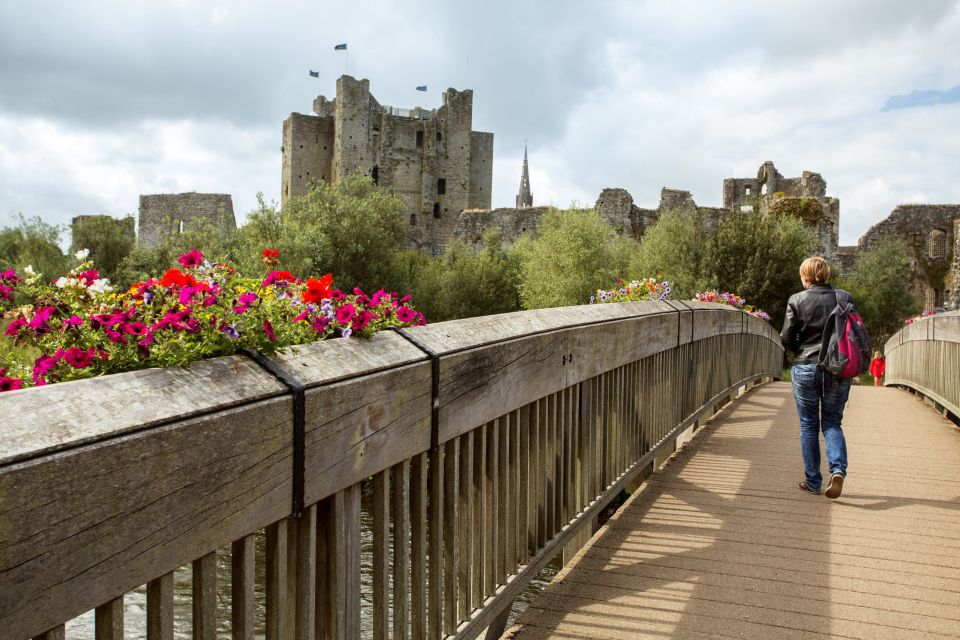
Trim Castle follows Tara, with roughly 70 minutes at the site. It is Ireland’s largest Anglo-Norman castle, and its huge three-story keep is hard to miss. The walls, towers, gardens, and open grounds give you a strong sense of scale that a smaller ruin cannot provide.
The castle dates to the 13th century and has a more defensive, practical feel than Tara’s grassy hill. Here, the story changes from legendary kings to Norman control, fortified settlements, and medieval power. Your guide provides an overview and leaves time for photographs and personal exploring.
One point deserves careful attention: Trim Castle admission is not included in the $74 tour price. The stop itself is part of the route, but you should check the current entry arrangement when booking and set aside extra money if you want to go inside.
Even without the interior visit, the castle grounds offer plenty to see. If entering is important to you, do not assume it is covered by the advertised fare. This is the sort of small detail that can affect the value calculation.
Trim is one of the day’s strongest stops for anyone who enjoys architecture. It also gives you a visual break from open hills and stone tombs. Bring your camera, but leave enough time to listen before wandering off. The guides are often at their best here, explaining what you are seeing in a way that makes the massive walls easier to read.
Loughcrew Cairns and the steep climb
Loughcrew is the most physically demanding stop. You have about 70 minutes to visit the Neolithic passage tombs, but reaching the site includes a very steep climb. Several people specifically noted this point, so take it seriously if hills are difficult for you.
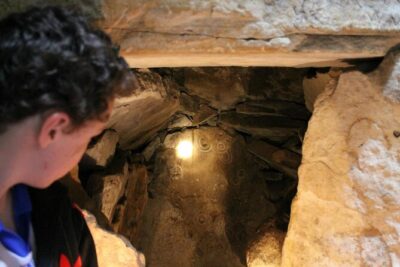
The tombs are more than 5,000 years old, making them older than the pyramids at Giza. Inside, the passage tombs contain carved rock art. The stones connect the site to people who lived thousands of years before written Irish records, and that great age is what makes the stop so powerful.
The experience is less polished than a major urban attraction. You are walking outdoors, climbing a hill, and dealing with Irish weather. That is part of the appeal, but it also means comfortable shoes are essential. Pack a snack and water, since the day has several stops and lunch is not included.
Loughcrew rewards patience. Take a moment to look closely at the carvings rather than treating the tomb as a quick photo stop. The guide will provide the basic setting, then you can spend time noticing the stonework and the view from the high ground.
For me, this is where the tour feels most connected to ancient Ireland. Tara is tied to royal tradition, and Trim is a clear medieval monument. Loughcrew is quieter and harder to reach, but it gives you direct contact with a much older past.
A different side of Dublin on the same trip:
- Dublin to Cliffs of Moher, including Wild Atlantic Way and Galway
★ 5.0 · 23,331 reviews - From Dublin: Cliffs of Moher, Burren & Galway City Day Tour
★ 4.8 · 18,888 reviews - Dublin: Guinness Storehouse Entry Ticket
★ 4.6 · 16,863 reviews - Dublin to Cliffs of Moher, Burren, Wild Atlantic Way, Galway Tour
★ 5.0 · 12,924 reviews
Fore Distillery and a useful lunch break
After the ancient sites, the tour turns to Fore Distillery for about 30 minutes. You get a guided tasting of crafted spirits and a look at the place’s distilling story. The stop adds a modern, local element to a day otherwise focused on ruins and old monuments.
A lunch option is available at the Barrel & Bean Café, but it costs extra. Some guides organize the meal for the group, which can make the break easier, but you should not depend on lunch being included in the ticket price. Bring snacks in case the timing or menu does not suit you.
The distillery is a good reset after Loughcrew. You can sit down, warm up, and enjoy something social before the final historic site. The tasting is part of the guided visit, so this is not simply a quick restroom stop.
If you do not drink alcohol, check the tasting arrangements before booking. The tour is built around a spirits visit, though the broader day still has plenty to offer beyond it.
I like the contrast here. Ireland’s past is not only found in abandoned stonework. Small-scale food and drink production gives you a sense of present-day rural enterprise, and the family-run feel described by the guide accounts adds warmth to the stop.
Fore Abbey and the final look at Ireland’s monastic past
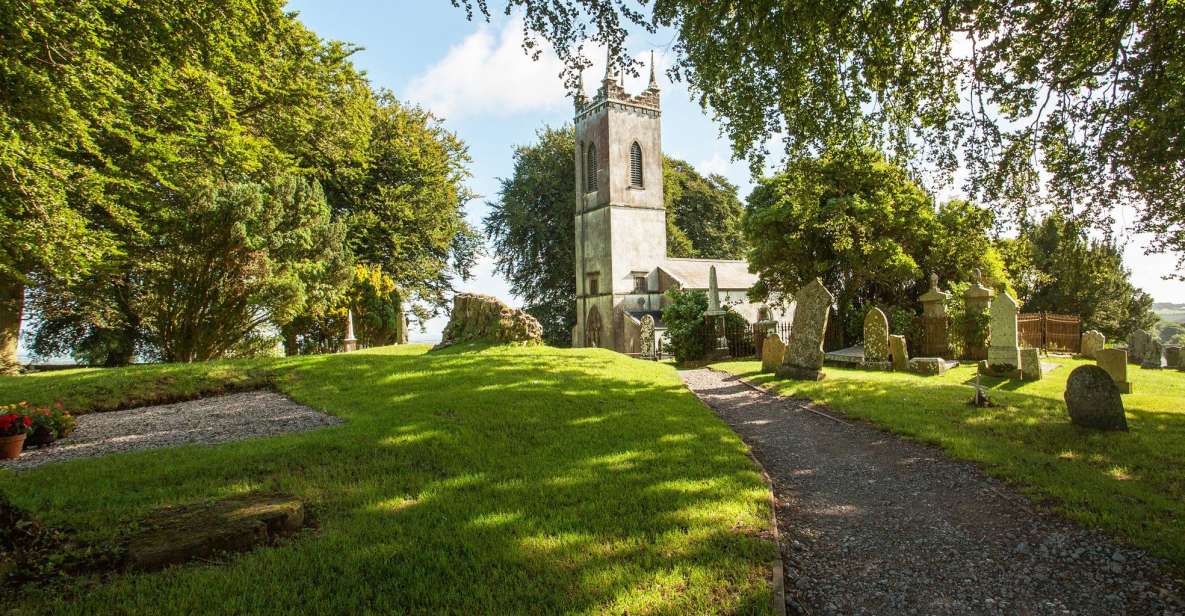
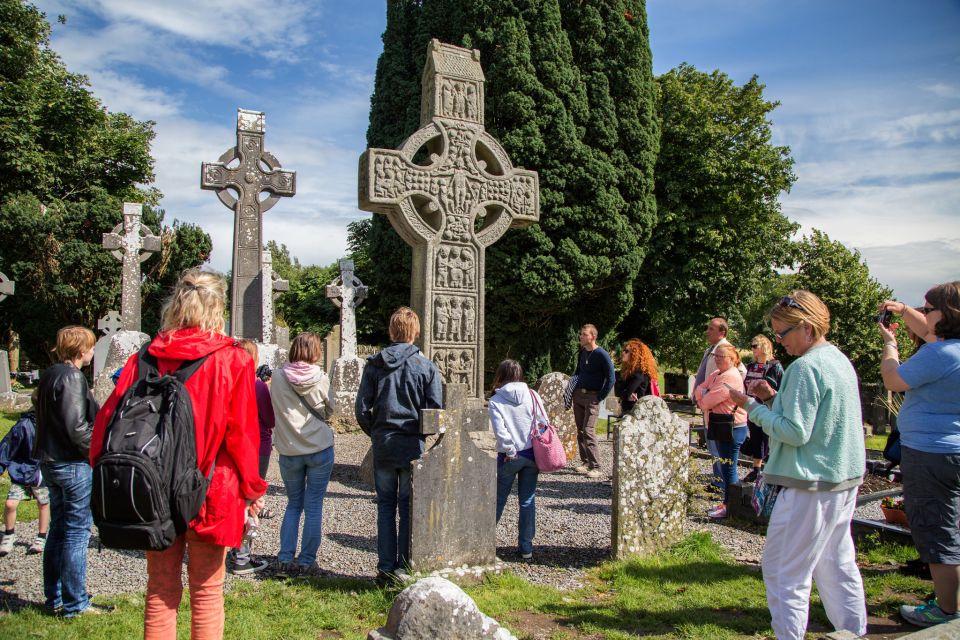
Fore Abbey is the final main stop, with about an hour for a guided visit. Saint Fechin founded a Christian monastery here in the seventh century. At its height, the settlement was home to about 300 monks, and the site was destroyed 12 times before the ruins you see today.
The remains include Saint Fechin’s Church, which dates to about 900 AD. The broken walls and open grounds make this a good place to slow down. After the busy sequence of royal hills, castles, and a tasting, the abbey offers a quieter ending.
Your guide can help you picture the scale of the old settlement. Without that explanation, a ruin can look like a collection of disconnected walls. With the background, you begin to see the site as a working religious center with people, buildings, and repeated attacks.
Fore is also one of the more atmospheric stops. You get open views, old stone, and a sense of distance from Dublin. Wear warm clothing because the final hour outdoors can feel chilly, particularly after sunset or in wet weather.
The tour then makes the return journey to Dublin, listed at about 100 minutes. That is a long ride, but the coach gives you a chance to rest after a full day on foot. It also means you should not schedule an important evening reservation too close to the expected return.
The guides are a major part of the value
This route covers a lot, but the driver-guide determines how much you take from it. The strongest guide comments focus on storytelling, humor, safe driving, and the ability to keep the day moving.
Flann, also referred to playfully as Bob by one group, is repeatedly praised for being friendly, funny, and well informed. Alec is credited with explaining not only the main sites but also places passed on the road, along with Dublin details and restaurant ideas. Jonathan is described as kind and engaging, while Brendan received particular praise for the choice of stops and clear presentation. David and Tom are also singled out positively.
You should expect a live English-speaking guide, not an audio tour. That gives the day flexibility. A good guide can point out something from the coach, adjust the flow, explain a difficult site, and leave you alone when you need time for photographs.
The tradeoff is that the exact personality and depth of commentary will vary by departure. The tour is only as strong as the person leading it, but the consistent pattern of comments about several different guides is encouraging.
Is $74 a fair price?
At $74 per person, this is a good-value day if you want several sites without renting a car. Transportation from central Dublin, the driver-guide, Wi-Fi, USB ports, and admission to Loughcrew, Tara, Fore Abbey, and the distillery are included.
Two costs are outside the fare: lunch and Trim Castle entry. Add those before comparing it with other day tours. You also need to consider the value of your time. A private trip would give you more freedom, but arranging five distinct stops by car would cost more and require careful driving and navigation.
The tour works best for people who prefer a full schedule. It is not a slow country day with long café breaks. You cover a lot of ground, climb at Loughcrew, and spend much of the day moving between sites.
The vehicle’s air conditioning, warmth, Wi-Fi, and charging ports are practical advantages. You can rest between stops, check messages, or recharge your phone for photographs. Still, bring snacks and a charged smartphone because the day is long.
How to prepare for the 10-hour outing
Your clothing can make or break this tour. Wear shoes with good grip, especially for Loughcrew and the uneven ground around the ruins. Pack a warm layer, waterproof jacket, umbrella, and rain gear. Even the nicest forecast is not a guarantee in Ireland.
Bring:
- Comfortable walking shoes
- Warm clothing and waterproof layers
- Sunglasses and an umbrella
- Snacks
- A camera and charged phone
The meeting point is the Molly Malone statue on Suffolk Street, outside the old stone church. Arrive at least 10 minutes before departure. The tour returns to the same location, which makes it easy to plan your evening, provided you leave enough time for traffic and the long final drive.
Free cancellation is available up to 24 hours before departure, and you can reserve now and pay later. Those terms help if your Dublin plans are still shifting, but the more important booking decision is physical: make sure you are comfortable with a full day and a steep climb.
Who should book this Boyne Valley tour?
I would recommend it to you if you want a broad introduction to County Meath and prefer a guide to explain the meaning behind the sites. It suits first-time visitors, history fans, photographers, and anyone who wants to see rural Ireland without driving.
It is especially good for people who enjoy variety. One stop is a grassy ceremonial hill, another is a huge medieval castle, another is a prehistoric tomb, and the last two shift toward monastic ruins and local spirits.
I would think twice if you want a relaxed pace, dislike coach travel, or have difficulty with steep hills. Loughcrew is the clearest physical challenge, and the 10-hour duration leaves little room for lingering at every stop.
Should you book it?
Book this tour if you want maximum variety for a reasonable day-trip price and you value a lively guide. The best parts are Loughcrew’s age, Trim’s scale, Fore Abbey’s quiet ruins, and the way guides such as Flann, Alec, Jonathan, Brendan, and David bring the road between stops to life.
Before paying, allow extra money for lunch and Trim Castle entry. If you are prepared for the steep climb at Loughcrew and a long day on the road, this is a strong choice for seeing the Boyne Valley from Dublin.
FAQ
Where does the tour start and finish?
The tour starts at the Molly Malone statue outside the old stone church on Suffolk Street, Dublin 2. It returns to the same meeting point at the end of the day.
How long does the tour last?
The tour lasts 10 hours. The listed return drive from the final stop takes about 100 minutes.
Is lunch included?
No. Lunch is not included, though a lunch option is available at the Barrel & Bean Café at Fore Distillery.
Is entry to Trim Castle included?
No. Entry to Trim Castle is not included in the tour price.
What language is the tour conducted in?
The tour has a live English-speaking driver-guide.
What should I bring?
Bring comfortable shoes, warm clothing, sunglasses, an umbrella, a camera, snacks, rain gear, and a charged smartphone. A steep climb is required at Loughcrew Cairns.
Just added around Dublin
- Dublin: Pub Tour. Pour The Perfect Guinness, Whiskey & Music★ 5.0 · 3 reviews
- A Self Guided Walking Tour of Dublin’s Docklands★ 4.5 · 3 reviews
- Private Dublin City tour★ 5.0 · 3 reviews
- Dublin One Day Tour with a Local: 100% Personalized & Private★ 4.5 · 3 reviews
- Waterford Crystal and Kilkenny Full-Day Rail Tour from Dublin★ 5.0 · 3 reviews
- 5 Day Ireland’s South−East Including Admission from Dublin★ 4.5 · 3 reviews
- Turtle Bunbury’s Dublin: A Self-Guided Audio Tour from a Celebrated Author★ 5.0 · 3 reviews
- Secret and unusual Dublin: guided walking tour★ 5.0 · 3 reviews
Boyne Valley & Newgrange Tours, compared.
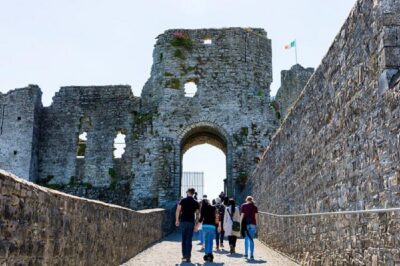
Celtic Boyne Valley & Ancient Sites Day Tour From Dublin
Read our review →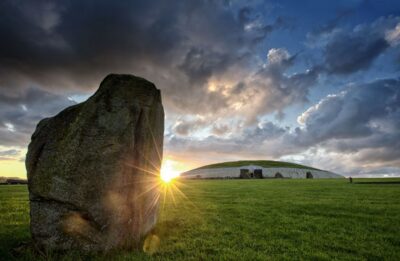
Boyne Valley with Newgrange and Bru Na Boinne Entry
Read our review →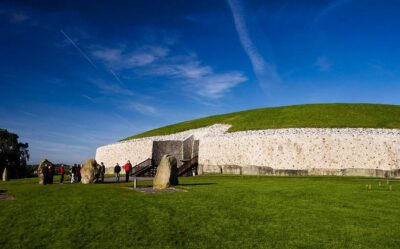
Dublin to Newgrange, Monasterboice Small Group Guided Tours
Read our review →
6 hour Half-Day Award Winning Private Tour of the Boyne Valley
Read our review →
Full-Day Irelands Ancient Boyne Valley Private Guided Tour
Read our review →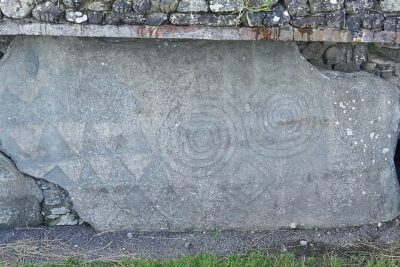
Browse the lists this tour appears in