
Reviewed · CRUISES & BOAT TOURS
Dublin Sightseeing Cruise on River Liffey with Local Guide
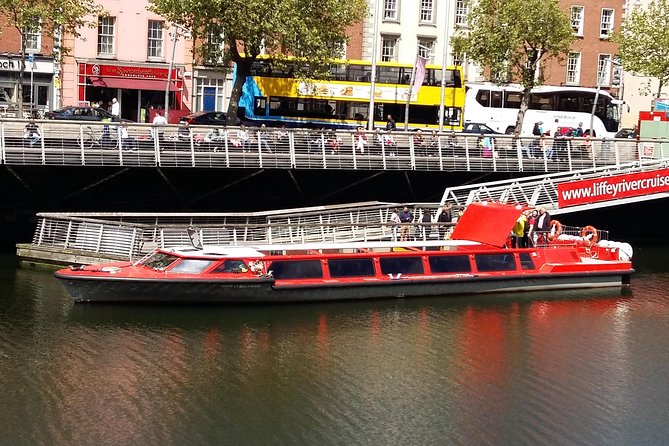
Dublin’s story makes more sense from the River Liffey. On this 45-minute cruise, you pass famine history, bold modern architecture, old bridges, and the Docklands while a local guide explains how the city grew around its river. It is a quick, easy way to get your bearings.
I like the close-up look at the Samuel Beckett Bridge and the Ha’penny Bridge, and I like the small group size, capped at 22 people. The best guides, including Jerry and Terry on some departures, add Irish humor to the facts. The drawback is simple: this is a short up-and-down river ride, not a long voyage, and the views can suffer badly in rain.
In This Review
- Key points to know before you book
- Why the Liffey is a useful place to start in Dublin
- Boarding at Sean O’Casey Bridge
- The Jeanie Johnston and Dublin’s famine story
- Samuel Beckett Bridge and modern Dublin
- Under the Ha’penny Bridge
- Dublin Docklands from the river
- What the guide adds
- Is 45 minutes enough?
- The weather can change the whole experience
- Value at $27.15 per person
- Who should book this cruise?
- Should you book the Dublin Liffey cruise?
- FAQ
- How long is the Dublin Sightseeing Cruise?
- Where does the cruise start?
- Where does the cruise finish?
- What language is the tour offered in?
- What sights can I see from the boat?
- Is food or drink included?
- How many people can join the cruise?
- Are children allowed?
- Are service animals allowed?
- Can I cancel for a refund?
- What happens if bad weather cancels the cruise?
Key points to know before you book
- A compact 45-minute introduction: You see several parts of Dublin without giving up half a day.
- Three memorable bridges: The Samuel Beckett Bridge, Ha’penny Bridge, and Sean O’Casey Bridge give the cruise much of its visual appeal.
- History with local character: The guide covers the Great Famine, shipping, architecture, and Dublin’s changing identity.
- Small pontoon, maximum 22 people: This is more intimate than a large sightseeing bus.
- Weather matters: Rain on the windows and moisture inside can make the river views hard to enjoy.
- $27.15 per person: The price is fair if you value live commentary and a water-level view, but less compelling if you only want to see the bridges.
Why the Liffey is a useful place to start in Dublin
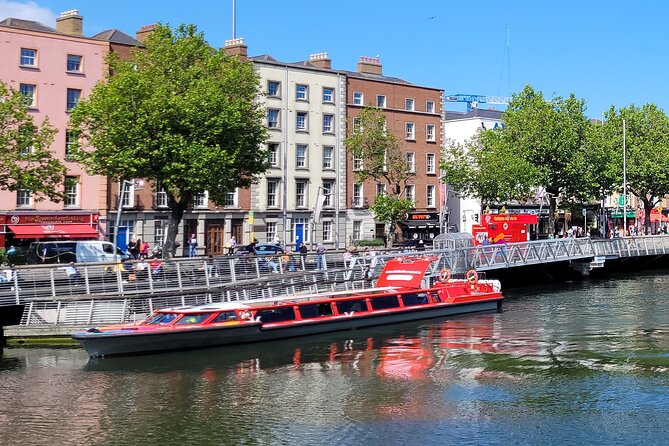
The Liffey cuts through the center of Dublin, separating the north and south sides of the city. From the water, you get a quick visual map of the city and see how the river has shaped its working past and newer identity.
This is not a grand cruise into open water. The boat travels along a limited stretch, then turns back, so you should think of it as a moving orientation tour. I find that a useful role, especially at the start of a Dublin visit. After 45 minutes, you have seen several districts and heard enough background to make later walks more meaningful.
The small pontoon boat is part of the appeal. You are close to the water and close to the guide, rather than sitting far from the commentary on a large sightseeing vessel. The tradeoff is that there is less space and less shelter than you might find on a larger covered boat.
You make your own way to Sean O’Casey Bridge on the north side of the River Liffey. The cruise returns to the same meeting point, which keeps the outing easy to fit into a day of sightseeing.
More boat trips from Dublin:
- Dublin: River Liffey Sightseeing Cruise
★ 4.4 · 3,473 reviews - Dublin: Howth Coastal Boat Tour
★ 4.7 · 644 reviews - Dublin: Howth Cliffs and Lighthouse Cruise
★ 4.4 · 441 reviews
Boarding at Sean O’Casey Bridge
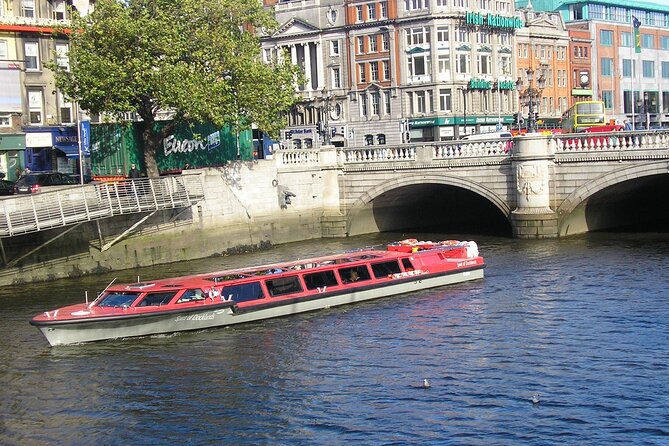
The tour begins at Sean O’Casey Bridge, in Dublin’s southeast inner city. This is a practical starting point near the Docklands, and it puts you close to several of the sights discussed during the cruise.
Bring your mobile ticket and arrive ready to board. The experience is offered in English, with live commentary from a local guide. The boat carries no more than 22 people, a useful limit for hearing the guide and asking a question if time allows.
The crew combination is part of the fun on the strongest departures. One person handles the boat while the guide keeps the commentary moving. Names connected with some departures include Jerry and Terry, and the tone can be lively, warm, and distinctly Irish.
You should not expect a formal lecture. The commentary mixes dates and civic history with stories about buildings, bridges, shipping, and Dublin culture. That approach works well for a short tour, though a guide who talks continuously may feel like too much if you prefer quiet sightseeing.
The Jeanie Johnston and Dublin’s famine story
One of the first notable sights is the Jeanie Johnston tall ship, now a museum connected with the Great Famine. Seeing the vessel from the river gives the story a physical presence that a passing street view cannot provide.
The ship points to a painful period in Irish history, when hunger and emigration reshaped the country. You will not get a full museum visit during this cruise, but the guide uses the ship as a prompt to explain part of Dublin’s connection with migration and the river.
This is one reason I prefer the boat to a simple bridge-counting ride. The sights are not only decorative. They connect to the city’s work, hardship, transport, and growth.
You should keep your expectations in check. The cruise passes the ship rather than stopping for a visit, and food, drinks, or museum entry are not included. If the Jeanie Johnston interests you, treat the boat tour as an introduction and plan a separate visit.
Samuel Beckett Bridge and modern Dublin
The Samuel Beckett Bridge is the cruise’s clearest example of modern Dublin architecture. Designed by Santiago Calatrava, its curved form resembles a harp, an important Irish symbol, and it makes a strong impression from water level.
From the boat, you can study the bridge’s shape without standing in traffic or trying to frame it between nearby buildings. The guide also places it within the wider Docklands area, helping you see that Dublin is not only a city of Georgian streets, pubs, and old stone.
I like this contrast between the Jeanie Johnston and the Samuel Beckett Bridge. One recalls famine-era sea travel and survival. The other signals a newer Dublin tied to offices, design, and international business.
The bridge is also a good test of the tour’s limits. If you already know Dublin well and only want a long scenic ride, the cruise may feel brief. The boat is mainly here to show you important sights and explain them, not to cover a great distance.
A few more Dublin tours worth weighing up
- Dublin Highlights and Hidden Gems Guided Walking Tour
★ 5.0 · 6,020 reviews - Dublin to Glendalough, Wicklow and Kilkenny Full Day Guided Tour
★ 5.0 · 4,895 reviews - Dublin Book of Kells, Castle and Molly Malone Statue Guided Tour
★ 4.5 · 3,825 reviews - The Little Museum of Dublin Famous Guided Tour
★ 5.0 · 2,948 reviews
Under the Ha’penny Bridge
The Ha’penny Bridge is Dublin’s oldest pedestrian bridge, recognized by its curved white structure and wrought-iron detail. From below, the metalwork becomes the main event. You see the bridge from an angle that is difficult to get while walking across it.
The name comes from the former halfpenny toll charged to cross it. That small detail captures the kind of everyday story that makes the commentary useful. You are not just pointed toward a bridge. You are given a reason to remember it.
Passing beneath the Ha’penny Bridge is one of the more enjoyable moments of the cruise. It gives you a clear sense of the river as a working route and public crossing, rather than simply a strip of water between the two sides of town.
The guide may also point out nearby places along the river, including the Ha’penny Pub. The tour does not include a stop for drinks, so save that idea for afterward.
Dublin Docklands from the river
The Docklands section explains the biggest change described on the cruise: the shift from 18th-century shipping and shipyards to a modern center for offices, housing, and city life.
From the water, that change is easier to understand. You can see how the river once served trade and industry, then became part of Dublin’s newer public face. The guide’s commentary connects the buildings and bridges with the city’s economic growth.
This is where the cruise offers more than a quick postcard view. You are shown the older working function of the Liffey and the newer Dublin built around it. The story gives shape to an area that can otherwise feel like a collection of modern structures.
Some people will want the boat to go farther, perhaps toward areas where the river’s role in brewing and industry can be explored in more detail. This cruise does not promise that kind of extended route. It stays within a short central stretch and returns to the starting point.
What the guide adds
The live guide is the main reason to choose this cruise instead of simply walking beside the Liffey. The strongest commentary is friendly, funny, and packed with stories about Dublin and Ireland.
I would book this for the guide’s interpretation, not for the boat ride alone. A bus can show you many of the same central sights, and walking costs nothing. On the water, though, you hear about the bridges while looking up at their undersides, and you see the Docklands from the route that helped create it.
The style can vary. Some departures have guides who keep families laughing and involve children in playful captain moments. Other commentary may feel nonstop or overly focused on bridges. If you prefer a quiet cruise with occasional facts, this may not be your ideal match.
The group limit helps. With no more than 22 people, the guide is not speaking to a huge crowd, and the small pontoon creates a more personal feel. The boat is also described as comfortable and suitable for most people, with service animals allowed and children welcome when accompanied by an adult.
Is 45 minutes enough?
For a first look at Dublin, yes. For a full river cruise, no.
The 45-minute length makes this easy to schedule before a museum, lunch, or walking tour. You can fit it into a busy day without sacrificing a major block of time. It is especially useful if you want an introduction before exploring the city on foot.
At the same time, the short route limits what the boat can show you. The cruise travels along part of the Liffey, turns around, and returns. You will not see every river district or get a broad trip through Dublin’s outer waterways.
I would rate the duration as a strength for first-time visitors and a weakness for anyone expecting a substantial boat journey. The tour is about context and orientation. It is not about distance.
The weather can change the whole experience
This is an outdoor sightseeing activity, so weather deserves serious attention. In heavy rain and wind, the operator may cancel the cruise and offer another date or a full refund. That policy is sensible, but it does not help if the cancellation disrupts a tightly planned day.
Even when the boat sails, rain can reduce the value. Drops on the outside windows and moisture inside can make the bridges and buildings hard to see. Dublin’s weather can shift quickly, so check the forecast and avoid placing this tour at the center of a short visit if rain looks likely.
On a dry day, the water-level views are the reason to go. On a wet day, you may spend much of the ride trying to see through blurred glass. I would keep some flexibility in your schedule and bring weather protection.
Value at $27.15 per person
At $27.15, this is not a bargain in the strictest sense. You can walk along the Liffey for free, and a bus tour may cover similar ground for less depending on the ticket you choose.
Still, the price can make sense if you want three things together: a small boat, live commentary, and a quick overview of central Dublin. You are paying for the perspective, the guide, and the convenience of seeing several districts without walking between them.
I think the value is strongest when you use the cruise as a first-day introduction. You can learn the basic shape of the city, note places to revisit, and then explore the bridges and Docklands at street level.
The value is weaker if you already know the area, dislike guided commentary, or want a longer voyage. In those cases, a self-guided walk may give you more time at each sight.
Who should book this cruise?
I would recommend it to first-time Dublin visitors, families, and anyone who wants an easy activity with history and humor. The modest group size and short duration also suit people who do not want a full-day tour.
It can work well for you if walking is tiring, since the boat lets you see several parts of the city while seated. The activity information says most people can participate, and service animals are allowed. Children must be accompanied by an adult.
I would be more cautious if you are sensitive to rain, want extensive architectural detail, or expect a cruise far beyond the central river. The experience depends heavily on the guide and the weather.
Free cancellation is available up to 24 hours before the start time for a full refund. Cancellations made less than 24 hours ahead are not refunded, and changes inside that window are not accepted. The operator can also cancel for poor weather or if the minimum number of bookings is not reached.
Should you book the Dublin Liffey cruise?
Book it if you want a short, entertaining introduction to Dublin and like the idea of seeing the city from water level. The Jeanie Johnston, Samuel Beckett Bridge, Ha’penny Bridge, and Docklands give the ride a clear story, moving from hardship and shipping to modern city life.
Skip it if you want a long cruise, guaranteed sunshine, or a silent ride. At $27.15, the tour earns its price through the guide and the unusual viewpoint, not through miles covered.
For most first visits, I think it is a worthwhile 45 minutes. Just check the weather, arrive at Sean O’Casey Bridge on the north side of the river, and treat the cruise as an opening chapter rather than the whole Dublin story.
FAQ
How long is the Dublin Sightseeing Cruise?
The cruise lasts approximately 45 minutes. Some descriptions of the experience report a trip close to an hour, but you should plan around the advertised 45-minute duration.
Where does the cruise start?
The meeting point is Sean O’Casey Bridge in Dublin’s southeast inner city, on the north side of the River Liffey.
Where does the cruise finish?
The boat returns to the same meeting point at Sean O’Casey Bridge.
What language is the tour offered in?
The tour is offered in English, with live commentary from a local guide.
What sights can I see from the boat?
You can see the Jeanie Johnston tall ship, Samuel Beckett Bridge, Ha’penny Bridge, and Dublin Docklands. The guide also discusses the bridges, buildings, and history along the river.
Is food or drink included?
No. Food and drinks are not included in the tour.
How many people can join the cruise?
The activity has a maximum group size of 22 people.
Are children allowed?
Yes. Children can join, but they must be accompanied by an adult.
Are service animals allowed?
Yes. Service animals are allowed on the activity.
Can I cancel for a refund?
You can cancel at least 24 hours before the start time for a full refund. Cancellations made less than 24 hours before the start time are not refunded.
What happens if bad weather cancels the cruise?
If poor weather causes a cancellation, you will be offered a different date or a full refund.
Just added around Dublin
- A Self Guided Walking Tour of Dublin’s Docklands★ 4.5 · 3 reviews
- Private Dublin City tour★ 5.0 · 3 reviews
- Dublin: Pub Tour. Pour The Perfect Guinness, Whiskey & Music★ 5.0 · 3 reviews
- Dublin One Day Tour with a Local: 100% Personalized & Private★ 4.5 · 3 reviews
- Waterford Crystal and Kilkenny Full-Day Rail Tour from Dublin★ 5.0 · 3 reviews
- Secret and unusual Dublin: guided walking tour★ 5.0 · 3 reviews
- 5 Day Ireland’s South−East Including Admission from Dublin★ 4.5 · 3 reviews
- Turtle Bunbury’s Dublin: A Self-Guided Audio Tour from a Celebrated Author★ 5.0 · 3 reviews
Cruises & Boat Tours, compared.
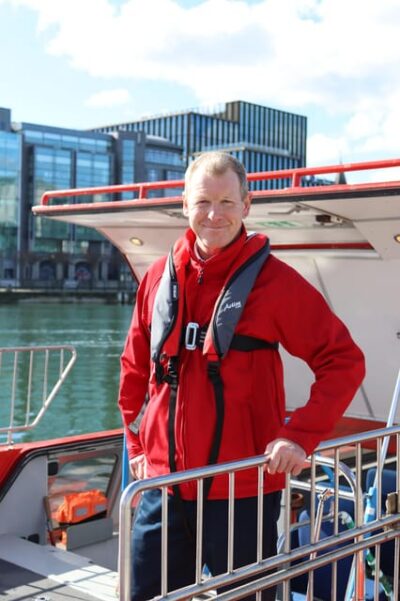
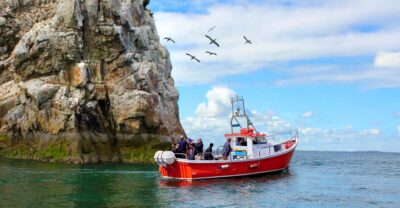
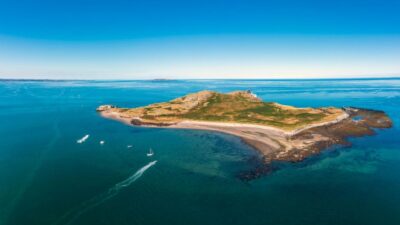
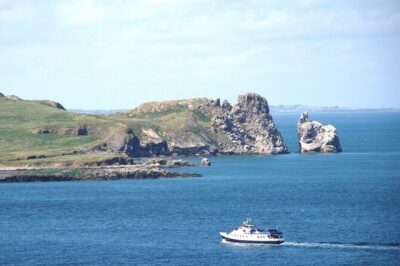

Howth Coastal Boat Tour (Ireland’s Eye Ferries 50 mins trip)
Read our review →
Browse the lists this tour appears in