
Reviewed · DUBLIN CRAFT WORKSHOPS
Dublin: Forge Your Own Silver Claddagh Ring Workshop
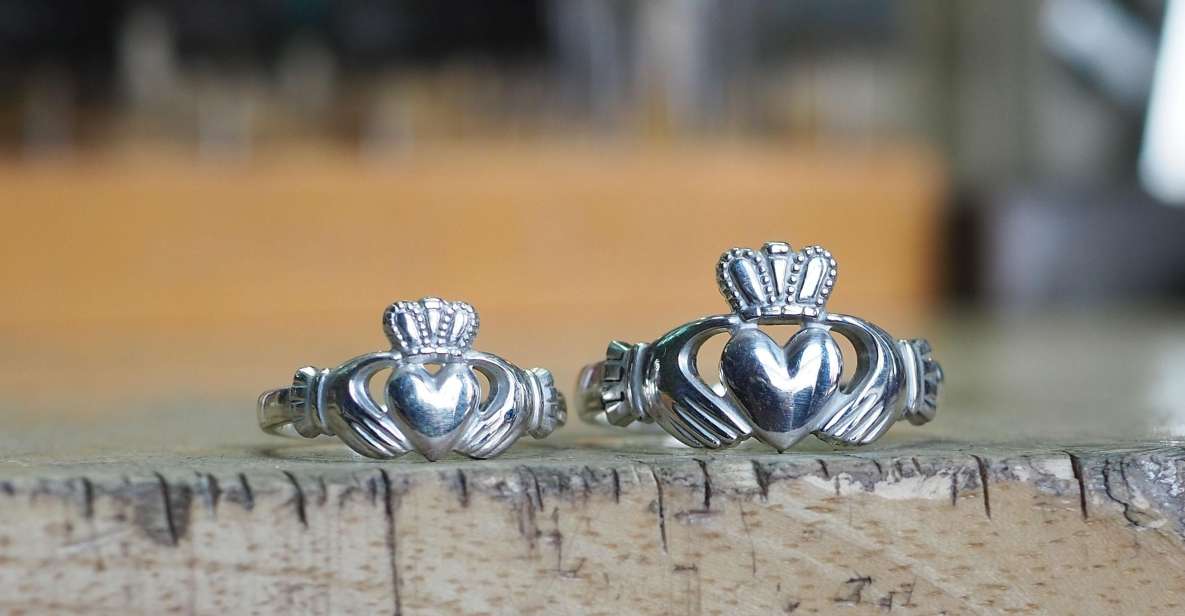
The best part of this Dublin workshop is that you do not simply buy a Claddagh ring, you make one from sterling silver and leave wearing it. You mark the metal, saw the design, bend the strip into a circle, and shape it to fit. The heart, crown, and clasped hands then carry a little more meaning because your own hands made them.
I like the clear, practical teaching and the friendly pace. Instructors such as Orla, Clodagh, and Audrey guide beginners patiently, and you get a useful keepsake rather than a short-lived souvenir. The main drawback is the steep stairs to the studios, which make this unsuitable for people with mobility impairments. You also need a good level of English and must arrive on time.
In This Review
- Key points to know before booking
- Making an Irish symbol with your own hands
- Your first tools: scribe, saw, and silver strip
- Turning a flat strip into a ring
- A relaxed class with useful comforts
- What makes the finished ring worth the price
- Who should take this Dublin workshop
- Timing, access, and the small practical matters
- My take: book it for the memory, not just the ring
- FAQ
- Where does the Claddagh ring workshop begin?
- How long does the workshop last?
- What language is the workshop taught in?
- What is included in the price?
- Can children take part?
- Is the studio suitable for people with mobility impairments?
- What happens if I need to cancel?
Key points to know before booking
- You make the ring yourself: Mark, pierce, saw, bend, and shape a sterling silver Claddagh ring with a professional goldsmith nearby.
- The symbolism is built into the design: The heart represents love, the crown loyalty, and the clasped hands friendship.
- The class lasts two hours: That gives you enough time to learn the basic techniques without turning the workshop into a full-day commitment.
- Patient instruction matters here: Orla, Clodagh, and Audrey are among the instructors named for this experience, and the teaching is designed for beginners.
- Small comforts are included: You get tools, equipment, an apron, tea, coffee, and chocolate treats.
- Check the access details carefully: The studios have steep stairs and are not suitable for people with impaired mobility.
Making an Irish symbol with your own hands
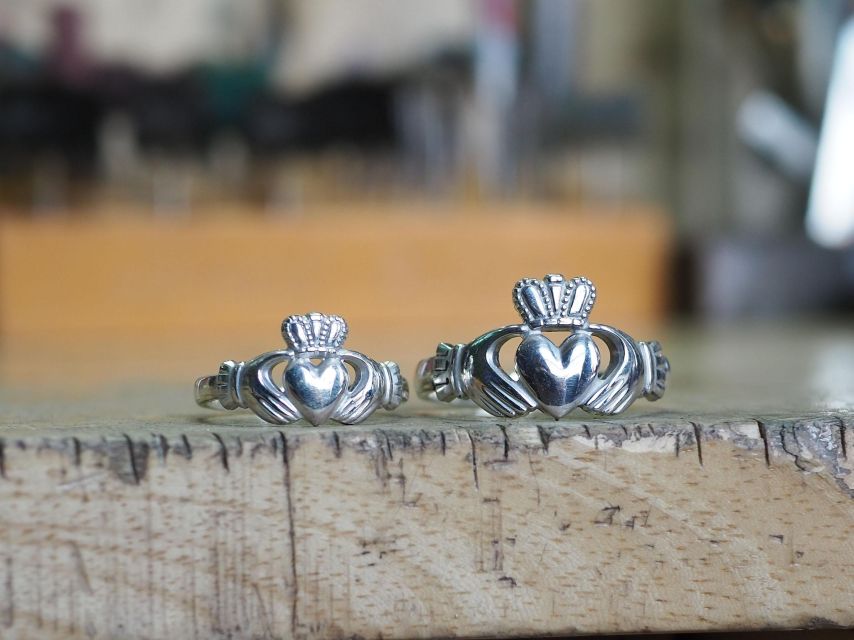
A Claddagh ring is easy to recognize. Two hands hold a heart beneath a crown. The hands mean friendship, the heart means love, and the crown means loyalty. In Ireland, the ring can carry personal meaning as a gift, a relationship symbol, or a reminder of a trip.
This workshop gives you more than a finished object. You see how a simple strip of metal becomes a ring through a series of basic goldsmithing steps. I like that the process is broken into jobs you can understand: mark the silver, cut the openings, form the circle, and adjust the fit.
You do not need previous jewelry-making experience. The workshop is built around introductory skills, and a professional goldsmith stays close to show you the traditional methods. That makes the experience suitable for someone who wants to try a craft without committing to a long course.
The result is also personal. A shop-bought Claddagh ring may be prettier or more finely finished, but this one carries the memory of the work. You can make it for yourself or for someone close to you. The finished sterling silver ring is yours to wear at the end.
More Dublin craft workshops:
- Dublin: Forge a Silver Ring Workshop on Drury Street
★ 4.9 · 1,065 reviews - Dublin Jewellery Forge a Hammered Silver Ring: Drury Street
★ 5.0 · 410 reviews - Dublin Jewellery Forge a Hammered Silver ring:Georges Street
★ 5.0 · 59 reviews
Your first tools: scribe, saw, and silver strip
At the start, you head into the Silver Works store and show your voucher. The workshop takes place there, so there is no second meeting point to find after arriving. Plan to be there around 10 minutes before the scheduled start.
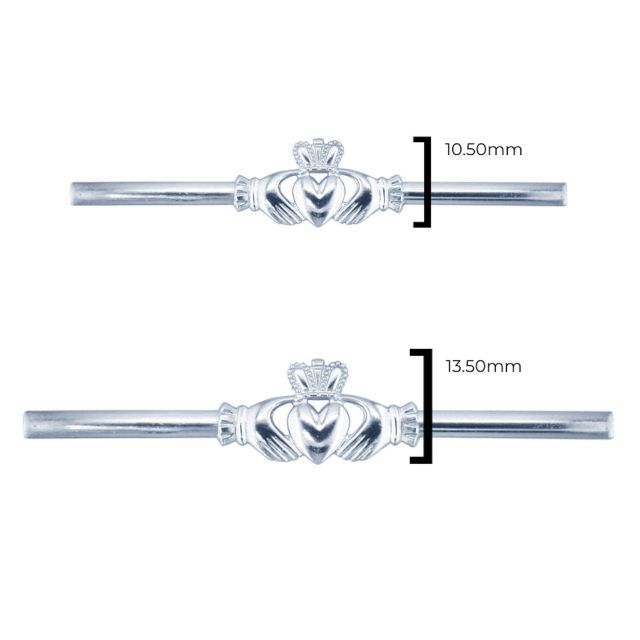
You begin with a Claddagh ring strip. The first skill is marking the silver with a scribe. This is a small but important step because the marks guide the cuts that create the ring design. You learn to work carefully rather than rush, which is useful for anyone new to jewelry tools.
Next comes the jeweler’s saw. You pierce the silver strip and cut along the marked areas. This is the most hands-on part of the class, and it may take patience to keep the saw moving along the intended line. The instructor is there to explain the technique and help you use the equipment correctly.
All tools and equipment are supplied, along with an apron. That matters because you do not need to pack specialist gear or worry about bringing a polished jewelry-making setup from home. You can focus on the metal in front of you.
The class is in English, and a good level of English is required. You should be comfortable following spoken instructions about tools and technique. Children over 10 can take part, but anyone under 16 must be accompanied by a paying guardian.
Turning a flat strip into a ring
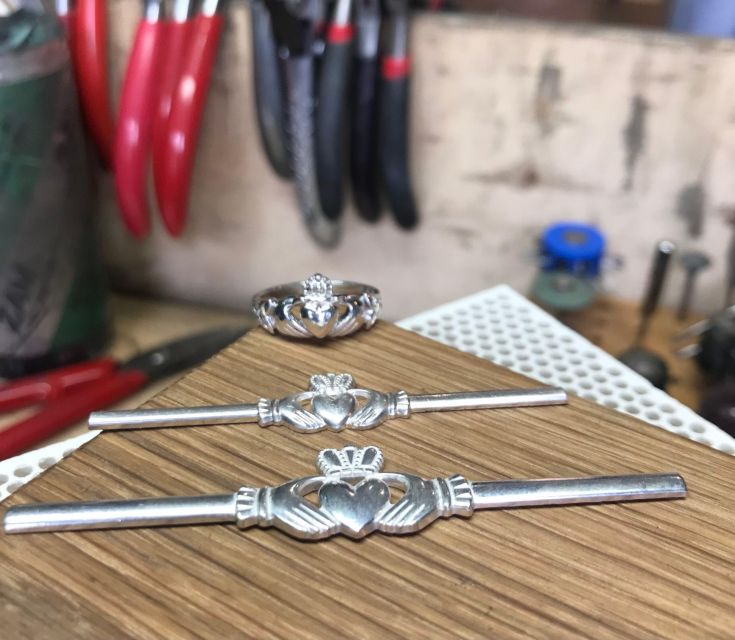
Once the design has been cut, the flat silver strip needs to become a circle. This is where the workshop shifts from cutting to forming. You use pliers and a ring mandrel to bend the metal and create the familiar round shape.
A ring mandrel is a tapered tool that helps you form and check the size. You work the silver around it rather than simply forcing it into a circle by hand. This shows you one of the key ideas in jewelry-making: small adjustments matter.
The ring is listed as a size 10.50mm. The important point for you is that the piece is made to fit during the session, rather than being handed over as a fixed souvenir with no attention to sizing. If you are making the ring for someone else, you should have the correct size information before booking.
The process is simple enough for a beginner but still feels like real craft work. You are using actual jewelry tools and making decisions about the shape. That balance is one reason the experience can work well for couples, friends, and families with older children.
Do not expect a factory-perfect object made in minutes. The appeal is the act of shaping the silver yourself, with help when you need it. Your ring will carry the small signs of a handmade piece, which is part of its charm.
A relaxed class with useful comforts
The workshop lasts two hours. That is a good length for a Dublin activity because it fits neatly into a morning or afternoon without taking over your entire day. You can pair it with other plans in the city, but leave enough time to reach the studio and settle in before the start.
Tea, coffee, and chocolate treats are included. These are modest details, but they help create a comfortable setting while you work. Additional food and drinks are not included, so do not treat the workshop as a meal.
The pace is described as fun and relaxed, and the teaching style is a major part of the experience. Orla and Clodagh are named as instructors, while Audrey is also praised for being funny and patient. Those details matter because jewelry-making can feel intimidating when you are holding an unfamiliar saw or trying to bend silver accurately.
The best instruction for this sort of class is calm and direct. You want someone to explain the next step, watch your technique, and step in before a mistake becomes a ruined piece. The feedback attached to this activity points to exactly that kind of support, with clear instructions and help for couples working on their rings.
A few more Dublin tours worth weighing up
- Dublin: Irish Music and Dance Show with Dance Lesson
★ 4.7 · 567 reviews - Dublin: Roe and Co Distillery Cocktail Workshop Experience
★ 4.9 · 489 reviews - Dublin: Jameson Distillery Whiskey Blending Class
★ 4.8 · 113 reviews - Irish Craic & Cuisine: Cooking Class & Dinner in Central Dublin
★ 5.0 · 80 reviews
What makes the finished ring worth the price
The price is $148 per person. That is not a cheap souvenir purchase, so you should book it for the making experience, not only for the value of the silver.
The fee covers the sterling silver Claddagh ring, a goldsmith, use of the tools and equipment, an apron, and the refreshments. You also leave with the object you made. Compared with buying a ready-made ring, the cost pays for instruction, studio time, materials, and a personal activity in Dublin.
I see the value most clearly if you want a meaningful keepsake or a hands-on activity. A couple can make rings together. A parent and older child can share a project. Someone visiting Ireland alone can create a souvenir with a direct connection to Irish tradition.
The value is weaker if you only want a low-cost piece of jewelry or prefer polished sightseeing with little participation. You will spend two hours concentrating on small tasks, and the finished ring may reflect your beginner status. That is not a flaw, but it is worth understanding before you pay.
The strong satisfaction comes at the end, when you place your new creation on your finger. You are not just carrying home something labeled Irish. You have a clear memory of how it took shape.
Who should take this Dublin workshop
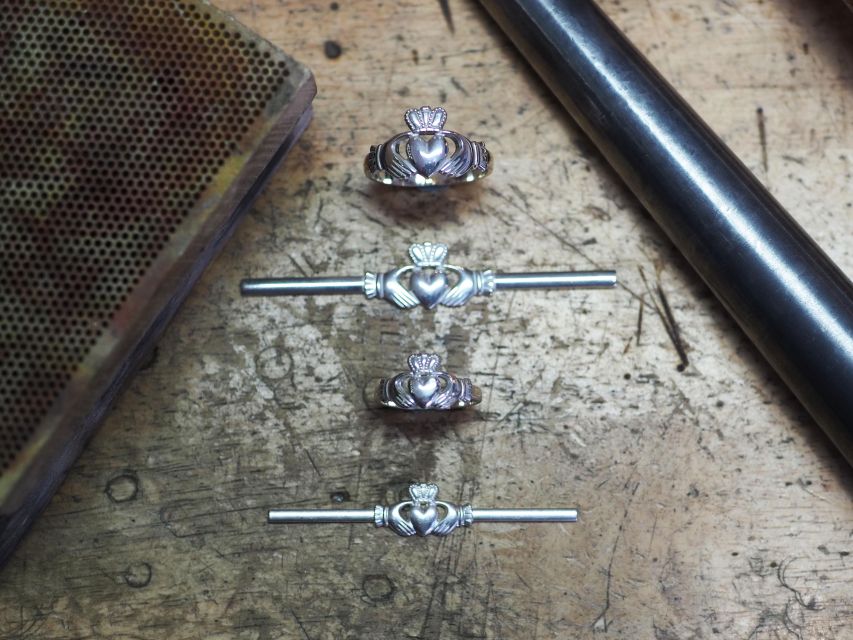
I would choose this for anyone who likes making things, trying a new skill, or collecting souvenirs with a story. It is especially well suited to couples because the Claddagh symbol already connects with love, loyalty, and friendship.
It also works for families with children over 10. Under-16s must have a paying guardian, and the English instruction means younger participants need to follow directions comfortably. The tools require attention, so this is not a casual drop-in craft table for very young children.
You should also consider your comfort with careful hand work. The class is beginner-friendly, but you still need to mark, saw, bend, and shape silver. If you like a little concentration mixed with conversation, the format should suit you. If you want to sit back and watch an artisan do everything, choose a different Dublin activity.
English is the only listed workshop language. A good level is required, especially because the class involves tool use and step-by-step instruction.
Timing, access, and the small practical matters
The workshop starts at set times, so check availability before planning the rest of your day. Arrive about 10 minutes early. The studio cannot accept late attendees beyond 10 minutes after the class begins, and airport arrivals need extra care because no transfer is provided for late flights.
This is an activity where punctuality matters more than usual. Missing the opening instructions could leave you unsure how to use the tools or mark the silver. If you are coming directly from Dublin Airport, allow plenty of extra time.
The studio has a lot of steep stairs. It is not suitable for people with impaired mobility. This is important information to consider before paying, since the access issue cannot be solved by simply taking a lift or asking for a different room.
Cancellation is free up to 24 hours before the activity for a full refund. You can also reserve now and pay later, which gives you some flexibility while your Dublin plans are still taking shape. These policies help, but they do not remove the need to check the starting time and access conditions.
My take: book it for the memory, not just the ring
I would book the Silver Works workshop if I wanted a personal Irish souvenir and an activity with real participation. The two-hour format is manageable, the symbolism of the Claddagh ring gives the finished piece meaning, and the professional guidance keeps the process approachable.
The strongest reasons to go are the chance to make the ring from a silver strip, the patient instruction from people such as Orla, Clodagh, and Audrey, and the satisfaction of wearing the result at the end. The main reasons to pause are the $148 price, the English requirement, the steep stairs, and the need to arrive on time.
For a couple, a crafty family with older children, or anyone who prefers making over simply shopping, this is a thoughtful choice in Dublin. If you have mobility concerns, need instruction in another language, or want the cheapest possible souvenir, skip it. For everyone else, the ring gives you something that a standard purchase cannot: a piece of Ireland shaped by your own hands.
FAQ
Where does the Claddagh ring workshop begin?
Go directly into the Silver Works store, where the workshop takes place, and show your GetYourGuide voucher.
How long does the workshop last?
The workshop lasts two hours. Starting times vary, so check availability when booking.
What language is the workshop taught in?
The instructor teaches in English, and a good level of English is required for the workshop.
What is included in the price?
The price includes a sterling silver Claddagh ring listed as size 10.50mm, a goldsmith, all tools and equipment, an apron, tea, coffee, and chocolate treats.
Can children take part?
Children over 10 can attend. Anyone under 16 must be accompanied by a paying guardian.
Is the studio suitable for people with mobility impairments?
No. The studios have many steep stairs and are not suitable for people with impaired mobility.
What happens if I need to cancel?
You can cancel up to 24 hours in advance for a full refund. You can also reserve now and pay later.
Just added around Dublin
- Dublin: Pub Tour. Pour The Perfect Guinness, Whiskey & Music★ 5.0 · 3 reviews
- A Self Guided Walking Tour of Dublin’s Docklands★ 4.5 · 3 reviews
- Private Dublin City tour★ 5.0 · 3 reviews
- Dublin One Day Tour with a Local: 100% Personalized & Private★ 4.5 · 3 reviews
- Waterford Crystal and Kilkenny Full-Day Rail Tour from Dublin★ 5.0 · 3 reviews
- Secret and unusual Dublin: guided walking tour★ 5.0 · 3 reviews
- 5 Day Ireland’s South−East Including Admission from Dublin★ 4.5 · 3 reviews
- Turtle Bunbury’s Dublin: A Self-Guided Audio Tour from a Celebrated Author★ 5.0 · 3 reviews
Dublin Craft Workshops, compared.
Dublin Jewellery Forge a Hammered Silver Ring: Drury Street
Read our review →
Dublin Jewellery Forge a Hammered Silver ring:Georges Street
Read our review →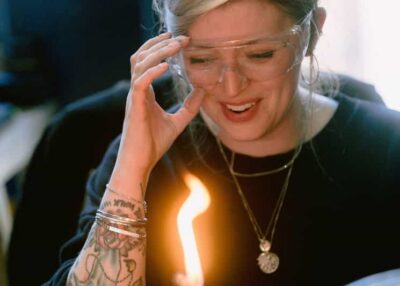
Browse the lists this tour appears in