
Reviewed · DUBLIN CRAFT WORKSHOPS
Dublin: Forge a Silver Ring Workshop on George’s Street
The best part of this Dublin workshop is that you begin with a plain strip of sterling silver and finish with a ring shaped by your own hands. You choose the finger, curve, texture, and polish, so the finished souvenir feels personal rather than picked from a shop shelf.
I like the small groups of up to six, which give you room to ask questions and get help at the bench. I also like the steady mix of practical work and creative choice, from sawing and hammering to selecting the final surface. The two-hour format fits neatly into a Dublin day.
The main drawback is access. Both studios have steep stairs and are not suitable for wheelchair users, people with impaired mobility, or people with visual impairments. You also need a good level of English, and late arrivals more than 10 minutes after the start cannot join.
In This Review
- Key points to know before you book
- From a silver strip to a Dublin keepsake
- Filing gives the ring its final shape
- Three textures and a planishing hammer
- Polishing turns the work into jewelry
- Why the two-hour length works
- Central studios on Georges Street and Drury Street
- Is the $98 price good value?
- Who will enjoy this workshop most?
- A practical plan for your visit
- Should you book the Georges Street ring workshop?
- FAQ
- How long does the silver ring workshop last?
- Where does the Georges Street workshop meet?
- Is the Drury Street studio also available?
- What is included in the price?
- Can I add engraving or gold plating?
- Is the workshop suitable for children?
- Is the workshop accessible for wheelchair users?
Key points to know before you book
- Your ring starts as raw silver: You measure and cut the metal yourself before shaping it around a ring mandrel.
- The tutor handles the soldering: You form the ring, then watch an expert solder the join and guide you through the next stages.
- Texture makes the ring yours: A planishing hammer lets you choose from three different surface effects.
- The group stays small: Up to six people can attend, making it easier to get individual help.
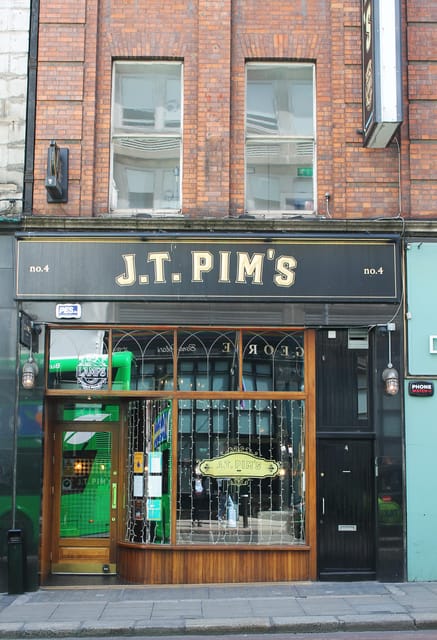
- The studios are central but stair access is difficult: Georges Street is above JT Pimms, with a black door and buzzer on the right. Drury Street is another booking option.
- Extras cost more: Engraving is €30, gold plating is €30, and wider silver bands cost from €10 to €15 extra.
From a silver strip to a Dublin keepsake
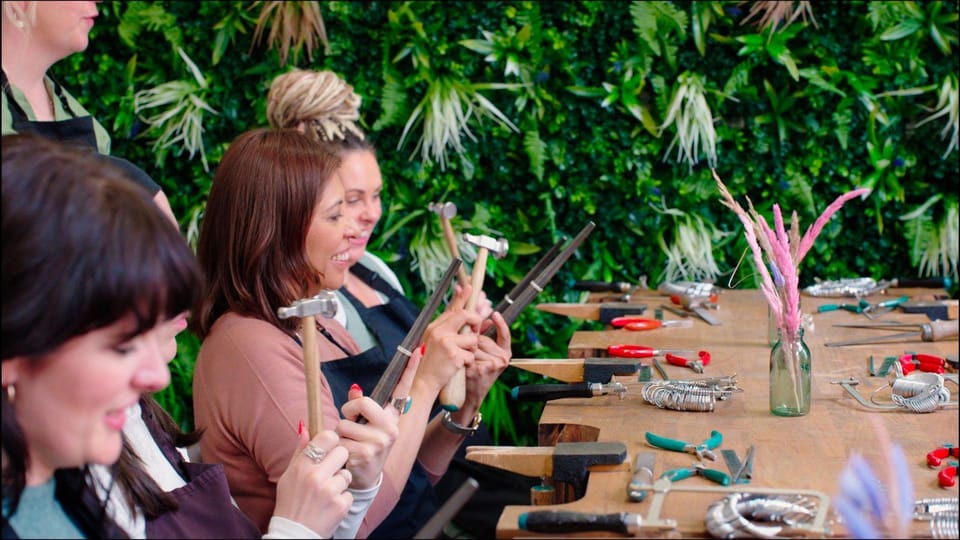
This is not a class where you simply watch someone make jewelry. You take part in the main stages, with an instructor keeping the work safe and manageable. The result is a modest but meaningful souvenir: a ring that carries the marks of your decisions and a little evidence of the making process.
The activity begins with a practical choice. You decide which finger the ring is for, then mark the silver to the length required. This sounds simple, but sizing matters. Pay attention as the tutor explains the measurement, since a beautiful ring is less useful if it does not fit comfortably.
You then use a handsaw to cut the metal. This is one of the moments that gives the workshop its character. You are not decorating a ready-made ring. You are preparing the basic material yourself, using a real jewelry-making technique with guidance close by.
Next comes shaping. A mallet is used to bend the silver around a ring mandrel, gradually turning the straight strip into a circle. This takes some patience and a little control. The silver needs to curve without becoming misshapen, and your tutor helps you find the right approach.
The ring is then soldered by an expert tutor. This is an important balance in the class. You get the satisfaction of forming the piece, but the high-heat joining stage is handled by someone trained to do it properly. You can watch the process and understand how the ring becomes a solid loop without being left to manage the most technical part alone.
More Dublin craft workshops:
- Dublin: Forge a Silver Ring Workshop on Drury Street
★ 4.9 · 1,065 reviews - Dublin Jewellery Forge a Hammered Silver Ring: Drury Street
★ 5.0 · 410 reviews - Dublin Jewellery Forge a Hammered Silver ring:Georges Street
★ 5.0 · 59 reviews
Filing gives the ring its final shape
After soldering, you use different hand files to smooth and refine the metal. This stage may be less dramatic than hammering, but it has a large effect on the finished ring. Filing can soften rough edges, improve the shape, and make the band more comfortable against your skin.
You also decide how much curve you want in the ring. A flatter band and a more rounded band will look and feel different, even if they began with the same strip of silver. The tutor can guide you, but you still have a real design decision to make.
This is where the workshop rewards patience. If you rush, you may leave rough areas or an uneven edge. If you take your time, the ring begins to look less like a class project and more like something you might wear often.
The instructions describe the class as suitable for children over 10, but anyone under 16 must attend with a paying guardian. For a family activity, this can work well if the child is comfortable listening carefully and using hand tools under supervision. It is also a natural choice for couples or friends who want matching or promise rings. One pair used the workshop to make two promise rings, showing how the class can mark a special occasion without becoming overly formal.
Three textures and a planishing hammer
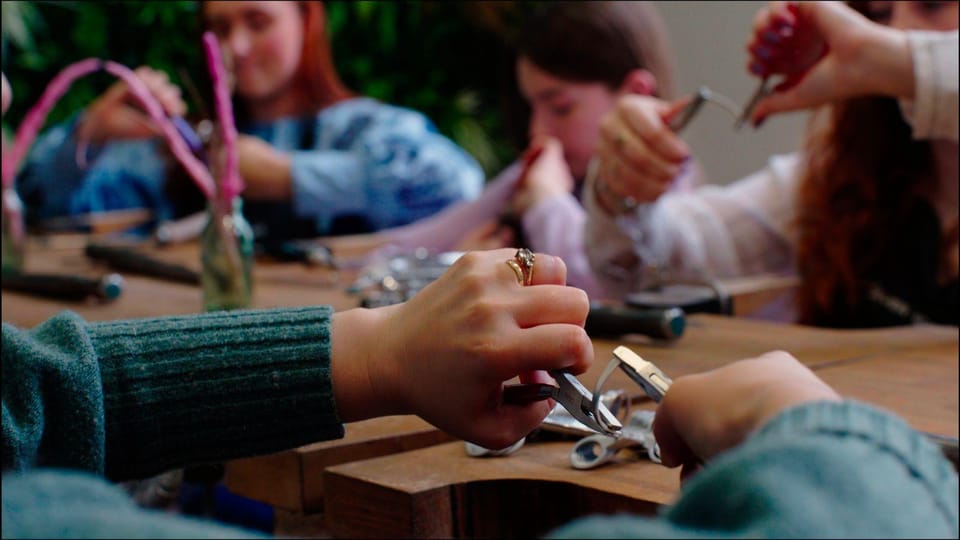
Once the basic shape is ready, you choose from three different textures. The planishing hammer creates the surface effect, adding small marks that catch the light and give the silver a less ordinary finish.
You control the look by deciding how and where to use the hammer. A more even pattern can give the ring a tidy, regular appearance. A varied pattern may feel more handmade. The details of the three choices are explained in the class, so you do not need prior jewelry experience to choose.
This part is especially useful if you want a ring that does not look mass-produced. The metal may be standard sterling silver, but the hammer marks make each finished piece different. You can also choose the curve and final polish, so several people following the same process can leave with noticeably different rings.
The hammering is hands-on and satisfying, but it is not a heavy industrial task. The tutor shows you the technique and helps you work toward the surface you want. The small group size matters here, since you can ask for a closer look at the texture before committing to the entire band.
Polishing turns the work into jewelry
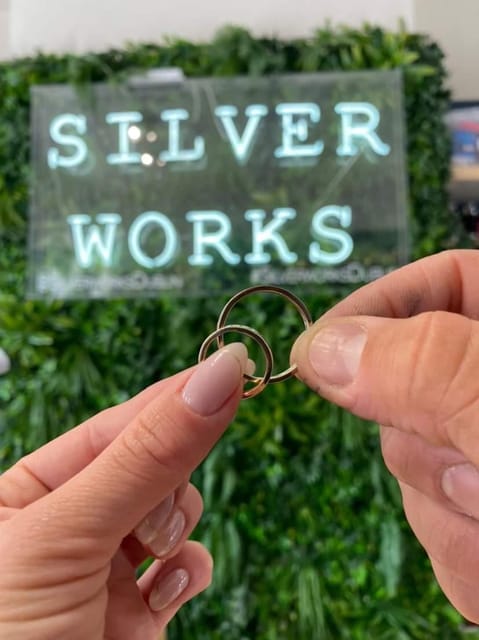
The last major choice is the polish. This affects how the silver catches light and how finished the ring appears. At this stage, you can see the combined result of your measuring, cutting, bending, filing, and texturing.
I like this sequence because every step has a visible purpose. The sawing sets the length. The mallet creates the circle. Soldering joins it. Filing improves comfort and shape. Hammering adds character. Polishing brings the whole piece together.
The final item is included in the price, so you do not pay separately for the basic ring you make during the class. Tea, coffee, and snacks are also included, which helps keep the two-hour session relaxed rather than purely technical.
The experience has received a top rating from 56 reviews, and the praise focuses on the same useful qualities: instructors who help when you get stuck, a comfortable pace, and pride in the finished ring. Kate is specifically praised for helping participants through difficult moments. That detail matters more than a generic promise of expert instruction, since hand tools and small corrections can make a beginner feel unsure.
A few more Dublin tours worth weighing up
- Dublin: Irish Music and Dance Show with Dance Lesson
★ 4.7 · 567 reviews - Dublin: Roe and Co Distillery Cocktail Workshop Experience
★ 4.9 · 489 reviews - Dublin: Jameson Distillery Whiskey Blending Class
★ 4.8 · 113 reviews - Irish Craic & Cuisine: Cooking Class & Dinner in Central Dublin
★ 5.0 · 80 reviews
Why the two-hour length works
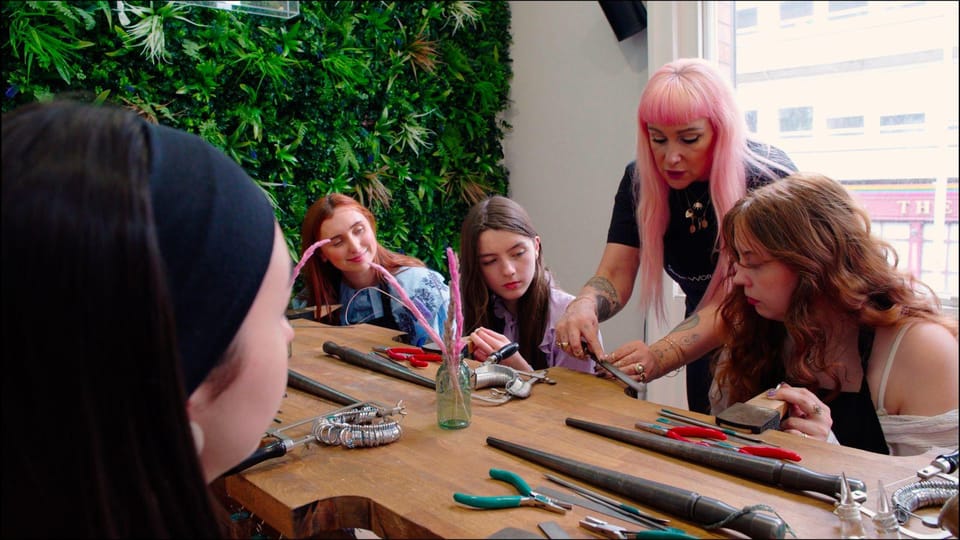
Two hours is long enough to give you a proper introduction to the process without taking over your day in Dublin. You get to work with the material through several stages, rather than spending the whole session on one decorative task.
It is also short enough to fit around sightseeing, shopping, or a meal in the city center. You should still leave plenty of time to arrive 10 minutes before the start. The workshop cannot accept people who arrive more than 10 minutes late, and this rule is especially important if you are coming from Dublin Airport.
The session is taught in English. You need a good level of English to follow the instructions, understand tool use, and make decisions about the ring. This is not a silent craft activity where you can simply copy the person beside you.
The pace appears designed for beginners. You get a clear progression and help throughout, but you should expect to participate rather than sit back. If you like making things and do not mind concentrating on handwork, two hours should feel well used. If you want a completely effortless souvenir, a jewelry shop will be easier.
Central studios on Georges Street and Drury Street
The Georges Street studio is above a bar called JT Pimms. Look for the black door to the right and press the buzzer for entry. This is the sort of arrival detail that is easy to miss, so save it before you set off and do not rely on finding a large street-level workshop sign.
There are two central locations available to book: Georges Street and Drury Street. Check the address on your booking carefully, since the meeting instructions differ by studio. The activity ends back at the meeting point, so there is no transport arrangement to plan after class.
Both studios have steep stairs. That limits access for wheelchair users and people with impaired mobility, and the activity is also listed as unsuitable for people with visual impairments. If any member of your group has access needs, check carefully before paying.
The city-center setting is convenient, but convenience does not remove the need to arrive early. Give yourself enough time to locate the correct door, use the buzzer, and settle in before the tools come out.
Is the $98 price good value?
At $98 per person, this is more expensive than buying a ready-made silver ring in many souvenir shops. The comparison is not quite fair, though. You are paying for sterling silver, a two-hour guided activity, an expert tutor, use of tools, and the individual ring you create.
The value is strongest if you care about the making process. You are learning how to cut, shape, file, texture, and polish metal, then taking the result home. The finished ring may not have the precision of a high-end jeweler’s piece, but it has something a shop-bought item cannot provide: you made it during your time in Dublin.
The price is also easier to justify for a couple, parent and child, or close friends who want an activity with a physical reminder at the end. Making two promise rings can turn the class into a meaningful shared event. For a solo visitor, the appeal depends on how much you enjoy hands-on crafts and personal souvenirs.
Watch the optional charges. Engraving costs €30 per ring and takes about 48 to 72 hours after the class. Gold plating costs €30 per ring and takes three weeks. Those time frames matter if you are leaving Dublin soon, particularly for the plating.
You can also upgrade the metal width. A 3mm band costs €10 extra, a 5mm band costs €12.50, and a 6mm band costs €15. These are optional additions, so the advertised price does not include them.
Who will enjoy this workshop most?
I would recommend it to you if you like practical activities, want a souvenir with a story, or prefer a small class to a standard sightseeing stop. It is a particularly good fit for couples who want matching or promise rings, families with children over 10, and friends looking for something more personal than a pub visit.
It also suits a short Dublin stay. You do not need to give up an entire day, and the central studios make it possible to place the class between other plans. The small group can help the experience feel more personal than a large craft demonstration.
You may want to skip it if you dislike fine handwork, need step-free access, or have limited English. The class includes sawing, hammering, filing, and careful shaping. That is the appeal, but it also means you need to stay engaged and follow instructions.
The workshop is not suitable for children under 10. Anyone under 16 needs a paying guardian, so check the ages and adult arrangements before booking a family session.
A practical plan for your visit
Book a starting time that leaves a generous buffer before your next commitment. Arrive 10 minutes early, especially if you are unfamiliar with the street or traveling from the airport. Late flights are a poor match for this activity because transfers are not provided and late attendees cannot be accepted beyond the stated limit.
Wear something that lets you work comfortably with your hands. The supplied details do not specify a dress code, so I would simply avoid clothing that you would worry about during a workshop involving metal tools and polishing.
Think about the ring before you arrive. Decide which finger you want to use and consider if you prefer a simple surface or a more marked handmade texture. You do not need a complete design, but having a rough idea can make the choices easier once the class begins.
If you want engraving, ask about it during the workshop and allow 48 to 72 hours for completion. Gold plating takes about three weeks, so it is not a practical extra for most short visits unless the finished ring can be collected or sent through an arrangement confirmed with the provider.
The activity offers free cancellation up to 24 hours in advance, and you can reserve now and pay later. That gives you some flexibility if your Dublin plans are still moving around, but it does not change the need to arrive on time once the session is booked.
Should you book the Georges Street ring workshop?
Book it if you want a useful souvenir and enjoy the satisfaction of making something from a plain piece of material. The strongest reasons are the small group, the clear series of techniques, the chance to choose the ring’s shape and texture, and the included finished piece.
I would choose it over a standard souvenir stop for a birthday, anniversary, promise-ring idea, or family activity. The $98 price is fair for the guided work and materials, though optional engraving, plating, and wider bands can add to the bill.
Check the stairs, English requirement, age rules, and meeting address before booking. If those fit your group, this is a focused and memorable way to spend two hours in central Dublin.
FAQ
How long does the silver ring workshop last?
The workshop lasts two hours. Starting times vary, so check availability when booking.
Where does the Georges Street workshop meet?
The Georges Street studio is above JT Pimms. Use the black door to the right and press the buzzer for entry.
Is the Drury Street studio also available?
Yes. Silver Works offers two central locations, Georges Street and Drury Street. Check which studio you booked before setting out.
What is included in the price?
The forging workshop, an expert tutor, your individual ring, tea or coffee, and snacks are included.
Can I add engraving or gold plating?
Yes. Engraving costs €30 per ring and takes about 48 to 72 hours after the class. Gold plating costs €30 per ring and takes three weeks.
Is the workshop suitable for children?
Children over 10 can attend. Anyone under 16 must be accompanied by a paying guardian.
Is the workshop accessible for wheelchair users?
No. Both studios have steep stairs and are not suitable for wheelchair users or people with impaired mobility. The activity is also listed as unsuitable for people with visual impairments.
Just added around Dublin
- Dublin: Pub Tour. Pour The Perfect Guinness, Whiskey & Music★ 5.0 · 3 reviews
- A Self Guided Walking Tour of Dublin’s Docklands★ 4.5 · 3 reviews
- Private Dublin City tour★ 5.0 · 3 reviews
- Dublin One Day Tour with a Local: 100% Personalized & Private★ 4.5 · 3 reviews
- Waterford Crystal and Kilkenny Full-Day Rail Tour from Dublin★ 5.0 · 3 reviews
- 5 Day Ireland’s South−East Including Admission from Dublin★ 4.5 · 3 reviews
- Turtle Bunbury’s Dublin: A Self-Guided Audio Tour from a Celebrated Author★ 5.0 · 3 reviews
- Secret and unusual Dublin: guided walking tour★ 5.0 · 3 reviews
Dublin Craft Workshops, compared.

Dublin Jewellery Forge a Hammered Silver Ring: Drury Street
Read our review →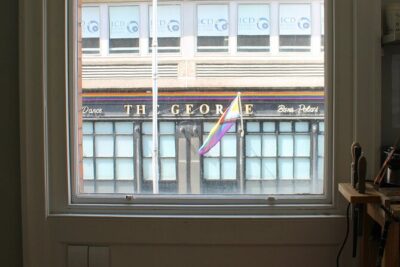
Dublin Jewellery Forge a Hammered Silver ring:Georges Street
Read our review →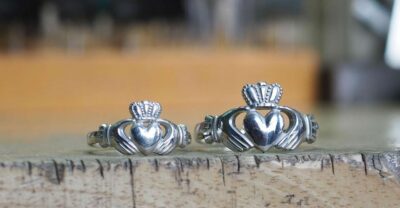
Browse the lists this tour appears in