
Reviewed · DUBLIN
Windmill Lane Recording Studios – Visitor Experience
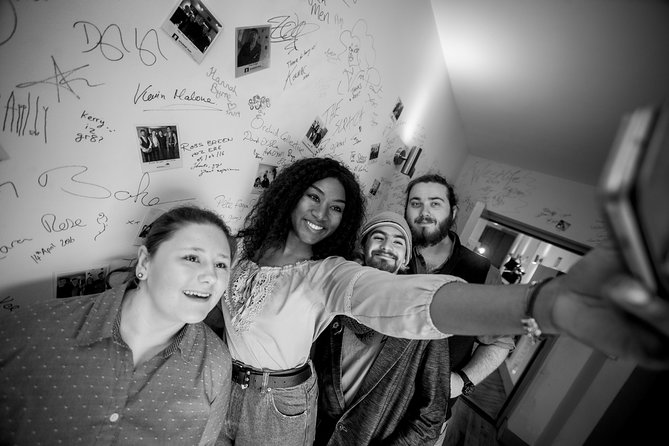
Windmill Lane Recording Studios lets you see where music is made, not just where music history is displayed. In about an hour, you’ll walk through working studio spaces, hear stories about artists who recorded here, and try the controls yourself during a hands-on mixing session.
I like the small maximum group of 15, which gives the guide room to answer questions. I also like the mix of old-school gear, including the much-admired Neve analog board, with newer recording technology. The main thing to consider is location: the studio is outside the core sightseeing zone, though it’s a straightforward 20 to 30 minute walk from Trinity College.
In This Review
- Key points to know before you book
- Why Windmill Lane feels different from a standard Dublin attraction
- Inside a working recording studio in Dublin
- Three studios and the story behind the sound
- What a recording session actually involves
- Meet the virtual band and mix your own session
- The value of the $31.44 ticket
- Getting to Ringsend and planning your visit
- Who will get the most from this hour
- A few practical expectations
- Should you book Windmill Lane Recording Studios?
- FAQ
- Where does the Windmill Lane Recording Studios tour begin?
- Where does the experience end?
- How long does the tour last?
- How much does the tour cost?
- Is advance booking required?
- What language is the tour offered in?
- How many people can join the tour?
- Can I cancel for a refund?
Key points to know before you book
- You visit a working studio: This is an active recording facility, so advance booking is essential and access can depend on studio use.
- You get more than a talk: The tour includes sound demonstrations, a virtual band, and the chance to mix your own session.
- You see three studios: The spaces offer a look at different parts of the recording process.
- You hear artist stories: The guide explains the studio’s role in Dublin’s music scene and the musicians who have worked there.
- You pay for a focused hour: At $31.44 per person, the price is reasonable for a small, interactive experience, especially if music is a major interest.
- You finish where you started: The tour begins and ends at 20 Ringsend Road in Dublin 4.
Why Windmill Lane feels different from a standard Dublin attraction
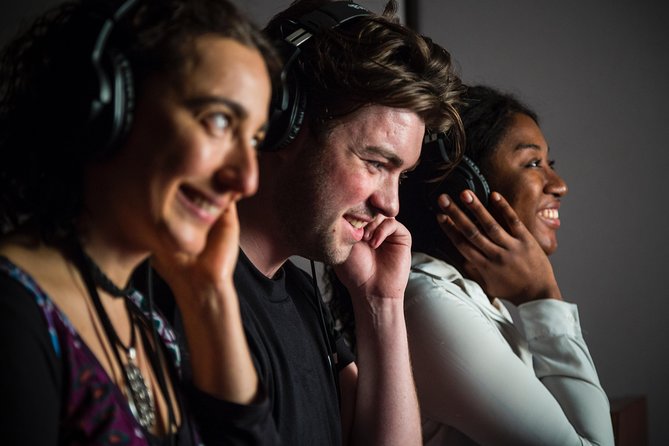
Many music attractions focus on costumes, photographs, or famous names. Windmill Lane gives you a look at the machinery and decisions behind a finished record. You are not simply reading about musicians who passed through Dublin. You are standing in rooms designed for recording, listening to how sound can be shaped, and handling part of the process yourself.
That makes the tour useful even if you cannot tell a compressor from a microphone. The guide explains the technical side in plain terms, then shows you what those tools do. If you already make music, play an instrument, or enjoy studio albums as much as live concerts, you’ll have plenty to think about.
The setting also adds a local angle to a Dublin visit. Ringsend is not the usual first stop for a sightseeing day, and the walk from Trinity College takes you away from the most crowded central streets. You’ll see a less polished, more ordinary part of the city on the way to a place with a major role in Irish and international music.
Other Dublin tours people book alongside this one:
- Dublin to Cliffs of Moher, including Wild Atlantic Way and Galway
★ 5.0 · 23,331 reviews - From Dublin: Cliffs of Moher, Burren & Galway City Day Tour
★ 4.8 · 18,888 reviews - Dublin: Guinness Storehouse Entry Ticket
★ 4.6 · 16,863 reviews
Inside a working recording studio in Dublin
The experience begins at 20 Ringsend Road, Dublin 4, where you meet your guide and enter the studio. Since Windmill Lane remains a working recording facility, this is not a museum arranged entirely for public access. That is part of the appeal, but it also explains why booking ahead matters.
The tour lasts about one hour. That is enough time to move through the main spaces without turning the visit into a long technical lecture. The group limit of 15 keeps the experience fairly intimate, though the exact feel will depend on how many people book your time.
Guides can vary. Maria has been praised for handling both music-industry questions and the practical details of recording. Marie has also led tours, and Ross is known for an enthusiastic approach. Naomi, one of the owners, sometimes welcomes or guides visitors as well. You should not assume one particular guide will lead your session, but the range of staff experience is a plus.
Three studios and the story behind the sound
A central part of the visit is seeing the three different studios. Each room helps explain how recording spaces serve different purposes, from capturing performances to shaping the final sound. You get a sense of scale, equipment, and the care that goes into a professional session.
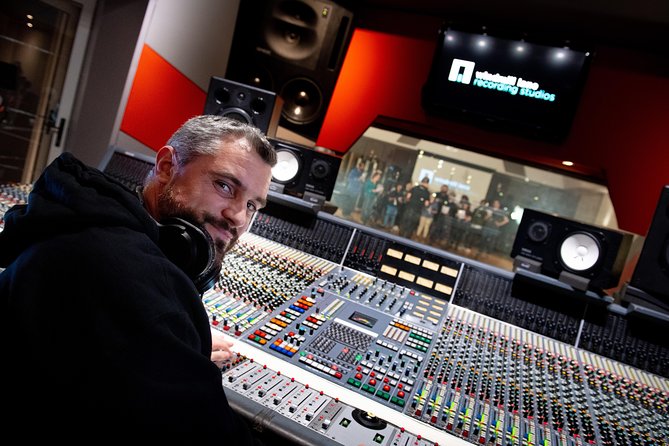
Studio 1 receives special attention. The large mixing board is an object of fascination in its own right, especially for anyone who likes the physical side of audio work. The Neve analog console has the look and presence of serious recording equipment, and the guide explains why this type of board matters.
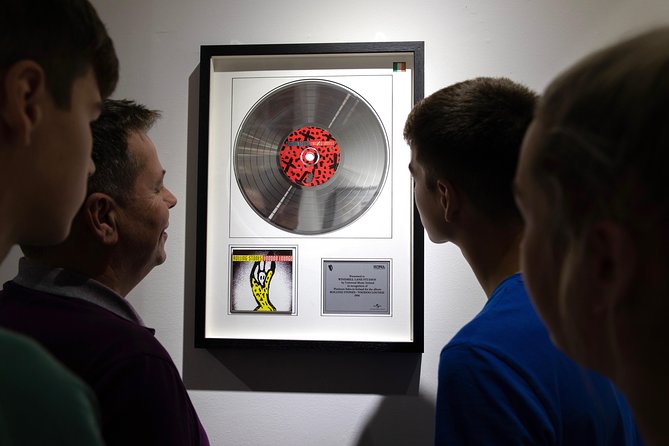
You’ll also hear about the musicians and bands connected with Windmill Lane. The stories give the rooms some context without requiring you to be an expert in every artist mentioned. The studio has hosted major names from rock and popular music, and the guide may connect the equipment or rooms to specific recording moments.
Those stories are strongest when paired with the physical surroundings. Hearing that an important artist recorded in a studio is interesting. Looking at the same room, the console, and the equipment used to shape sound gives the fact more weight.
The tour does not promise that you’ll see a famous musician at work. This is a real studio, so there may be professional sessions taking place, but the focus is the guided visitor experience. Keep your expectations centered on the rooms, the equipment, and the people who explain how the studio operates.
What a recording session actually involves
The tour’s most useful section explains how a recording session works. You learn how sound moves from performance to microphones, through the studio equipment, and into a finished mix. The guide uses demonstrations rather than relying only on verbal explanation.
This helps bridge the gap between listening to music and understanding production. A song may sound simple when you hear it through headphones, but the recording process involves choices about balance, tone, timing, effects, and the relationship between separate tracks. Windmill Lane gives you a practical look at those choices.
A sound demonstration is included as part of the visit. It shows how sound affects what you hear and how the studio can control or alter that experience. For a technically minded visitor, this may be the best part of the tour. For everyone else, it adds a clear sensory element and keeps the visit from becoming a history lesson.
I would pay close attention during this section, even if you do not plan to become a record producer. It explains why two versions of the same performance can feel completely different. You begin to hear music as a constructed piece of work, not only as a live performance captured by a microphone.
A different side of Dublin on the same trip:
- Dublin to Cliffs of Moher, Burren, Wild Atlantic Way, Galway Tour
★ 5.0 · 12,924 reviews - Dublin: Giants Causeway, Dark Hedges, Dunluce & Belfast Tour
★ 4.8 · 8,843 reviews - Dublin to Belfast Black Cab, Dunluce Castle and Giant’s Causeway
★ 5.0 · 7,954 reviews - Kilkenny, Wicklow Mountains & Glendalough Day Tour from Dublin
★ 5.0 · 7,897 reviews
Meet the virtual band and mix your own session
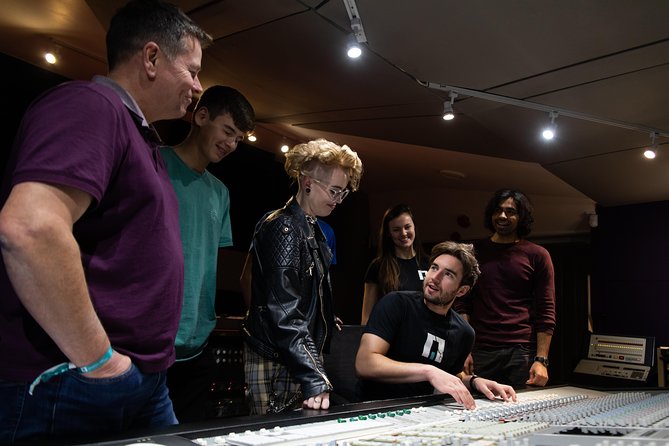
The virtual band is one of the tour’s playful features. It helps show how separate musical parts can be brought together and adjusted. You get a visual and practical way to understand the relationship between performers, tracks, and the final mix.
Then comes the part many people remember most: mixing your own session. You are allowed to work with the controls and make changes rather than simply watching a staff member demonstrate them. That hands-on step gives the tour a sense of participation that many studio visits lack.
You should not expect to produce a finished radio single in an hour. The point is to understand the basic choices a producer or engineer makes. You may adjust levels, bring different parts forward, or hear how the balance changes when one element is reduced.
For children and families, this is likely to be more engaging than a long talk about recording equipment. Teenagers with an interest in music production may appreciate the chance to handle the process. Musicians can focus on the technical details, while casual listeners can simply enjoy hearing a mix change under their control.
The activity also works well for mixed-interest groups. If one person in your party is a serious music fan and another is only mildly interested, the interactive sections give both of you something to do. You do not need formal musical training to take part.
The value of the $31.44 ticket
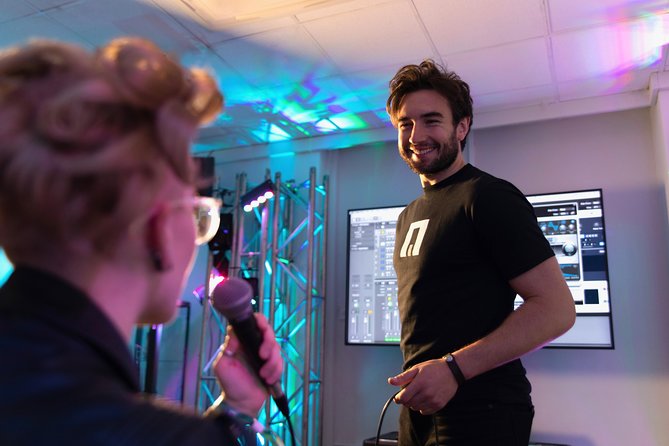
At $31.44 per person, this is not a bargain-bin attraction, but the price compares well with other specialized Dublin experiences. You are paying for about an hour with a guide, access to a working facility, equipment demonstrations, and hands-on activities.
The value depends heavily on your interests. A person who only wants a quick photo outside a famous music building may find the ticket costly. Someone who enjoys recording, music technology, rock history, or the craft behind albums is likely to get more from it than from a basic sightseeing stop.
The small group limit matters here. A 15-person maximum is not the same as a private tour, but it is far better than being one face in a large crowd. You have a better chance to hear the guide, look closely at the equipment, and ask a question during the technical sections.
The tour also fills a useful gap in a Dublin schedule. It takes only an hour, so you can fit it between larger activities. Add the walk from central Dublin, and you should allow roughly two hours for the full outing if you are starting near Trinity College.
Getting to Ringsend and planning your visit

The meeting point is 20 Ringsend Road, Dublin 4. It is near public transportation, and the studio can also be reached on foot from the Trinity College area. One practical advantage of walking is that you get a look at a part of Dublin that many short city breaks skip.
Do not leave this until the last minute. Because the building is used for active recording work, advance booking is essential. The experience is often reserved well ahead of the visit date, so choose your time before your Dublin schedule fills up.
You receive confirmation at booking, and the ticket is mobile. The tour is offered in English. The activity ends back at the same meeting point, which makes it easy to plan your next stop without arranging a separate return transfer.
The provider advises a moderate level of physical fitness. The information supplied does not give a detailed list of stairs, walking distances inside the building, or seating arrangements, so contact the provider directly if those details matter to you. Service animals are allowed.
Free cancellation is available up to 24 hours before the scheduled start time for a full refund. Changes or cancellations made inside that 24-hour window are not accepted for a refund, with cut-off times based on local Dublin time.
Who will get the most from this hour
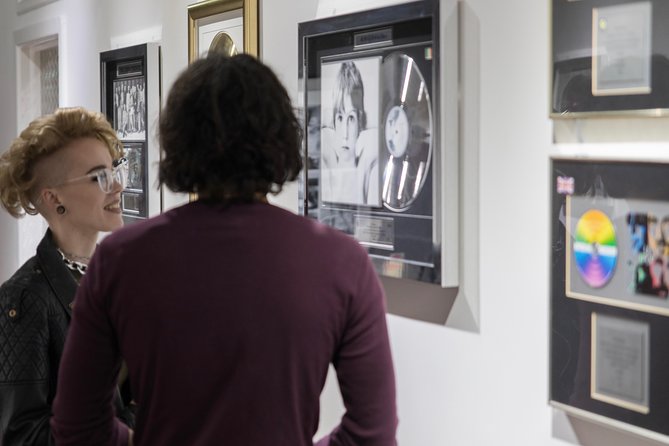
I would put this tour near the top of the list for:
- People who play instruments, sing, compose, or produce music
- Fans of rock and popular music
- Visitors curious about recording technology
- Families looking for an activity with something to do, not just something to see
- Couples or friends with different levels of music knowledge
- Anyone seeking a Dublin experience beyond the usual central attractions
You do not need to recognize every artist connected with the studio. The guide covers the process as well as the names, so a general interest in how music is made is enough.
The tour may be less suitable if you want a long, detailed study of one band or album. It also may not satisfy someone hoping to watch a full recording session in progress. Windmill Lane is a working studio, but the scheduled visitor experience centers on the building, its history, demonstrations, and mixing activity.
A few practical expectations
Bring questions. The guides are prepared to discuss both the cultural side of the studio and the technical side of production. Maria, in particular, has a background in composition and engineering, which can make a difference if your group wants to ask detailed questions about sound.
Leave room for photographs, but remember that studio work requires a professional environment. The experience includes photo opportunities, yet access can be shaped by ongoing use of the building. Follow the guide’s instructions around equipment and active rooms.
The small gift shop is a modest extra rather than a reason to visit. It has a selection of music-themed items, so you may find a useful souvenir for a friend who likes rock and recording culture.
Most important, treat this as an active workplace with a public tour attached. That is why the visit feels more authentic than a room filled only with old objects, but it also means the schedule and access rules deserve respect.
Should you book Windmill Lane Recording Studios?
Book it if you want to understand what happens between a musician’s performance and the record in your headphones. The combination of studio history, famous names, real equipment, sound demonstrations, and hands-on mixing gives you a lot to do in one compact hour.
I especially recommend it for music fans who have already seen Dublin’s major landmarks and want something more specific. The Ringsend location takes a little planning, but the walk from Trinity College is manageable and adds a different side of the city to your day.
Skip it only if your Dublin schedule is packed with essential sights, or if you have little interest in music, audio, or the making of records. For everyone else, $31.44 buys access to a place that still does real work, plus the chance to feel like a producer for a few minutes.
FAQ
Where does the Windmill Lane Recording Studios tour begin?
The tour begins at 20 Ringsend Road, Dublin 4, D04 CF66, Ireland.
Where does the experience end?
The activity ends back at the meeting point on 20 Ringsend Road.
How long does the tour last?
The experience lasts approximately one hour.
How much does the tour cost?
The listed price is $31.44 per person.
Is advance booking required?
Yes. Windmill Lane is a working recording studio, so advance booking is essential.
What language is the tour offered in?
The tour is offered in English.
How many people can join the tour?
The maximum group size is 15 people.
Can I cancel for a refund?
You can cancel up to 24 hours before the experience start time for a full refund. Cancellations or changes made less than 24 hours before the start time are not accepted for a refund.
Just added around Dublin
- Dublin: Pub Tour. Pour The Perfect Guinness, Whiskey & Music★ 5.0 · 3 reviews
- A Self Guided Walking Tour of Dublin’s Docklands★ 4.5 · 3 reviews
- Private Dublin City tour★ 5.0 · 3 reviews
- Dublin One Day Tour with a Local: 100% Personalized & Private★ 4.5 · 3 reviews
- Waterford Crystal and Kilkenny Full-Day Rail Tour from Dublin★ 5.0 · 3 reviews
- Secret and unusual Dublin: guided walking tour★ 5.0 · 3 reviews
- 5 Day Ireland’s South−East Including Admission from Dublin★ 4.5 · 3 reviews
- Turtle Bunbury’s Dublin: A Self-Guided Audio Tour from a Celebrated Author★ 5.0 · 3 reviews