
Reviewed · 5-DAY EXPERIENCES
Ireland’s North Atlantic Coast 5-Day Tour from Dublin
The Giant’s Causeway is only one part of this five-day journey. The real pleasure is the steady change of scenery, from Belfast’s shipbuilding past and the Antrim coast to Donegal’s remote shore, Achill Island, Connemara, and Galway. You cover a remarkable slice of Ireland without changing hotels every night.
I like the small 16-person group, which gives you a better chance to hear your guide and ask questions. I also like the mix of famous sights and quieter places, especially Donegal, Achill Island, and the rural roads around Mayo. The main drawback is the pace: you spend long hours on winding roads, and the B&Bs can sit 20 to 30 minutes from pubs and restaurants. Some properties also have no lift.
In This Review
- Key points to know
- Why this five-day route works
- Belfast begins with ships, politics, and hard questions
- The Antrim Coast leads to the Giant’s Causeway
- Derry and Donegal bring a different Ireland
- Ancient tombs and Benbulben on the road to Mayo
- Achill Island gives the coast room to breathe
- Westport and Connemara depend on the weather
- Cong, Galway, and whiskey finish the journey
- What the guide adds to the experience
- B&B comfort, walking, and extra costs
- Should you book this coastal tour?
- FAQ
- Where does the tour meet in Dublin?
- How many people can join the tour?
- What accommodation is included?
- Are meals and attraction fees included?
- Is the tour available in languages other than English?
- What time does the tour return to Dublin?
Key points to know
- Giant’s Causeway and the Antrim Coast: See Northern Ireland’s best-known coastal formations after a day in Belfast.
- A genuine Donegal experience: Travel through Glenveagh, the Errigal Mountains, fishing villages, and Gaelic-speaking areas.
- Achill Island at Europe’s edge: Expect open moors, rugged sea views, and a strong sense of distance.
- Four nights in local B&Bs: Accommodation is personal and practical, but not hotel-like, and may require stairs.
- An English-speaking driver-guide: Guides such as Gabriel have been praised for storytelling and insight into Irish history and culture.
- A wide-ranging final day: Cong, Connemara, Galway, and Kilbeggan Distillery make for a full finish before the return to Dublin.
Why this five-day route works
At $1,240 per person, this is not a budget bus trip. The price includes four nights of bed-and-breakfast accommodation, transportation in a top-of-the-range 16-seat Mercedes minicoach, and a driver-guide. Meals, refreshments, and entry fees are extra, so you need to allow more for the Titanic Belfast museum, HMS Caroline, Kylemore Abbey, Carrowmore if open, the Quiet Man Museum, and Kilbeggan Distillery.
Still, the route covers a lot of ground. You reach Northern Ireland, the northwest of the Republic of Ireland, the Atlantic coast, Connemara, Galway, and central Ireland without arranging trains, rental cars, parking, or several separate overnight stays. I see the price as reasonable for visitors who value a guided route and want to spend their time looking out the window rather than managing roads and directions.
The key tradeoff is comfort versus range. A 16-seat minicoach is much more intimate than a large coach, but you will still spend substantial time seated. Ireland’s coastal roads are part of the appeal, yet they are often winding, so this suits you best if you enjoy scenery and stories more than a relaxed, resort-style break.
A few more Dublin tours worth weighing up
- Dublin to South West 5 Day Small-Group Tour with Accommodation
★ 5.0 · 161 reviews - 5-Day Northern Ireland and Atlantic Coast Small-Group Tour from Dublin
★ 5.0 · 38 reviews - From Dublin: 5-Day Tour to the Southwest with Accommodation
★ 4.9 · 20 reviews
Belfast begins with ships, politics, and hard questions
The first day starts in Dublin and heads north to Belfast. A short city tour introduces Belfast’s industrial past and the difficult period known as the Troubles. The city is not treated as a simple sightseeing stop. You get a quick sense of its triumphs, tragedies, and modern identity before moving on.
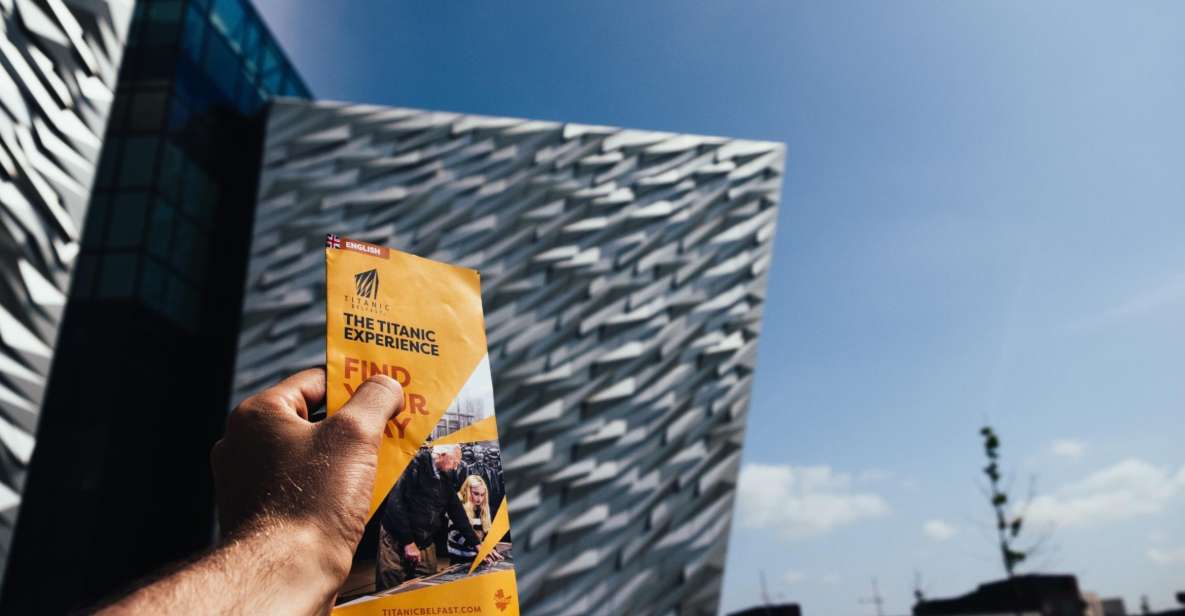
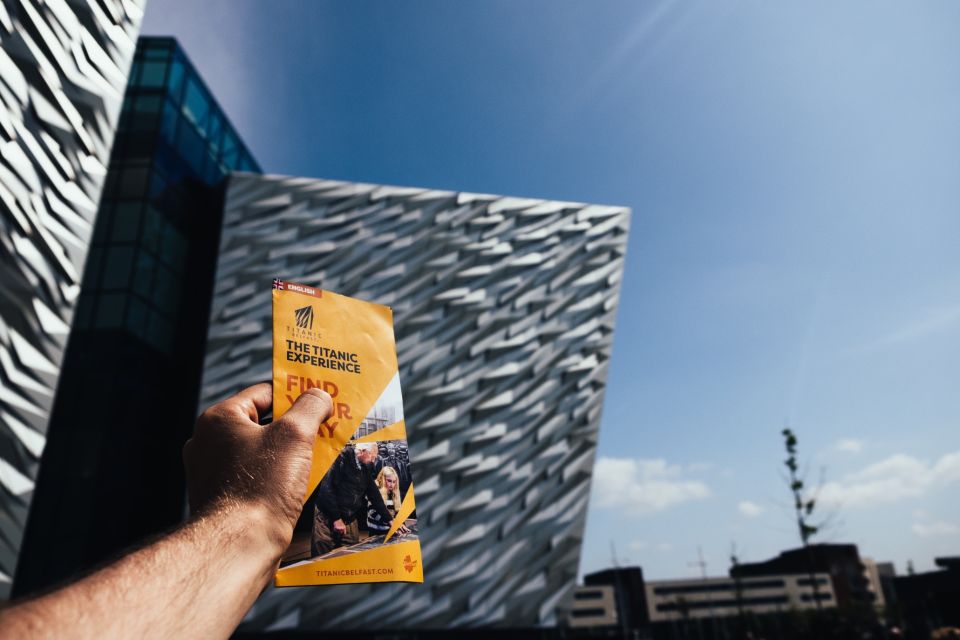
The Titanic Quarter gives you a choice. You can visit Titanic Belfast, explore the shipyard story, or board HMS Caroline. You can also use the free time for a black cab tour. Each option has a different feel. Titanic Belfast is the more polished museum experience, HMS Caroline gives you a chance to step aboard a historic vessel, and a black cab tour focuses more directly on the city’s divided past and political murals.
Because the schedule includes lunch and several possible activities, check attraction opening times and admission costs before you go. Entry fees are not included, and you may not have time to do everything. I would choose one main Titanic Quarter activity rather than trying to race through all three.
The Antrim Coast leads to the Giant’s Causeway
After Belfast, the road follows the Antrim Coast and Glens, an Area of Outstanding Natural Beauty. This is one of the day’s strongest stretches because the scenery arrives continuously: winding roads, coastal views, and deep glens rather than one isolated lookout.
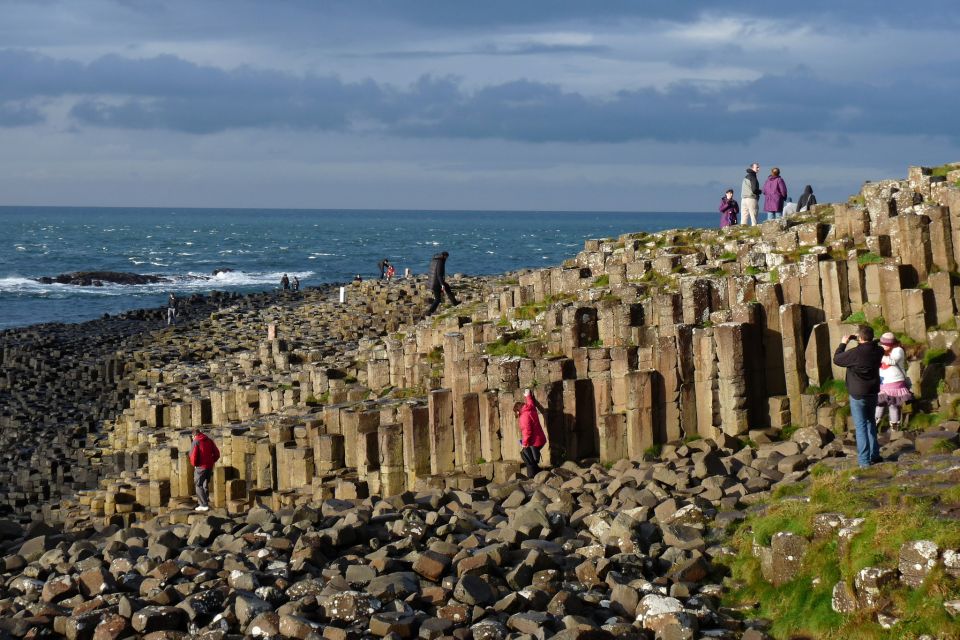
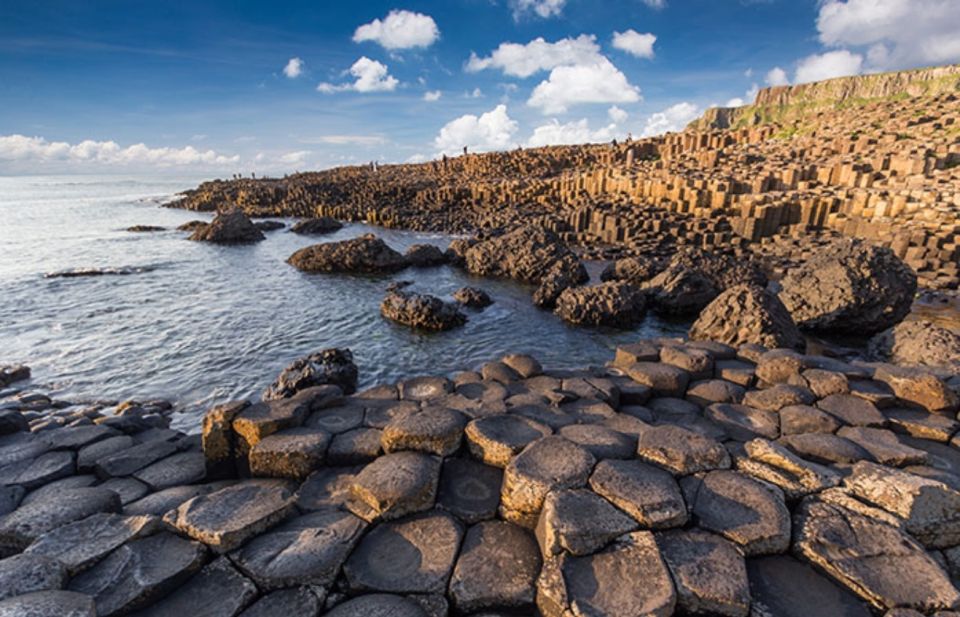
The Giant’s Causeway is the headline stop. Its dark basalt columns form a strange, orderly shoreline that looks almost built by hand. The site also carries the old story of the giant Finn McCool, so your guide can connect the geology with Irish legend. That combination gives the stop more character than a quick photo break.
You should wear shoes with a secure grip and bring a waterproof layer. The coast can feel exposed, and the ground is not the place for delicate footwear. The exact amount of time at the Causeway is not stated, so listen for your guide’s instructions and allow time to walk out, look around, and return to the minicoach.
Portrush is your base that night. This seaside resort and fishing village is a pleasant change from the road, though the accommodation may be on the outskirts. If your B&B is 20 to 30 minutes from the center, plan your evening around that walk.
Derry and Donegal bring a different Ireland
Day two starts with Derry, a walled city with a compact old center. You have free time to explore museums, galleries, and the historic streets. The walls give you an easy way to understand the shape of the city, while the museums can add more detail if you want context beyond the quick guided introduction.
This stop works well because it lets you set your own pace. You might prefer a museum, a gallery, or simply time in the old center before the group moves on. It is also one of the few parts of the trip where you get a more open block of independent time.
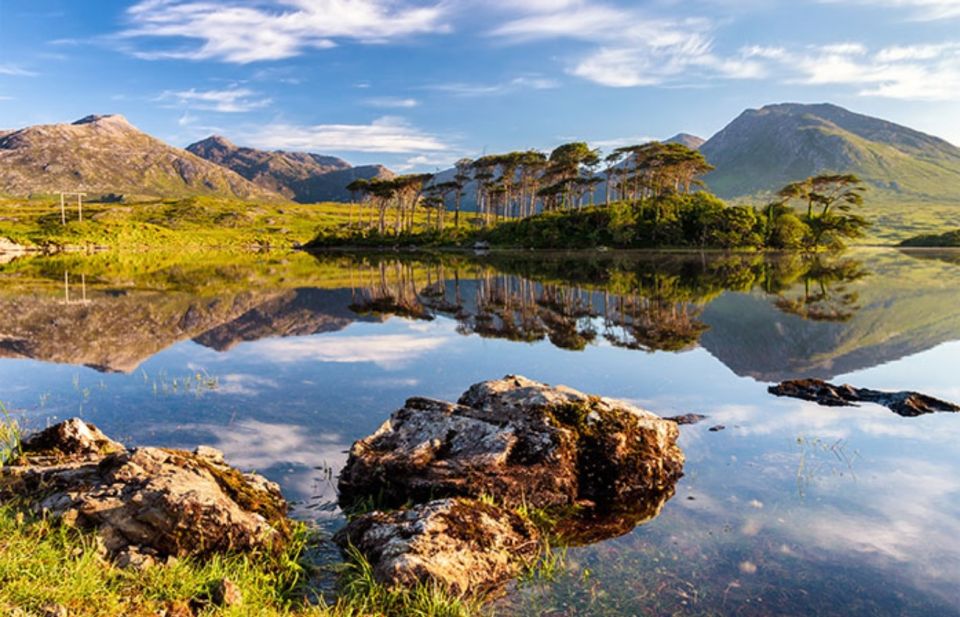
After Derry, you cross into the Republic of Ireland and head toward Donegal. The shift is noticeable. The roads become quieter, the settlements smaller, and the scenery more open. You pass through Glenveagh National Park and near the Errigal Mountains, then follow the coast through traditional fishing villages.
Donegal is one of the tour’s most valuable stops for anyone who wants more than Ireland’s best-known attractions. The area is closely linked with Gaelic culture, and the route gives you room to see how that culture fits into everyday coastal life. Nature walks are included along the way, but the length and difficulty are not specified, so ask your guide what is planned if you need to judge the walking.
You stay overnight in Donegal. As with the other B&Bs, this is locally owned accommodation rather than a standardized chain hotel. That can mean more local character, but also more variation in room size and facilities. All rooms are en suite.
A different side of Dublin on the same trip:
- Dublin to Cliffs of Moher, including Wild Atlantic Way and Galway
★ 5.0 · 23,331 reviews - From Dublin: Cliffs of Moher, Burren & Galway City Day Tour
★ 4.8 · 18,888 reviews - Dublin: Guinness Storehouse Entry Ticket
★ 4.6 · 16,863 reviews - Dublin to Cliffs of Moher, Burren, Wild Atlantic Way, Galway Tour
★ 5.0 · 12,924 reviews
Ancient tombs and Benbulben on the road to Mayo
On day three, the minicoach turns south toward County Sligo. Benbulben provides one of the route’s most recognizable mountain views, rising sharply above the surrounding countryside. You do not need a strenuous hike to appreciate it, since the drive itself gives you changing views of the mountain.
Near Sligo Town, Carrowmore contains Ireland’s largest collection of megalithic tombs, with some monuments dating back more than 6,000 years. This is an important counterpoint to the coastal scenery. Instead of looking at Ireland as a place of castles and church ruins alone, you see evidence of communities from a far older period.
Carrowmore was scheduled for temporary closure from August 31, 2024, until spring 2025 for renovations. During that period, the site cannot be visited, and the tour arranges another stop or gives you extra time elsewhere. If you are booking during a similar closure, confirm the current plan so you know what this part of the day will include.
The road then continues into County Mayo, where the story turns to the Great Potato Famine. Farmland, bogs, open moors, distant hills, and the Atlantic coast fill the windows. This is a quieter section, and I would not treat it as empty time. It is the kind of route where the guide’s explanation helps you read the land and understand why Mayo feels so exposed.
Achill Island gives the coast room to breathe
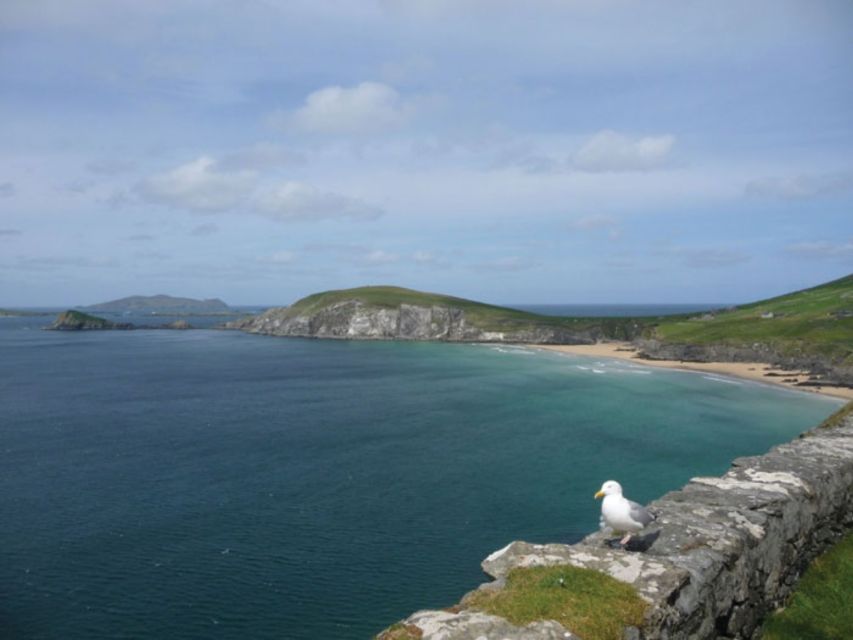
Achill Island is one of the trip’s most memorable places. The route takes you toward the edge of Europe, where rugged sea views and open ground create a strong feeling of distance. The attraction is not a single monument. It is the combination of rough coast, quiet scenery, and the sense that the island has not been arranged for sightseeing.
This is also where weather matters most. Wind, rain, and cloud can change what you see, so pack layers and keep a waterproof jacket handy. You may find the stop especially rewarding if you prefer open coastal views to busy attractions.
After Achill, you make a short drive to Westport, your base for two nights. Two nights in one town are welcome after several long days. You can spend the evening at leisure and choose a local restaurant, with seafood a natural option. The main practical issue remains the location of the B&B. If it is outside town, ask about the walking distance before settling into your evening plans.
Westport and Connemara depend on the weather
Day four is deliberately flexible. Your guide decides which sights make the most sense in the conditions. That is a sensible approach in western Ireland, where cloud and rain can either soften the views or hide them altogether.
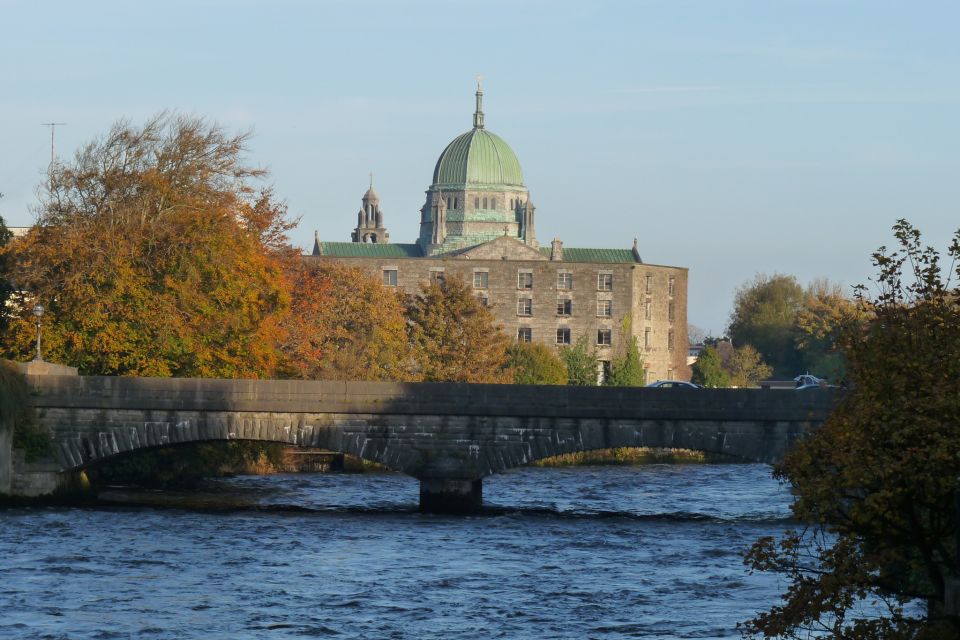
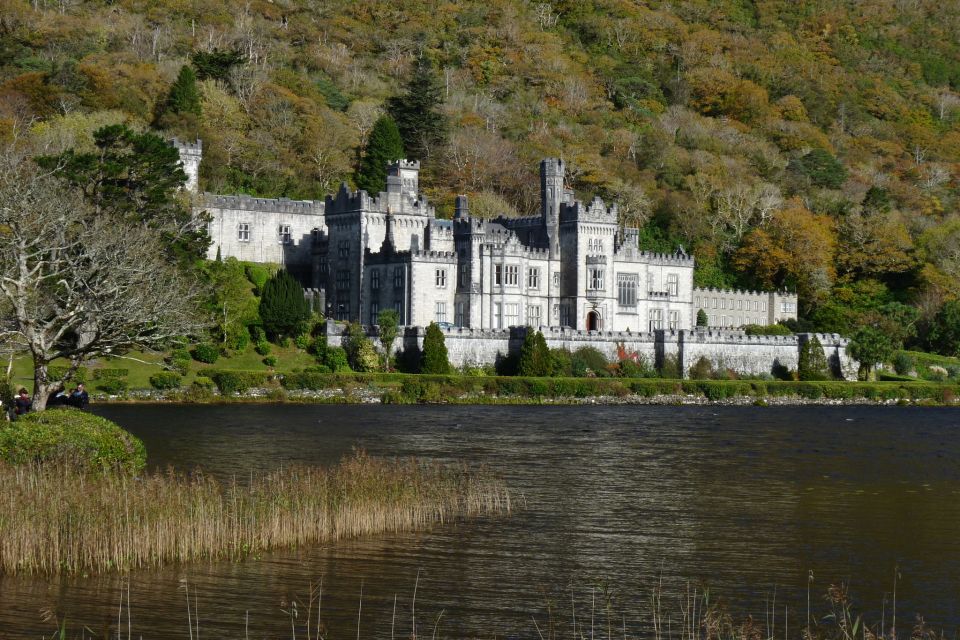
One possible choice is Kylemore Abbey, known for its attractive house and grounds. Another is Connemara National Park, where the appeal is open wilderness rather than a single building. You might also visit Clifden, linked with the first transatlantic flight, or take the scenic Sky Road with views toward the Twelve Bens of Connemara.
This flexibility is a strength, but it means you cannot assume you will see every named option. If Kylemore Abbey matters most to you, ask early in the day whether it is on the plan. If the weather is clear, the Sky Road and Twelve Bens may offer the best payoff. If visibility is poor, a house, grounds, or town stop may be more satisfying.
You return to Westport for another evening. This is a good point in the itinerary to slow down, eat well, and rest. The tour gives you a chance to enjoy the town rather than simply sleep there and leave before breakfast.
Cong, Galway, and whiskey finish the journey
The final day begins leisurely, then heads inland through Connemara. Cong sits beside Lough Corrib and is known as the filming location for the classic movie The Quiet Man. You can visit Cong Abbey or the Quiet Man Museum, depending on the day’s arrangement and your interests.
Cong works best as a compact cultural stop. The abbey gives you historic atmosphere, while the museum focuses on the film connection. If you have never seen The Quiet Man, the village still provides a useful pause before the next drive through Maam Valley.
Galway comes next, with free time to sample seafood and explore the city at your own pace. The time is limited, so do not expect to cover every part of Galway. Use it for a meal, a short walk, and a feel for the city before the final stop.
Kilbeggan Distillery is Ireland’s oldest licensed distillery. The visit includes a tasting and museum stop, giving the last day a clear finish rather than ending with only another scenic drive. Tasting is not the same as a full meal, so plan your food earlier in Galway.
The return to Dublin is expected at about 19:00. That makes the tour unsuitable for a Dublin dinner reservation, airport transfer, or evening event with a tight start time. Leave the final night open.
What the guide adds to the experience
A good guide matters greatly on a route like this because many hours are spent between stops. You are not simply being delivered to viewpoints. You are hearing about Belfast, Irish history, local culture, the famine, Gaelic communities, film locations, and the stories attached to the coast.
Gabriel has received particularly strong praise for his storytelling, his understanding of Irish history and heritage, and his ability to keep the five days informative and enjoyable. If he is leading your departure, expect a guide who can add context during the long drives as well as at the main sights. Guide assignments can vary, so do not book solely on the assumption that a particular person will lead your trip.
The small group helps here. With no more than 16 passengers, the atmosphere should feel more personal than a large coach tour. You can ask questions and hear instructions without the distance that often separates a guide from the back row.
B&B comfort, walking, and extra costs
The accommodation is made up of small, locally owned guesthouses and B&Bs. Every room is en suite, but standards can vary from one property to another. One stay in Westport was described as below expectations, so I would approach the lodging as practical rather than luxurious.
B&Bs may be on the outskirts of town. Be prepared for a 20 to 30 minute walk to pubs, restaurants, and other facilities. That is manageable for many people, but less convenient after a full day on the road or in bad weather.
There are no lifts at these properties, so tell the operator in advance if stairs are difficult. Children under five cannot join the tour.
The advertised price does not cover meals, drinks, or attraction admission. Budget separately for the museums and optional visits you choose. The tour is best value if you want the convenience of transport and a guide, and if you would otherwise need to pay for a rental car, accommodation, and route planning on your own.
Free cancellation is available up to 14 days before departure for a full refund. The meeting point is opposite the Kilkenny Shop on Nassau Street in Dublin. Check the starting time when booking because departure times vary by availability.
Should you book this coastal tour?
Book it if you want a broad introduction to Ireland’s Atlantic side and Northern Ireland without driving yourself. You will see major sights such as Belfast and the Giant’s Causeway, but you will also reach Donegal, Achill Island, Mayo, and Connemara, places that can be awkward to connect by public transport in only five days.
I would especially recommend it to adults who enjoy scenery, local history, small groups, and long guided drives. It suits curious first-time visitors who want a structured route, as well as returning visitors who want to reach the northwest.
Think twice if you want luxury hotels, slow mornings every day, or full control over your schedule. The B&Bs are simple, some walks to town are long, attraction fees add up, and the final return to Dublin is late. For the right kind of explorer, though, the combination of a skilled guide, a small minicoach, and Ireland’s wilder western coast makes the cost worthwhile.
FAQ
Where does the tour meet in Dublin?
The meeting point is opposite the Kilkenny Shop on Nassau Street in Dublin.
How many people can join the tour?
The tour has a maximum of 16 participants and uses a 16-seat Mercedes minicoach.
What accommodation is included?
Four nights of bed-and-breakfast accommodation are included. The properties are small, locally owned guesthouses and B&Bs, and all rooms are en suite.
Are meals and attraction fees included?
No. Meals, refreshments, and visitor attraction fees are not included in the price.
Is the tour available in languages other than English?
The live tour guide and tour information are provided in English.
What time does the tour return to Dublin?
The return on the fifth day is expected at approximately 19:00.
Just added around Dublin
- Dublin: Pub Tour. Pour The Perfect Guinness, Whiskey & Music★ 5.0 · 3 reviews
- A Self Guided Walking Tour of Dublin’s Docklands★ 4.5 · 3 reviews
- Private Dublin City tour★ 5.0 · 3 reviews
- Dublin One Day Tour with a Local: 100% Personalized & Private★ 4.5 · 3 reviews
- Waterford Crystal and Kilkenny Full-Day Rail Tour from Dublin★ 5.0 · 3 reviews
- Turtle Bunbury’s Dublin: A Self-Guided Audio Tour from a Celebrated Author★ 5.0 · 3 reviews
- Secret and unusual Dublin: guided walking tour★ 5.0 · 3 reviews
- 5 Day Ireland’s South−East Including Admission from Dublin★ 4.5 · 3 reviews
5-Day Experiences, compared.
Dublin to South West 5 Day Small-Group Tour with Accommodation
Read our review →
5-Day Northern Ireland and Atlantic Coast Small-Group Tour from Dublin
Read our review →
5-Day Tour to the Southwest with Accommodation
Read our review →
5 Day Ireland’s South−East Including Admission from Dublin
Read our review →Browse the lists this tour appears in