
Reviewed · 4-DAY EXPERIENCES
From Dublin: 4-Day Southern and Western Coast Tour
Ireland’s southwest packs a lot into four days. This tour links Cork, Killarney, Dingle, and the Cliffs of Moher by train and coach, so you can cover major sights without arranging several hotels or renting a car. The best moments are the big coastal views, the Lakes of Killarney, and the freedom from left-side driving.
I like two things in particular: three nights in Killarney, which gives you a useful base instead of changing rooms each night, and the blend of famous sights with strong local scenery, from Dingle Bay to Moll’s Gap. The main caution is organization. You may be grouped with people on different tours, and one booking had an accommodation mix-up that led to an unexpected upgrade charge.
In This Review
- Key things to know before you book
- Why this four-day route works
- Day one: Cork, Blarney Castle, and Cobh
- Three nights in Killarney
- Day two: the Ring of Kerry
- Day three: the Dingle Peninsula and Ryan’s Daughter
- Day four: Bunratty Castle, the Cliffs of Moher, and Galway Bay
- The rail and coach setup
- Price, accommodation, and what is included
- Who should book this Ireland tour?
- Should you book it?
- FAQ
- Where does the tour begin?
- What time does the first train leave?
- Where does the tour end?
- How many nights do you stay in Killarney?
- Which meals are included?
- Is the tour conducted in English?
- Does the tour visit the Cliffs of Moher?
- Is a single room available?
- Can I bring a mobility scooter or wheelchair?
Key things to know before you book
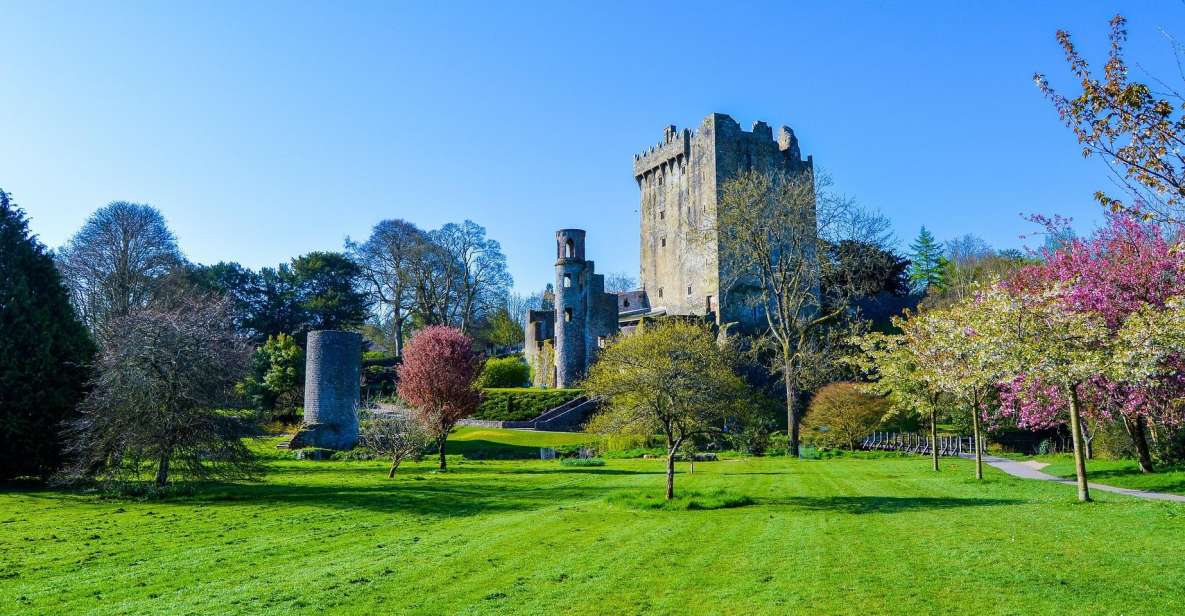
- Blarney Castle starts the trip with Ireland’s famous stone, plus time to explore the castle grounds.
- Killarney is your base for three nights, making the Ring of Kerry and Dingle Peninsula easy day trips.
- The Ring of Kerry includes Carrauntoohil, Moll’s Gap, Ladies View, and the Lakes of Killarney, with long stretches of scenery between stops.
- Dingle Peninsula brings a different feel, with Dingle Bay and locations linked to Ryan’s Daughter.
- The final day combines Bunratty Castle and the Cliffs of Moher, then returns to Dublin by train from Galway.
- Transport is a major part of the value, but several operators and changing groups can make the trip feel less simple than a single-coach tour.
Why this four-day route works
At $1,363 per person, this is not a budget day trip. The price covers three nights of bed-and-breakfast accommodation, admissions, transfers, rail travel between major parts of the route, and guided touring. You also avoid the cost and work of hiring a car, planning a route, and finding rooms in several busy Irish destinations.
The value depends on how you like to travel. If you want a fixed plan and a broad first look at southern and western Ireland, the package is practical. If you prefer slow mornings, long walks, or the freedom to stop whenever you like, the timetable may feel tight.
The route also makes good geographic sense. You travel south from Dublin to Cork, use Killarney as your base for two full touring days, then head north and west toward the Cliffs of Moher before returning by train from Galway. That is a lot of ground, but it avoids repeating long journeys from Dublin.
The experience is conducted in English, and a small-group option is available. Guides can change between sections of the trip, so do not expect one escort to accompany you from Dublin to Dublin. That arrangement can bring different personalities and local knowledge, but it also means you need to pay attention when groups split or rejoin.
A few more Dublin tours worth weighing up
- 4-Day South West Ireland Tour from Dublin
★ 4.5 · 112 reviews - 4-Day Blarney Castle, Ring of Kerry, Cliffs of Moher & Connemara
★ 4.5 · 60 reviews - 4-Day Cork, Ring of Kerry, Dingle, Cliffs of Moher and Galway Bay Rail Tour
★ 4.5 · 48 reviews
Day one: Cork, Blarney Castle, and Cobh
Your first morning begins early at Dublin Heuston Station. Check in beside the customer service desk at 6:40 a.m. for the 7:00 a.m. InterCity train to Cork. Representatives in yellow jackets meet you there, check you in, and direct you to your reserved seat.
The early departure is the price of covering so much ground. Breakfast is available on the train, though breakfast is not included on day one. Bring patience and keep your ticket or electronic confirmation easy to reach, since the station check-in is the first handoff in a trip with several moving parts.
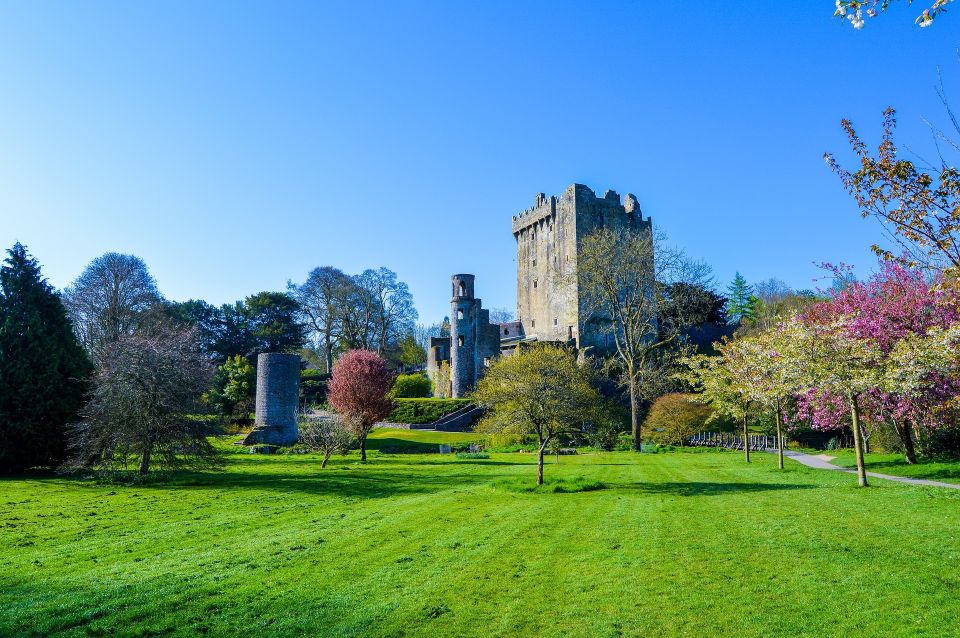
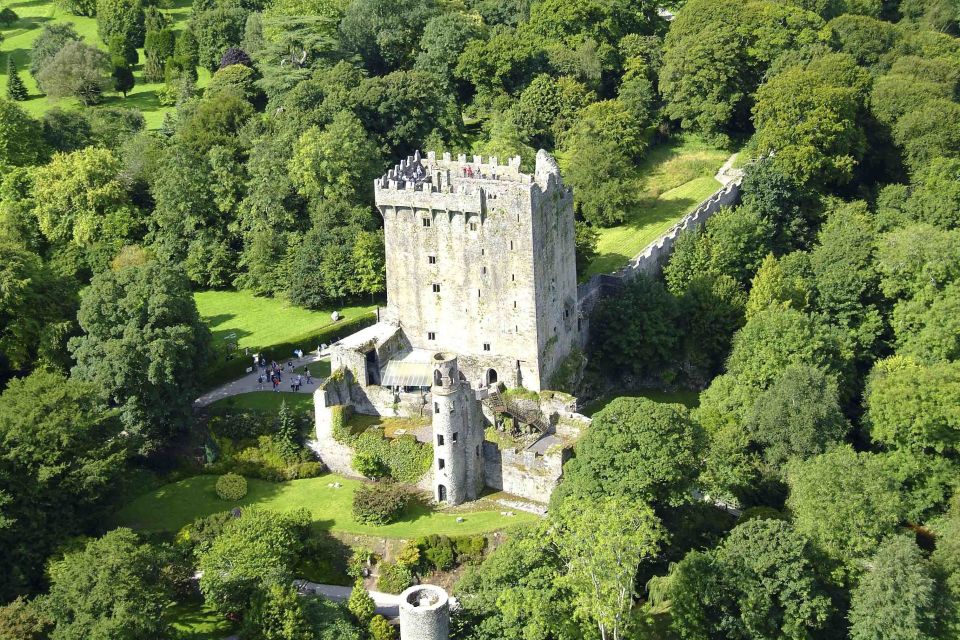
Blarney Castle is the day’s best-known stop. The famous Blarney Stone is set into the castle, and kissing it is an optional tradition for many visitors. The appeal is not only the stone. The castle grounds give you a chance to see one of Ireland’s best-known historic sites before the tour continues.
You should be ready for stairs and uneven surfaces around an old castle. The supplied accessibility information says that mobility scooters, non-folding wheelchairs, walking frames, and electric wheelchairs are not allowed, so this trip requires a reasonable level of mobility.
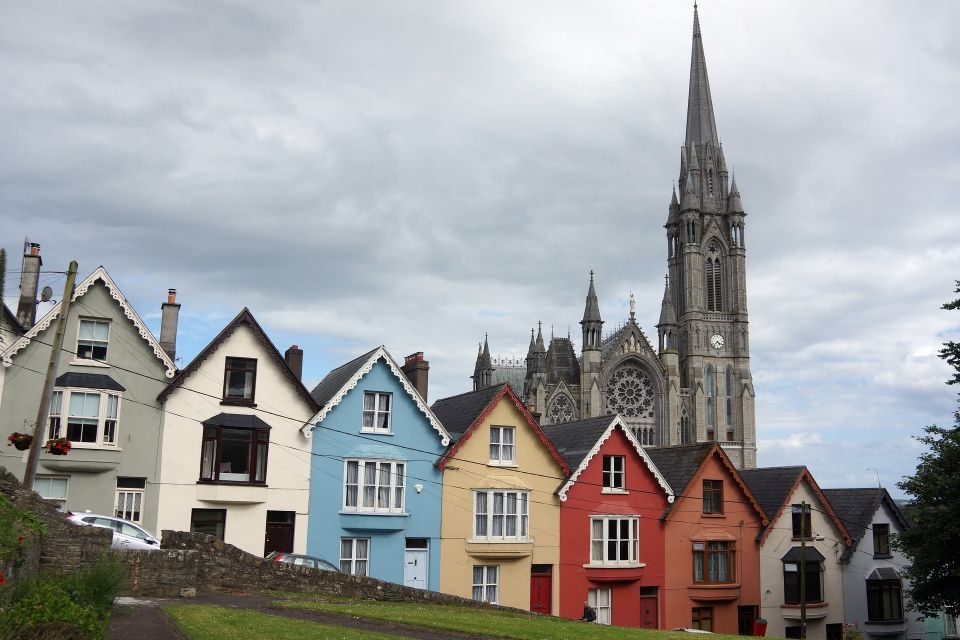
From Blarney, the route continues to Cobh for The Queenstown Story. Cobh was formerly known as Queenstown, and the attraction focuses on the town’s role in Irish emigration and ocean travel. It offers a useful human counterpoint to the castle and scenery: instead of simply seeing a pretty harbor town, you get a sense of the people who passed through it on their way to new lives.
You then take the train to Killarney, where you stay for three nights in a bed-and-breakfast with an en-suite room. The accommodation is described as a B&B rather than a full-service hotel, so expect a straightforward base. One practical point matters here: the room may be comfortable enough for sleeping, but the common space can be limited. If you like to sit somewhere other than your bedroom before dinner, ask about the accommodation details before paying.
Three nights in Killarney
Killarney is a smart base for this route. You return here after both the Ring of Kerry and Dingle Peninsula tours, which saves you from packing and unpacking every morning. Breakfast is included on days two, three, and four, but other meals are not.
That means you should budget separately for lunch, dinner, snacks, and drinks. The tour does not specify meal stops or restaurants, so you retain some choice, but you also need to plan for each day. After a full coach outing, having a simple dinner plan will save time.
The bed-and-breakfast setup also gives the trip a more local feel than a large chain hotel. At the same time, standards and room layouts can vary. One property may have a pleasant sitting room, while another may offer little space outside the bedroom. Consider this part of the package as practical lodging, not the main event.
Day two: the Ring of Kerry
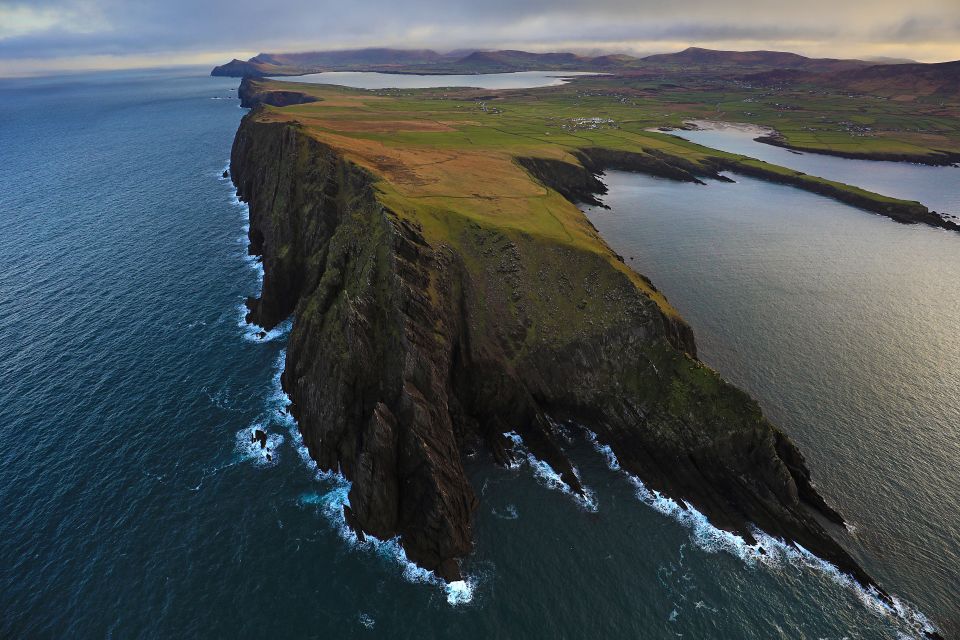
The Ring of Kerry tour leaves Killarney at 10:00 a.m. That later start is welcome after the early train departure on day one. It also gives you time for breakfast and a less frantic morning.
This is the day for broad views and open country. The route includes Dingle Bay, the Macgillicuddy Reeks, Carrauntoohil, Moll’s Gap, Ladies View, and the Lakes of Killarney. Carrauntoohil is Ireland’s highest mountain, and seeing it among the Macgillicuddy Reeks gives the day a clear sense of scale.
Dingle Bay may seem confusing at first because the next day is devoted to the Dingle Peninsula. The distinction is useful: the Ring of Kerry offers a wider circuit through mountain and lake scenery, while the Dingle day focuses more closely on the peninsula and its coastal setting.
Moll’s Gap is one of the route’s classic viewpoints. You can expect dramatic mountain scenery, but weather can alter the mood quickly. The same is true at Ladies View, known for its outlook over the Killarney area. On a clear day, the lakes and hills make this a strong photographic stop. In poor weather, the views may be partly hidden, so keep your expectations flexible.
The Lakes of Killarney give the day a softer finish after the mountain passes. They are one of the region’s defining sights, and their inclusion means you see several types of Irish scenery in one outing: bays, high ground, valleys, and lakes.
A coach tour is useful here because the route is long and driving requires attention on narrow, unfamiliar roads. The tradeoff is limited control. You stop where the schedule allows, not wherever a view catches your eye. For a first visit, I think that is a fair exchange, especially if you want to see the Ring of Kerry without taking on the drive yourself.
A different side of Dublin on the same trip:
- Dublin to Cliffs of Moher, including Wild Atlantic Way and Galway
★ 5.0 · 23,331 reviews - From Dublin: Cliffs of Moher, Burren & Galway City Day Tour
★ 4.8 · 18,888 reviews - Dublin: Guinness Storehouse Entry Ticket
★ 4.6 · 16,863 reviews - Dublin to Cliffs of Moher, Burren, Wild Atlantic Way, Galway Tour
★ 5.0 · 12,924 reviews
Day three: the Dingle Peninsula and Ryan’s Daughter
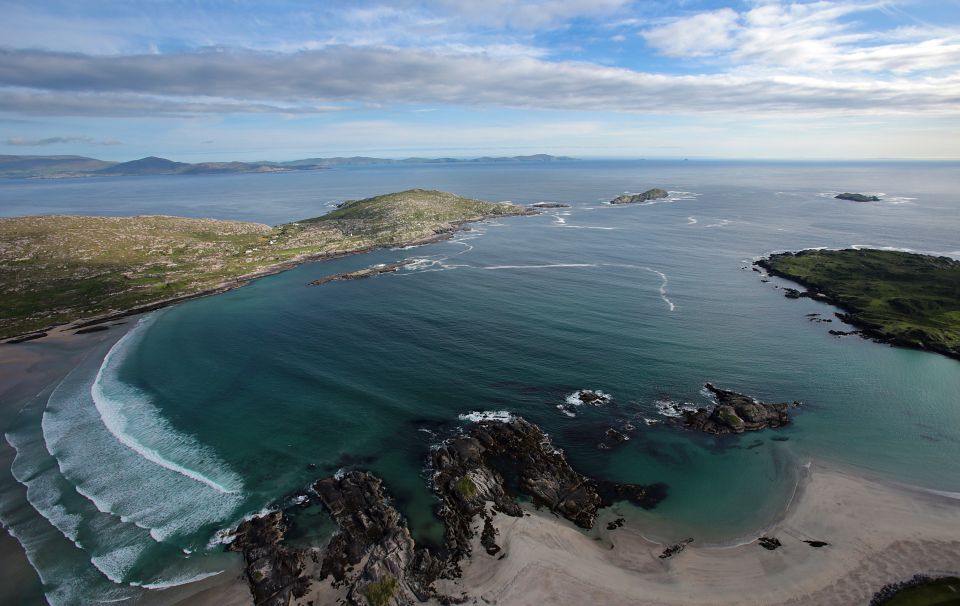
The Dingle Peninsula tour also leaves Killarney at 10:00 a.m. It is best understood as a change of pace from the Ring of Kerry. Rather than treating both days as interchangeable scenic drives, pay attention to the different character of the peninsula.
Dingle Peninsula is linked with the film Ryan’s Daughter, which was shot in the area. That connection adds a film-location angle, but the peninsula is not simply a movie set. The draw is the combination of bay views, coastal roads, and open countryside.
The supplied schedule does not list every stop or the exact time spent at each location. That is worth knowing before you book. You are paying for a guided day through the peninsula, but you should not expect a detailed stop-by-stop plan in advance.
The two touring days also depend heavily on the guide. The available feedback describes the guides as engaging, funny, and well informed, which is one of the strongest reasons to choose a guided route rather than simply taking a bus between towns. Since different companies can handle different days, the tone may change from one outing to the next.
Keep your day flexible. The tour schedule is designed to show you a lot, not to give you hours of independent time in every place. If Dingle Peninsula is your top priority, check how much free time is included before booking, because the supplied information emphasizes the route and scenery more than individual town time.
Day four: Bunratty Castle, the Cliffs of Moher, and Galway Bay
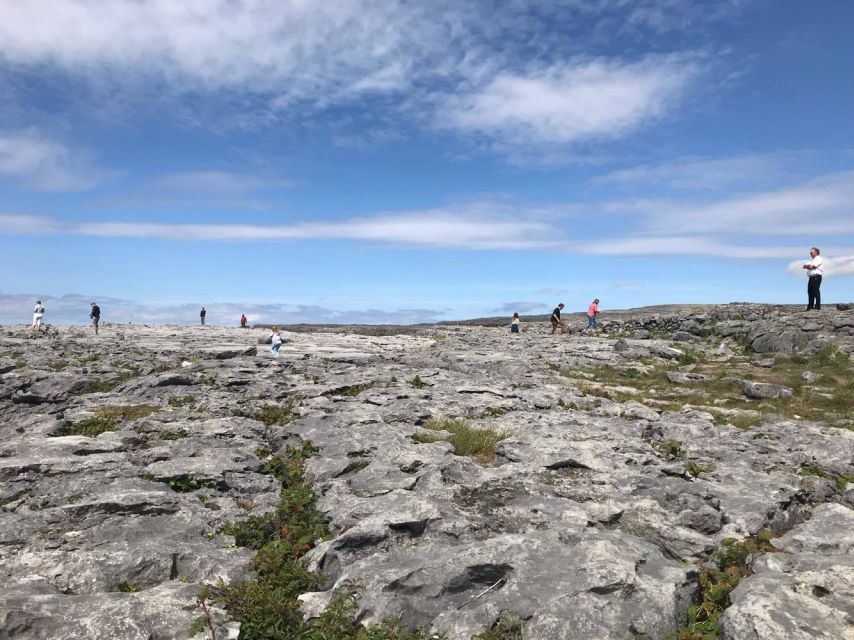
Day four starts at 7:30 a.m. from Killarney. You travel to Limerick to join the Cliffs of Moher tour, then visit Bunratty Castle before reaching the cliffs. After the western coast, the route continues through Galway Bay, and you take the train from Galway back to Dublin Heuston, arriving at about 8:45 p.m.
This is the longest and most demanding day. You leave early, change from the Killarney portion to the Cliffs of Moher tour, and end with a late train arrival in Dublin. Pack lightly for the day and keep anything you need on the train accessible.
Bunratty Castle adds another historic stop before the coast. After two days centered on Kerry scenery, it breaks up the journey and gives the final day more variety. The schedule does not provide a detailed description of the visit, so treat it as a scheduled admission and sightseeing stop rather than a long independent exploration.
The Cliffs of Moher are the headline sight. Their scale is hard to understand from photographs, and the coastal setting provides the major visual payoff of the tour. Wind and rain are part of the practical reality here, so wear secure footwear and bring layers. The provided details do not promise a specific amount of walking or a particular viewing route, so follow the guide’s instructions and allow time to move between the coach and viewpoints.
Galway Bay appears on the return route before you board the train in Galway. You do not return to Dublin by coach, which makes the final leg more comfortable and gives the trip a clear rail-based finish. Still, an 8:45 p.m. arrival means this is not the night to schedule an early onward flight or an important event.
The rail and coach setup
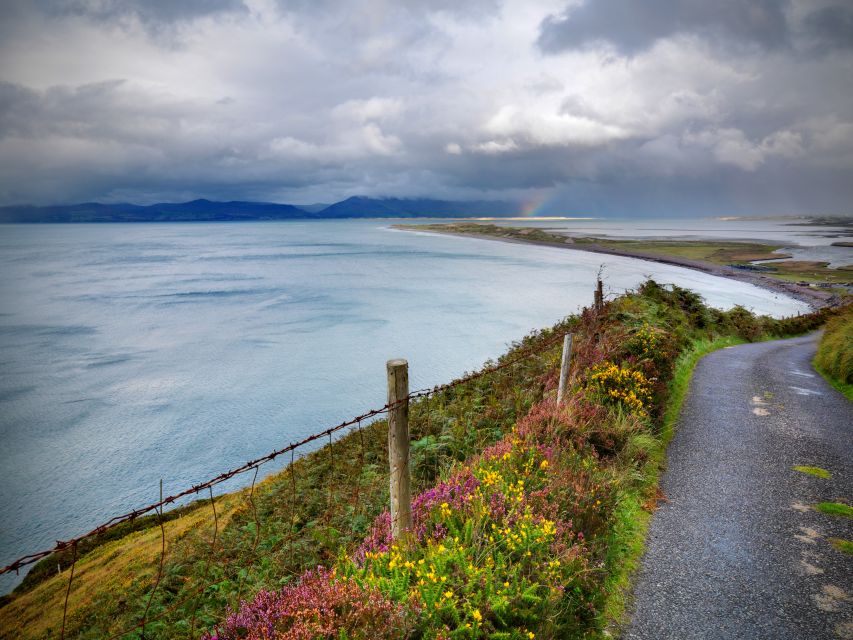
This is not one continuous coach tour. You begin by train from Dublin, transfer to guided visits around Cork and Cobh, take another train to Killarney, use coaches for Kerry and Dingle, then change again for the Cliffs of Moher route before returning by train from Galway.
That mix is one of the tour’s strengths. Rail travel breaks up long road journeys and lets you see more of Ireland without driving. Reserved seats and station representatives also make the first departure easier, particularly if you are unfamiliar with Dublin Heuston.
The weakness is that you must keep track of changing groups and operators. One booking became confusing because the customer was grouped with people on different tours. The accommodation was also not properly organized at first, leading to a choice between shortening the trip or paying extra for four-star lodging.
That sort of problem is not a small matter, especially at this price. Carry your electronic ticket and receipt, arrive early, and confirm your accommodation at the first check-in. If something does not match your booking, address it immediately rather than assuming the next guide has all the details.
Price, accommodation, and what is included
The $1,363 price per person is based on sharing a room. A single-room supplement applies if you are traveling alone and want your own room. The package includes all admissions, transfers, tours, and three nights of en-suite B&B accommodation in Killarney.
Breakfast is included on days two, three, and four. No other meals are included, and day-one breakfast is only available for purchase on the train. Add a realistic food budget before deciding that the price covers everything.
The strongest value comes from the number of major areas covered in four days. You see Cork, Blarney, Cobh, Killarney, the Ring of Kerry, Dingle Peninsula, Bunratty, the Cliffs of Moher, Galway Bay, and the rail corridors linking them. Doing this independently would require careful scheduling and several separate bookings.
The weakest value appears if you want luxury or independence. The included lodging is B&B accommodation, not guaranteed four-star lodging, and the schedule leaves little room to alter the route. Ask about the room category and accommodation arrangement before you pay, especially if a private room or a comfortable lounge matters to you.
Who should book this Ireland tour?
I would choose this trip if you have four days, want to cover a large part of southern and western Ireland, and do not want to drive. It suits first-time visitors who value an efficient route, guided commentary, and included admissions more than free time.
It also works well for anyone who likes scenery but prefers not to plan every transport connection. The Ring of Kerry and Dingle Peninsula are much easier when someone else handles the route, and the rail sections reduce the strain of long road travel.
I would hesitate if you dislike early starts, long touring days, or changing guides. The final day is especially full, and the mixture of operators can make the trip feel less straightforward. People using mobility scooters, non-folding wheelchairs, walking frames, or electric wheelchairs should not book this experience because those devices are not allowed.
The tour runs Monday, Tuesday, Wednesday, Friday, and Saturday. It does not run every day, so check the date before building the rest of your Ireland plans around it.
Should you book it?
Book this tour if your priority is maximum scenery with minimum planning. You get a well-packed route, three nights in one Killarney base, several major admissions, and transport that combines rail with guided coach touring.
Think twice if you need a fully predictable single-company experience. Confirm the accommodation, understand that guides and groups may change, and budget for all meals outside the included breakfasts. With those points clear, this is a strong, busy introduction to Cork, Kerry, Dingle, and the Atlantic coast.
FAQ
Where does the tour begin?
You check in at Dublin Heuston Station beside the customer service desk at 6:40 a.m. The station is on St John’s Road West, Dublin. Representatives in yellow jackets direct you to your reserved train seat.
What time does the first train leave?
The InterCity train to Cork departs at 7:00 a.m. on day one. Breakfast is available for purchase on the train.
Where does the tour end?
The tour ends back at Dublin Heuston Station. On day four, you take the train from Galway and are scheduled to arrive in Dublin at about 8:45 p.m.
How many nights do you stay in Killarney?
You stay three nights in Killarney in a bed-and-breakfast with en-suite facilities.
Which meals are included?
Breakfast is included on days two, three, and four. Meals other than those breakfasts are not included.
Is the tour conducted in English?
Yes. The live tour guide language is English.
Does the tour visit the Cliffs of Moher?
Yes. The Cliffs of Moher are visited on day four, along with Bunratty Castle and Galway Bay.
Is a single room available?
Yes, but a single-room supplement applies. The listed price is based on two people sharing.
Can I bring a mobility scooter or wheelchair?
Mobility scooters, non-folding wheelchairs, walking frames, and electric wheelchairs are not allowed on this activity.
Just added around Dublin
- Dublin: Pub Tour. Pour The Perfect Guinness, Whiskey & Music★ 5.0 · 3 reviews
- A Self Guided Walking Tour of Dublin’s Docklands★ 4.5 · 3 reviews
- Private Dublin City tour★ 5.0 · 3 reviews
- Dublin One Day Tour with a Local: 100% Personalized & Private★ 4.5 · 3 reviews
- Waterford Crystal and Kilkenny Full-Day Rail Tour from Dublin★ 5.0 · 3 reviews
- Secret and unusual Dublin: guided walking tour★ 5.0 · 3 reviews
- 5 Day Ireland’s South−East Including Admission from Dublin★ 4.5 · 3 reviews
- Turtle Bunbury’s Dublin: A Self-Guided Audio Tour from a Celebrated Author★ 5.0 · 3 reviews
4-Day Experiences, compared.
4-Day Blarney Castle, Ring of Kerry, Cliffs of Moher & Connemara
Read our review →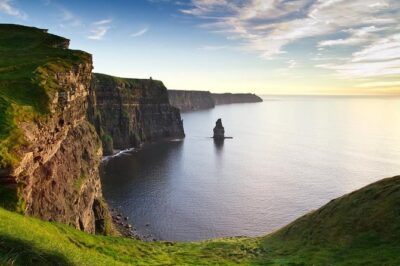
4-Day Cork, Ring of Kerry, Dingle, Cliffs of Moher and Galway Bay Rail Tour
Read our review →
South Western Ireland: 4 Days from Galway to Kerry
Read our review →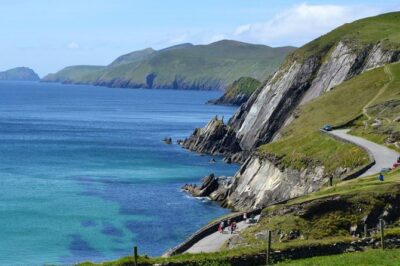

4-Day Guided Tour to Discover Ireland and Dublin
Read our review →Browse the lists this tour appears in