Reviewed · TOURS
Dublin: Windmill Lane Recording Studios Tour
Windmill Lane Recording Studios lets you walk into the working world behind the songs. Since 1978, this Dublin studio has hosted U2, Hozier, The Cranberries, Lady Gaga, Westlife, Riverdance, The Rolling Stones, Kylie Minogue, and many more. The best part is that you do not just hear a list of famous names. You see the rooms, consoles, awards, and tools that helped shape the sound.
I like the way the tour connects music history with real recording work, rather than treating the studio as a museum. I also like the hands-on touches, including access to the mixing equipment and demonstrations of voice processing and 360-degree sound. Guides such as Aidan, Maeve, Maria, Ian, Stefan, Zara, and Ross bring different musical backgrounds to the visit.
The main limitation is practical: this is a historic three-story building with no lift, and it is not suitable for wheelchair users or people with mobility impairments. Cameras and large bags are not allowed, and tours run only at booked times because Windmill Lane remains a working studio.
In This Review
- Key points to know before booking
- Behind the metal doors on Windmill Lane
- The artists behind the studio’s story
- Studio 1 and the rooms where records took shape
- Hearing how a recording is built
- Why the one-hour format works
- Is $25 a fair price?
- Who will enjoy Windmill Lane most?
- Practical tips for a better visit
- Should you book this Dublin studio tour?
- FAQ
- Where does the Windmill Lane Recording Studios tour start and finish?
- How long does the tour last?
- What language is the tour in?
- How much does the tour cost?
- Can I visit without booking ahead?
- Are cameras allowed?
- Can I bring luggage or a large bag?
- Is the tour suitable for wheelchair users or people with mobility impairments?
- Are food and drinks available inside the studio?
- Can I cancel the booking?
Key points to know before booking
- Studio 1 is the star of the visit: See the main recording space and learn how artists and producers use it.
- The tour is led by music professionals: Guides are musicians or producers, so the explanations go beyond a standard building tour.
- You hear recording in action: A band performance, voice effects, and a commissioned binaural recording explain how sound is shaped.
- The artist list is unusually broad: The story includes Irish acts, international pop artists, rock bands, film and stage projects.
- Small groups make the tour interactive: You may get time at the mixing console and can ask questions at your own level.
- Plan for stairs and a camera-free visit: Bring only what you need, and book ahead for a designated tour time.
Behind the metal doors on Windmill Lane

The entrance sets the tone. Windmill Lane is not a visitor attraction that you can wander into during a spare hour. It is a working recording studio, so your tour begins at a specific booked time and with a guide.
That arrangement is part of the appeal. You are entering a place still connected to music production, not a recreation built for sightseeing. The building has been making music since 1978, and the tour uses its rooms and equipment to show how that work happens.
Your guide welcomes the group and starts with the studio’s story. The focus is not only on artists. You also learn about the engineers, producers, and other people whose technical skill turns a performance into a finished recording.
I found that emphasis useful because famous musicians are only one part of a studio’s story. A great vocalist or band still needs the right room, microphones, sound levels, editing, mixing, and patient work behind the console.
The guides bring their own experience to this opening section. Aidan is praised for his warm, easy style and strong grasp of the studio’s past and present. Maeve is known for a thoughtful, welcoming approach, while Stefan has experience explaining equipment to people with very different levels of technical knowledge.
You should not expect every tour to have the same guide, so the tone may vary. That is not a bad thing. The common thread is a guide who can explain music production in plain English and adjust the discussion when a group contains both serious music students and people who simply enjoy good records.
Other Dublin tours people book alongside this one:
- Dublin to Cliffs of Moher, including Wild Atlantic Way and Galway
★ 5.0 · 23,331 reviews - From Dublin: Cliffs of Moher, Burren & Galway City Day Tour
★ 4.8 · 18,888 reviews - Dublin: Guinness Storehouse Entry Ticket
★ 4.6 · 16,863 reviews
The artists behind the studio’s story
Windmill Lane’s artist list is one of the strongest reasons to book. U2 is central to the studio’s Dublin identity, but the story reaches far beyond one band.
You may hear about Hozier, The Cranberries, Westlife, Lady Gaga, Kylie Minogue, The Rolling Stones, Riverdance, and other Irish and international acts. The appeal is seeing how one building has served different kinds of music, from rock and pop to stage and dance productions.
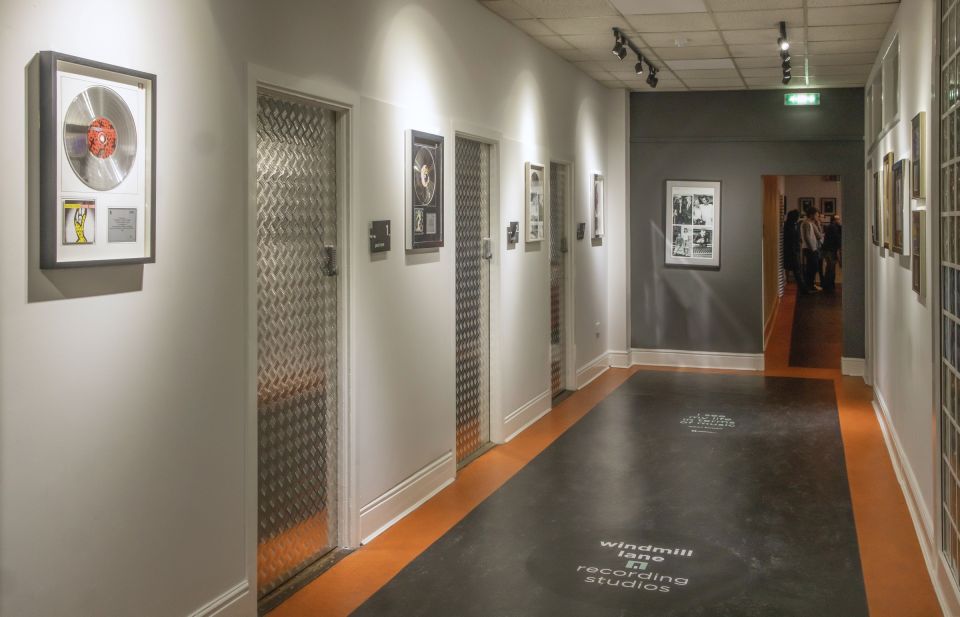
The tour also includes gold and platinum records, Grammy awards, and other signs of the work made inside the building. These displays add useful context, but I would not treat them as the whole experience. The real value comes from linking those objects to the rooms and recording methods you see.
Music fans will have plenty of personal connections to make. You might recognize an artist, a favorite song, or a record tied to a particular memory. If your taste runs toward Irish rock, the connection is especially strong, but you do not need to know every album to follow the tour.
The guide explains that the studio’s work is not limited to performers standing in front of a microphone. The building has supported complicated productions, and the tour shows how many layers can sit behind a finished track.
That makes this a good choice for people who enjoy the how of music. You do not need to play an instrument or understand studio jargon. The demonstrations give you something to hear, see, and sometimes try, so the technical side does not become a lecture.
Studio 1 and the rooms where records took shape
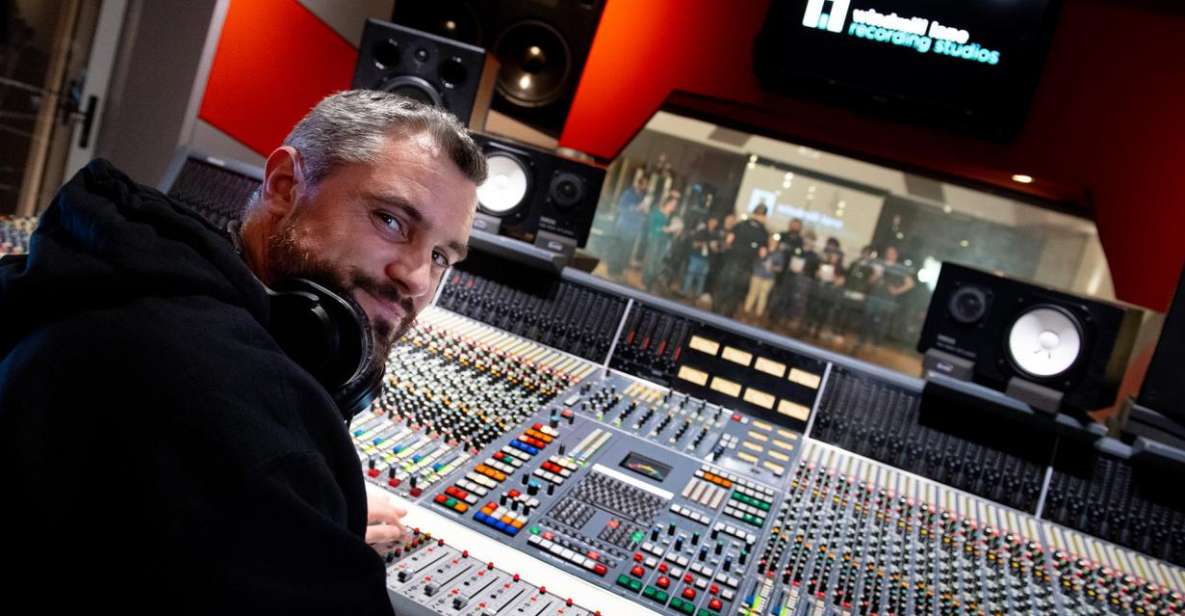
The main set piece is Studio 1. You get to see the room where a large amount of the studio’s work took place and hear why the space matters to recording.
A recording room is not just an empty box with expensive equipment. Its size, surfaces, and sound affect the performance. Your guide explains how artists and engineers use the room, then places it within the larger process of making music.
You may also visit Studio 3 and see the control areas. One especially enjoyable detail is the chance to sit in the chairs used by sound engineers and look closely at the mixing setup. For anyone studying music production, this offers a direct connection between classroom theory and professional practice.
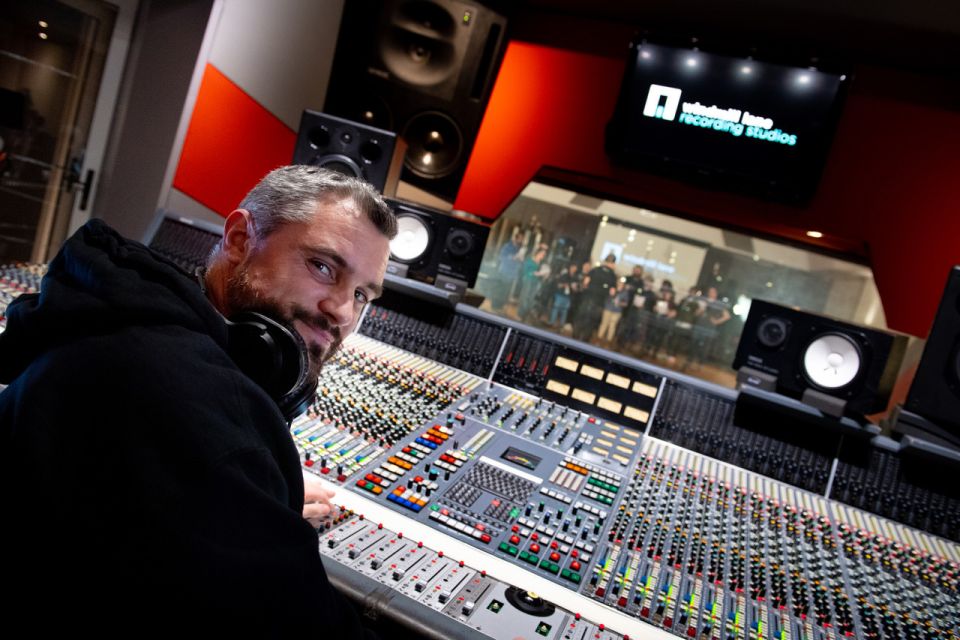
The mixing console is another strong moment. Depending on the group and the guide, you may have the chance to interact with parts of the equipment. That small amount of hands-on time helps you understand that mixing is not simply turning a song up or down. It involves balancing voices, instruments, effects, and space.
The autograph wall adds a lighter touch. It gives the building a personal record of the artists and people who have passed through, and children old enough for the tour may enjoy spotting names or adding their own mark if permitted during the visit.
Access is not unlimited. Windmill Lane is a protected historic building, and the tour cannot offer the easy circulation or broad public access you would find in a modern museum. You will need a moderate level of fitness and should be comfortable with stairs across three floors.
Hearing how a recording is built
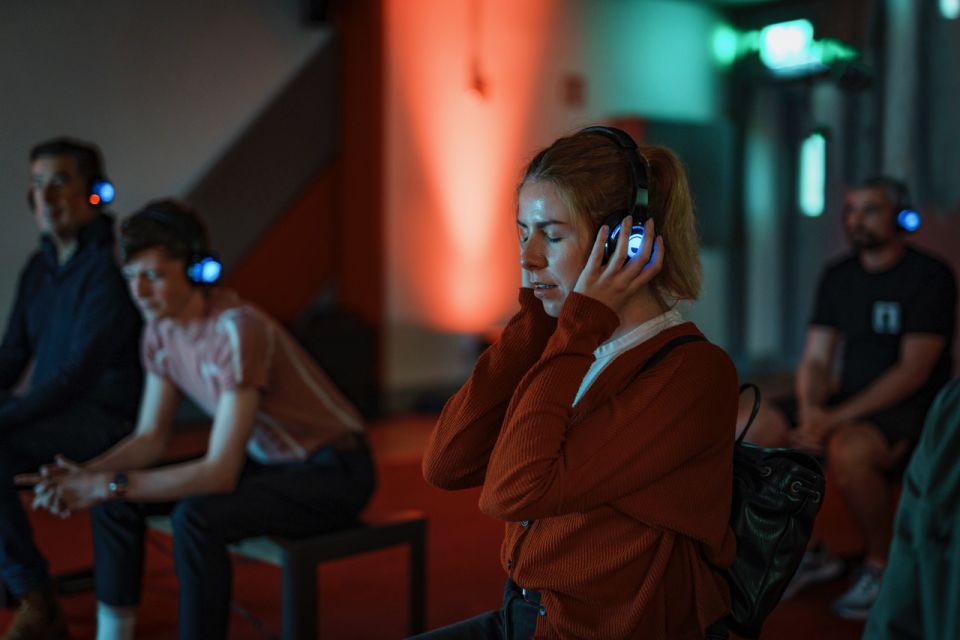
The audio demonstrations are what keep this tour from becoming a simple walk through famous rooms. You hear a recording of a band performing in the live room while the guide explains what is happening at each stage.
This is a smart way to teach the process. Instead of looking at a silent mixing desk, you hear the room and then learn how microphones, recording channels, editing, and mixing affect the final result.
The tour also explains the change from early recording devices to current computer software. That comparison gives you a sense of how much the tools have changed since the studio opened, while showing that the central challenge remains the same: capture a strong performance and shape it into something listeners want to hear.
The special binaural recording is the most memorable sound demonstration. With headphones and closed eyes, you hear a 360-degree effect that gives the impression of sound moving around you. The point is not a flashy trick. It shows how modern audio can create a sense of position and space.
A voice tone demonstration may also show how technology changes the character of a voice. This is useful for people who wonder how much of a polished recording comes from the singer and how much comes from studio treatment.
You can take part or hang back. That flexibility matters because a recording engineer may want more technical detail, while a casual music fan may prefer the broad idea and the stories about artists. The strongest guides keep both groups involved without forcing anyone to perform.
A different side of Dublin on the same trip:
- Dublin to Cliffs of Moher, Burren, Wild Atlantic Way, Galway Tour
★ 5.0 · 12,924 reviews - Dublin: Giants Causeway, Dark Hedges, Dunluce & Belfast Tour
★ 4.8 · 8,843 reviews - Dublin to Belfast Black Cab, Dunluce Castle and Giant’s Causeway
★ 5.0 · 7,954 reviews - Kilkenny, Wicklow Mountains & Glendalough Day Tour from Dublin
★ 5.0 · 7,897 reviews
Why the one-hour format works
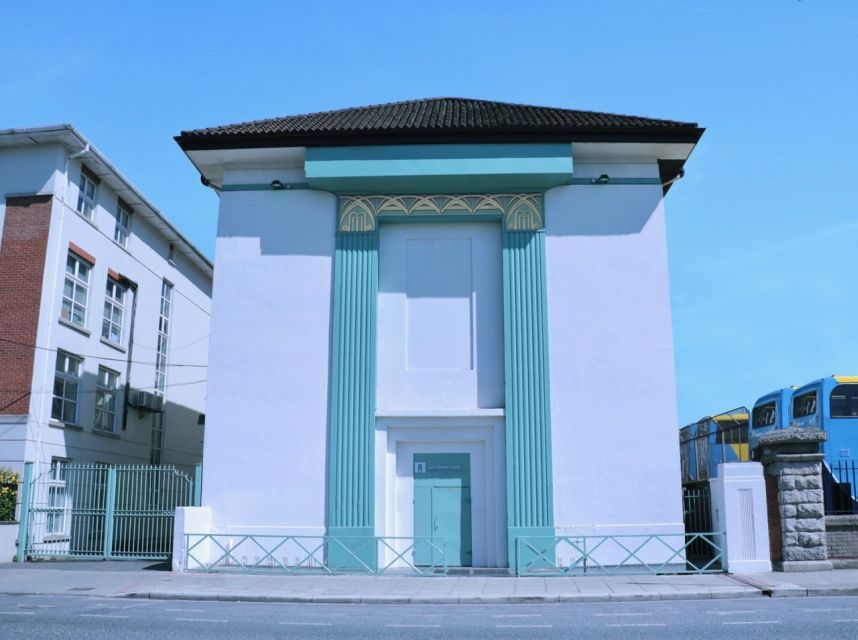
The tour lasts one hour, which is enough time to visit the key rooms and hear the main demonstrations without turning the experience into a full technical course. I like this length for a Dublin itinerary because it can fit before or after other central sights.
The pace is relaxed but purposeful. You move through the building, hear stories about the studio and its artists, look at equipment, and receive audio examples that make the explanations concrete.
A small group can make a difference. Several tours have had only a handful of participants, creating room for questions and giving people a better look at the console. Group size may vary, but this is not designed as a large coach-style attraction.
You should book in advance. Tours operate only on designated dates and times, and the studio cannot accept casual walk-in visitors. Check the available start times when planning your day, then allow enough time to arrive at the meeting point.
The activity begins and ends at Windmill Lane Recording Studios. Hotel pickup is not included, and you will need to arrange your own way there. The supplied information does not give a specific transport route, so check your Dublin map or local transport app before leaving.
Is $25 a fair price?
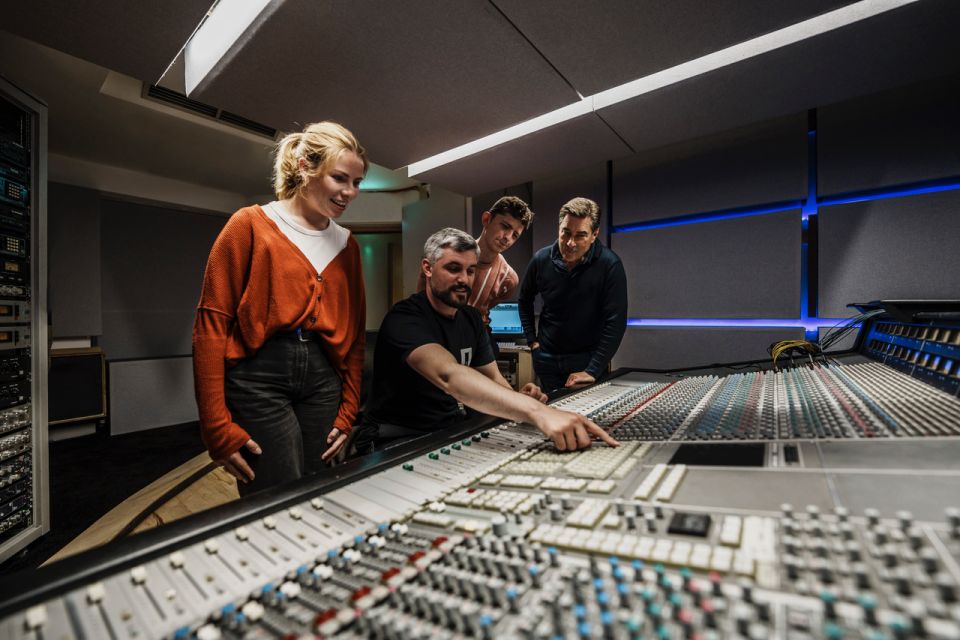
At $25 per person, this is a reasonable buy for anyone curious about music production or Dublin’s place in international music. You are paying for access to a working studio, an expert English-speaking guide, demonstrations, and the story of a building used by major acts over several decades.
The value is strongest when you take part in the equipment demonstrations and listen closely to the sound examples. If you only want to see a famous room and take photographs, this will feel less worthwhile, especially since cameras are not allowed.
The price also compares well with the short duration. A one-hour activity does not fill half a day, but it can give you a focused experience that is quite different from Dublin’s usual historic buildings, pubs, and galleries.
I would not book it solely for the celebrity names. The artist connections are fun, but the tour earns its price by explaining the work of engineers and producers. You leave with a clearer idea of why a studio room matters and how a raw performance becomes a record.
The reserve-now, pay-later option can help if your schedule is still shifting. Free cancellation is available up to 24 hours before the activity for a full refund, according to the booking conditions.
Who will enjoy Windmill Lane most?
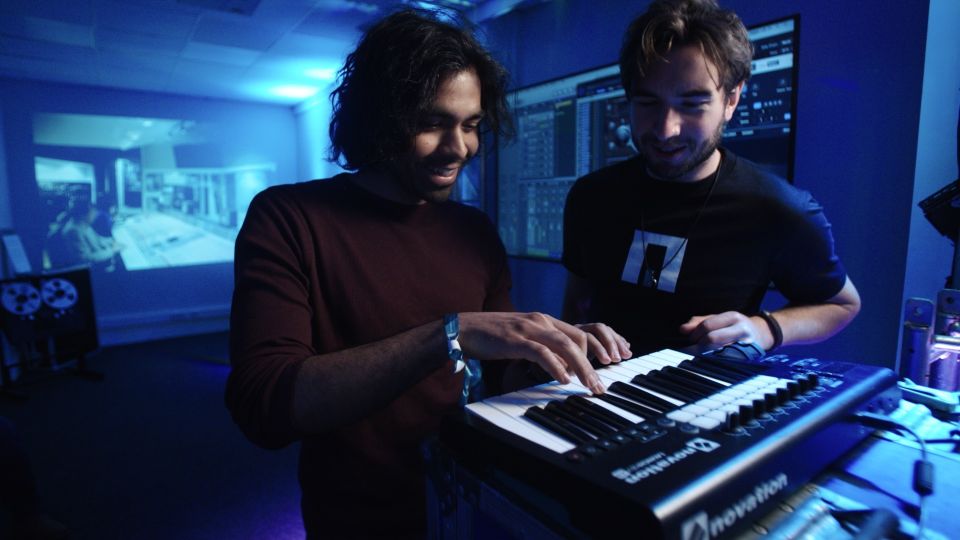
I would put this near the top of the list for:
- Music fans who want more than a display of memorabilia
- People studying music production or audio engineering
- Fans of U2, Hozier, The Cranberries, Lady Gaga, The Rolling Stones, or Riverdance
- Visitors interested in the technical side of pop, rock, and stage recordings
- Couples looking for a focused indoor activity in Dublin
- Families with children aged five or older, provided everyone can manage the stairs
You do not need specialist knowledge. The guides explain the equipment and recording process at a level that works for beginners, while the chance to ask questions gives experienced listeners room to go further.
I would think twice if you have limited mobility, use a wheelchair, or dislike stairs. The building has no lift and limited access. I would also skip it if your main goal is taking pictures, since cameras are not allowed.
Children under five are not suitable for the tour. The studio does not sell food or drinks, but convenience stores, cafés, and restaurants are close by, so you can easily plan a snack before or after the visit.
Practical tips for a better visit
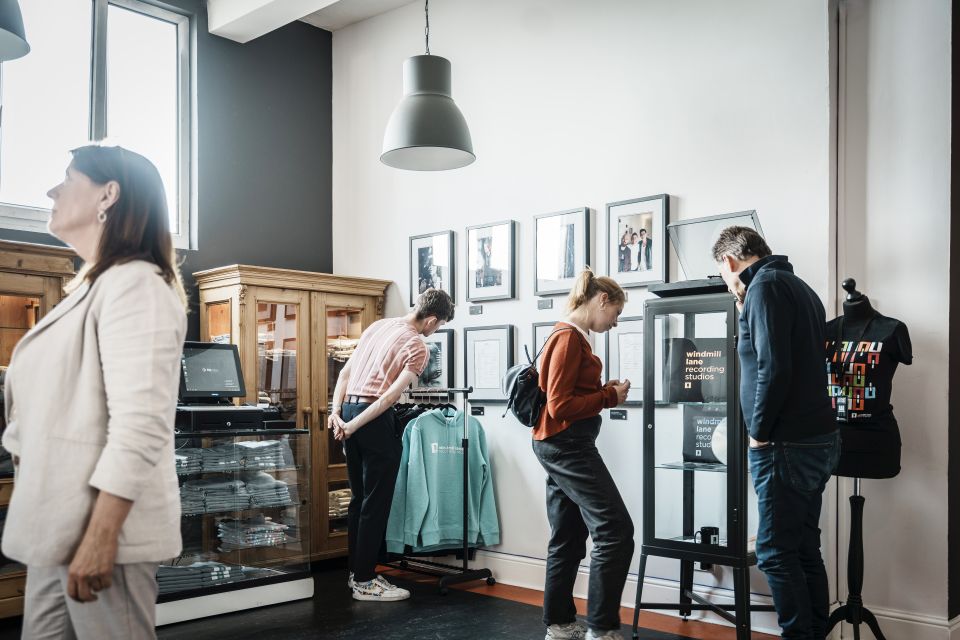
Book a designated time rather than hoping to find an opening on the day. The studio is still in use, and its schedule does not work like a standard public museum.
Travel light. Large bags and luggage are not allowed, and there is no reason to bring more than the essentials. Cameras are also prohibited, so plan to remember the rooms through the stories and sound demonstrations rather than photographs.
Wear comfortable shoes and be ready for stairs. The historic three-story building has limited access, so this is one Dublin activity where physical comfort affects how much you enjoy the hour.
Ask questions early. The guides are musicians and producers, and the tour works best when you tell them what interests you. If you are curious about microphones, mixing, voice effects, or a particular artist, say so.
Pay attention during the binaural recording. Closing your eyes helps you hear the movement of the sound, and it is one of the few parts of the tour that depends more on listening than looking.
Allow time for a café or meal nearby afterward. Since there are no drinks or food for sale inside, this simple bit of planning keeps the visit comfortable.
Should you book this Dublin studio tour?
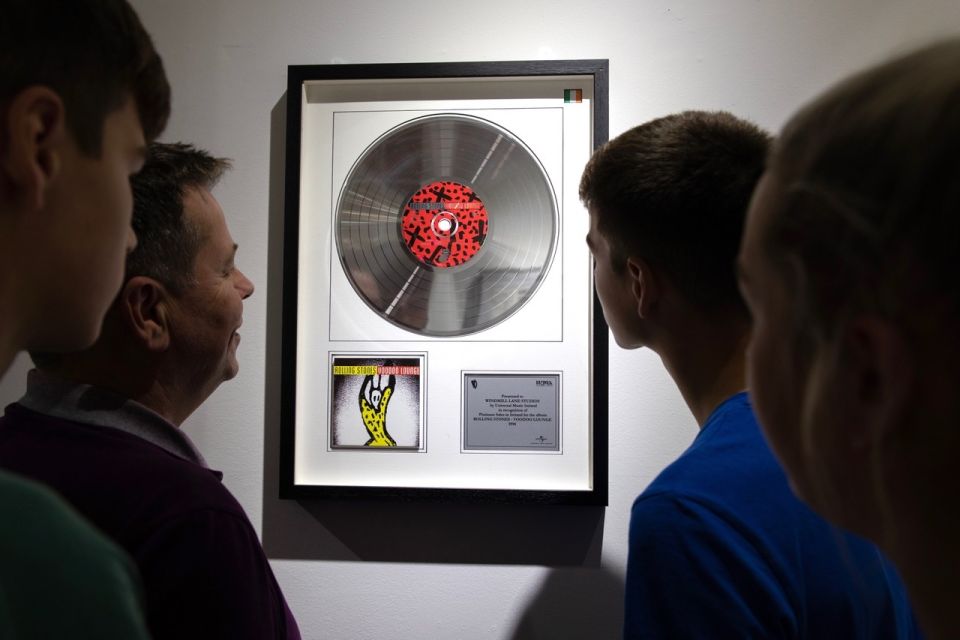
Book it if you want to understand how recorded music is made, enjoy Irish and international music, or prefer a small, hands-on experience to a standard sightseeing stop. The combination of Studio 1, working equipment, artist stories, and 360-degree audio gives the hour real substance.
I would especially recommend it to music students and curious beginners. The tour does not assume that you already understand recording, and guides such as Aidan, Maeve, Maria, Ian, Stefan, and Zara have shown that the experience can be warm, practical, and tailored to the group.
Skip it if you need step-free access, want a long attraction, or care mainly about taking photos. For everyone else, Windmill Lane offers a memorable look at the people, rooms, and technology behind songs that have traveled far beyond Dublin.
FAQ
Where does the Windmill Lane Recording Studios tour start and finish?
The tour starts at Windmill Lane Recording Studios and ends back at the same meeting point.
How long does the tour last?
The activity lasts one hour. Available starting times depend on the date you select.
What language is the tour in?
The live tour guide speaks English.
How much does the tour cost?
The listed price is $25 per person.
Can I visit without booking ahead?
No. Windmill Lane is a working recording studio rather than a walk-in attraction. Tours operate only on designated dates and times, so advance booking is essential.
Are cameras allowed?
No. Cameras are not allowed during the activity.
Can I bring luggage or a large bag?
No. Luggage and large bags are not allowed.
Is the tour suitable for wheelchair users or people with mobility impairments?
No. The studio is a protected three-story building with no lift and limited access. It is not suitable for wheelchair users or people with mobility impairments.
Are food and drinks available inside the studio?
No. The studio does not sell food or drinks on-site. Convenience stores, cafés, and restaurants are located nearby.
Can I cancel the booking?
You can cancel up to 24 hours in advance for a full refund. A reserve-now, pay-later option is also available.
Just added around Dublin
- Dublin: Pub Tour. Pour The Perfect Guinness, Whiskey & Music★ 5.0 · 3 reviews
- A Self Guided Walking Tour of Dublin’s Docklands★ 4.5 · 3 reviews
- Private Dublin City tour★ 5.0 · 3 reviews
- Dublin One Day Tour with a Local: 100% Personalized & Private★ 4.5 · 3 reviews
- Waterford Crystal and Kilkenny Full-Day Rail Tour from Dublin★ 5.0 · 3 reviews
- Secret and unusual Dublin: guided walking tour★ 5.0 · 3 reviews
- 5 Day Ireland’s South−East Including Admission from Dublin★ 4.5 · 3 reviews
- Turtle Bunbury’s Dublin: A Self-Guided Audio Tour from a Celebrated Author★ 5.0 · 3 reviews
Tours, compared.

Cliffs of Moher, Burren & Galway City Day Tour
Read our review →
Dublin to Cliffs of Moher, Burren, Wild Atlantic Way, Galway Tour
Read our review →
Giants Causeway, Dark Hedges, Dunluce & Belfast Tour
Read our review →
Kilkenny, Wicklow Mountains & Glendalough Day Tour from Dublin
Read our review →
Wicklow Mountains, Glendalough & Kilkenny Tour
Read our review →
Dublin Highlights and Hidden Gems Guided Walking Tour
Read our review →
Dublin to Glendalough, Wicklow and Kilkenny Full Day Guided Tour
Read our review →