
Reviewed · 6-DAY EXPERIENCES
Best of Ireland 6-Day Backpackers Economy Tour
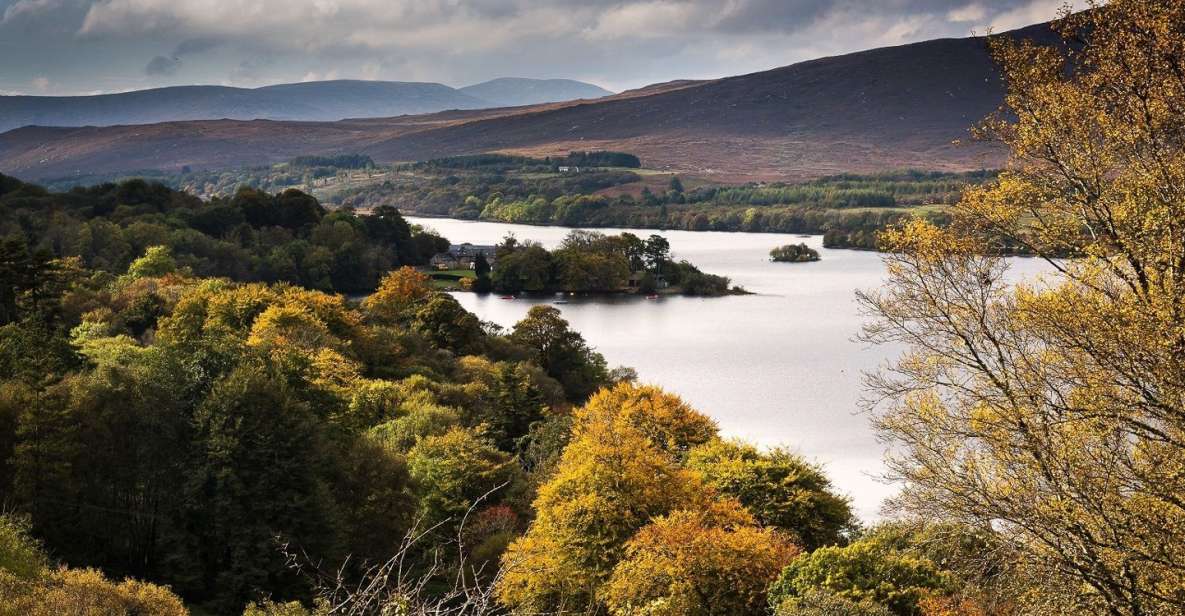
Ireland’s great hits come quickly on this six-day trip: the Giant’s Causeway, Cliffs of Moher, Dingle Peninsula, Killarney, and Blarney Castle all fit into one fast-moving route. You also get Northern Ireland, historic Derry, Galway, and time in Irish pubs, which gives the trip more character than a simple photo-stop tour.
I like the mix of famous sights and local flavor, especially the horse-led car ride through Killarney National Park and the chance to spend evenings with a small group. I also like the backpacker price of $1,058, since transport, lodging, breakfasts, a guide, and entrance fees are bundled together. The trade-off is pace: some days cover a lot of road, and one report found rushed meal times, missed stops, and limited guiding at certain sites.
In This Review
- Key points at a glance
- Why this six-day route works
- Day one: Dublin to Belfast and the Titanic story
- Day two: Dunluce Castle and the Giant’s Causeway
- Day three: Strandhill, the Wild Atlantic Way, and Galway
- Day four: The Cliffs of Moher, the Burren, and Annascaul
- Day five: The Dingle Peninsula and Killarney
- Day six: Killarney National Park, Blarney Castle, and Dublin
- Food, lodging, and the daily pace
- Who should book this Ireland tour?
- Should you book the Best of Ireland six-day tour?
- FAQ
- Where does the tour begin?
- Where does the tour end?
- How long is the tour?
- Which countries or regions does the tour visit?
- Is a guide included?
- Are transportation and accommodation included?
- Are meals included?
- Is Blarney Castle included?
- Can I cancel the booking?
Key points at a glance
- Giant’s Causeway and the Antrim Coast: See the 60,000 hexagonal basalt stones, with stops at Dunluce Castle, the Dark Hedges, and Carrick-a-Rede Rope Bridge.
- A true all-island route: Begin in Dublin, cross into Northern Ireland, travel to Galway and Kerry, then return to Dublin.
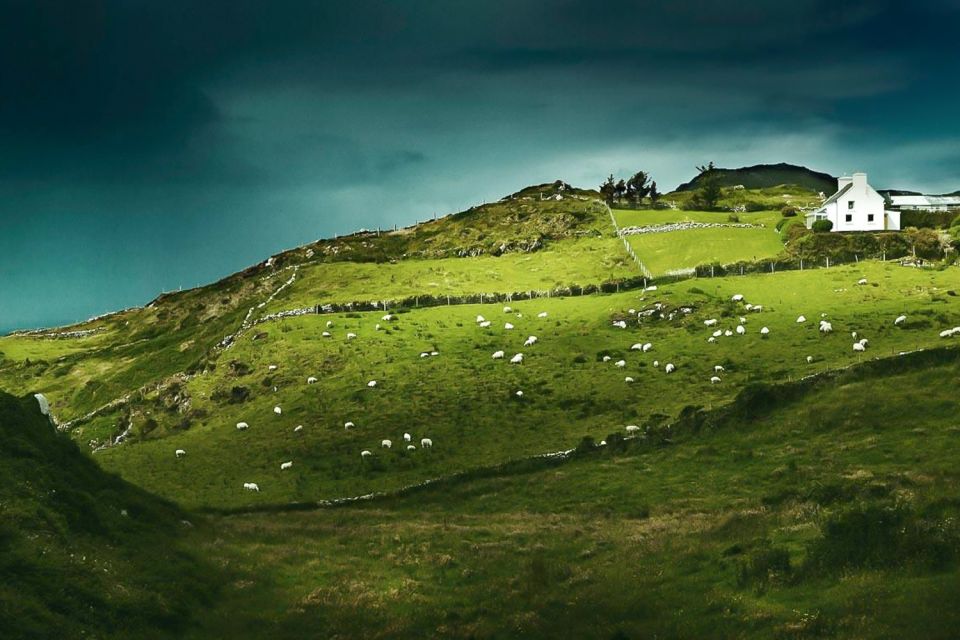
- Dingle and Killarney by road and on foot: Expect coastal views, beach walks, bogs, castle ruins, and a traditional horse-led car ride.
- Backpacker-friendly setup: The price includes transport, lodging, breakfasts, entrance fees, and an English-speaking guide, with hostel-style accommodation in the economy option.
- Small-group advantages after day one: One recent departure used a coach for about 15 people, with Wi-Fi onboard, though the first day used a much larger coach.
- Guides can shape the trip: Gordon was praised for local connections and evening recommendations, while Danny and Dani were also named positively.
Why this six-day route works
This is a highlights tour for people who want to see a lot of Ireland without renting a car. Ireland’s roads can be slow, the weather can change quickly, and major sights are spread far apart. Having someone else drive lets you look out the window instead of wrestling with roundabouts and narrow rural lanes.
The route is also cleverly arranged across the island. You start with Belfast and the Antrim Coast, turn west to Derry and Galway, then head south toward County Kerry before returning east to Dublin. You get a broad sense of Ireland rather than spending six days in one region.
The cost is $1,058 per person. That is not a shoestring sum, but it covers six days of transport, accommodation, breakfasts, entrance fees, and a live English-speaking guide. For a solo visitor, the value is better than the price first suggests. You avoid car hire, fuel, parking, and the cost of arranging five nights independently.
Still, this is an economy trip. Your lodging depends on the option you select, and the backpacker arrangement uses hostel-style accommodation. A recent booking found most nights pleasant and even had a private room in Annascaul, but described the first Belfast hostel as dirty. I would choose this tour for its route and social ease, not for polished hotels.
A few more Dublin tours worth weighing up
- 6-Day All Ireland Tour from Dublin Including Accommodation
★ 4.5 · 254 reviews - 6-day All Ireland & Northern Ireland Rail Tour from Dublin
★ 4.0 · 37 reviews - 6-Day South of Ireland Tour from Dublin
★ 4.0 · 29 reviews
Day one: Dublin to Belfast and the Titanic story
Meet at 8:45 AM at Paddy’s Palace on Lower Gardiner Street in Dublin. The first day takes you north to Belfast, where the main listed attraction is Titanic Belfast, followed by time in the historic downtown quarter.
Titanic Belfast gives the city a strong opening act. The museum focuses on the construction, launch, and fate of the Titanic, which was built in Belfast. Even with limited time, it gives you a useful sense of the city’s industrial past and its connection to the sea.
The first day may feel different from the rest of the trip. One recent departure used a large coach before switching to a smaller coach later in the journey. That change matters if you prefer a close-knit group from the start.
You spend the night in Belfast. The exact lodging depends on your selected accommodation level, and the economy option is aimed at backpackers rather than people seeking hotel comforts. If you have extra time in Belfast, ask your guide what is realistic before planning an independent evening.
Day two: Dunluce Castle and the Giant’s Causeway
The second day follows the Antrim Coast, one of the trip’s strongest sections. You visit Dunluce Castle, stop at the Dark Hedges, see Carrick-a-Rede Rope Bridge, and spend time at the Giant’s Causeway before taking a historic walking tour in Derry.
Dunluce Castle is a dramatic ruin perched above the coast. Its broken walls and exposed setting make it easy to understand why Irish history and legend often seem tied to the weather. You will want sturdy shoes here, not just for the ruins but for the uneven paths found at several stops during the week.
The Dark Hedges is a quick photo stop rather than a long walk. The avenue of twisted beech trees has become famous, so expect a place designed more for a memorable image than a full historical visit.
Carrick-a-Rede Rope Bridge is included as a photo opportunity, but the supplied details do not promise a bridge crossing. Keep that distinction in mind when setting expectations. The bridge is also one of the stops most affected by time, weather, and access conditions.
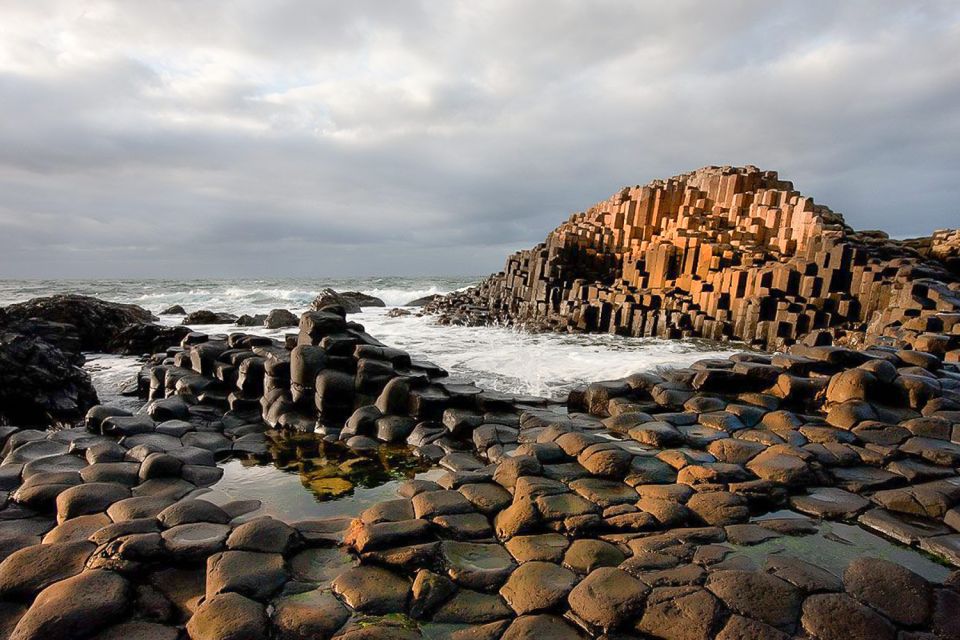
The day’s main prize is the Giant’s Causeway, with about 60,000 hexagonal basalt stones reaching along the shore. This is one place where you should take time to walk rather than simply snap a picture from the coach. The stone columns were formed by ancient volcanic activity, while local legend gives the site its famous story of the giant Finn McCool.
You finish in Derry, where a historic walking tour adds more depth than another quick roadside stop. The city’s walls and old center make it a good place to hear about the past while walking at a human pace.
This is a long, full day. A critical account of the tour reported that some itinerary stops were missed and that certain views had to be seen through the coach window. I would treat the schedule as a plan rather than a guarantee of equal time at every attraction.
Day three: Strandhill, the Wild Atlantic Way, and Galway
The route leaves Northern Ireland and heads toward Galway along the Wild Atlantic Way. You stop in Strandhill for lunch and a beach walk, then join a free walking tour in Galway before spending the night there.
Strandhill gives the day a welcome change of rhythm. After castles and major viewpoints, a walk beside the Atlantic lets you stretch your legs and see a coastal town with a surfing identity. Lunch is not included, so this is one of the meals you need to budget for.
Galway is a useful overnight stop because it feels social and easy to explore on foot. The free walking tour gives you an introduction to the city without adding another paid attraction. You should use your free time for a pub, a short wander, or live music if available, but the tour does not promise a specific performance.
This is also the point where the trip may feel more intimate. One highly positive account described a small group of about 15 people, a smaller coach, and Wi-Fi onboard. That setup makes long drives easier and gives you a better chance to speak with the guide and other people on the trip.
Guiding quality seems important here. Gordon was praised for knowing local people, offering useful recommendations, and joining the group at the pub in the evenings. Danny and Dani also received strong personal praise. Guides vary by departure, so you should expect the guide to have a large effect on how much context you receive at each stop.
A different side of Dublin on the same trip:
- Dublin to Cliffs of Moher, including Wild Atlantic Way and Galway
★ 5.0 · 23,331 reviews - From Dublin: Cliffs of Moher, Burren & Galway City Day Tour
★ 4.8 · 18,888 reviews - Dublin: Guinness Storehouse Entry Ticket
★ 4.6 · 16,863 reviews - Dublin to Cliffs of Moher, Burren, Wild Atlantic Way, Galway Tour
★ 5.0 · 12,924 reviews
Day four: The Cliffs of Moher, the Burren, and Annascaul
The fourth day is one of the most scenic. You travel from Galway toward Annascaul on the Dingle Peninsula, stopping at the Cliffs of Moher and the Burren.
At the Cliffs of Moher, you can walk the clifftop paths and look out over the Atlantic. The appeal is not just the height of the cliffs. It is the combination of wind, open sea, dark rock, and shifting weather. Give yourself time to walk, but stay well back from edges and follow marked paths.
The Burren offers a very different setting. Its exposed limestone gives the area a stark, unusual look, with stone shapes and low vegetation replacing the softer fields seen elsewhere in Ireland. The supplied schedule does not give a detailed length for the Burren stop, so your time there may be brief.
You sleep in Annascaul, a small place on the Dingle Peninsula. This is a useful contrast with Belfast and Galway. The setting is quieter, and one backpacker booking had a private room here, though room arrangements depend on the accommodation option.
The day includes a lot of driving. Lunch and dinner are not included, and one negative account reported meals being delayed until 2 PM or later. I would carry a snack each morning. That is especially sensible on a road trip where the next meal stop may depend on traffic, weather, or the day’s schedule.
Day five: The Dingle Peninsula and Killarney
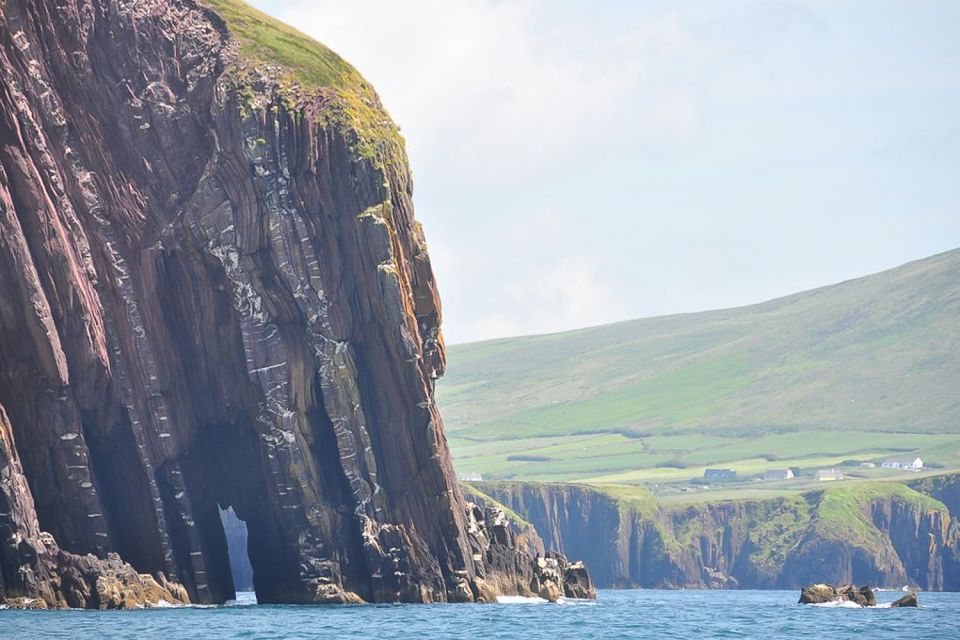
The fifth day gives the Dingle Peninsula the attention it deserves. This is described as a full day of touring on one of Europe’s most spectacular road trips, followed by an overnight in Killarney.
Dingle works best when you enjoy the journey as much as the stops. The road winds through coastal scenery, rural villages, and open views, and the changing weather is part of the experience. You will have opportunities for walks, photographs, and short stops, but this is still a group itinerary, so you will not control every pause.
The schedule also mentions hikes through bogs and castle ruins as part of the wider trip experience. Comfortable shoes are essential, and I would bring waterproof layers rather than trusting a clear morning. The official information specifically asks you to bring comfortable shoes, which is practical advice rather than filler.
Killarney is the night for extra evening energy. You may find opportunities to dance or attend an optional performance, and one booking singled out the Celtic Steps show in Killarney as a highlight. That show is not listed as included, so treat it as an additional attraction and budget separately.
The overnight in Killarney also puts you in a good position for the final morning. You do not have to make a long transfer from the west before seeing the national park and Blarney Castle.
Day six: Killarney National Park, Blarney Castle, and Dublin
The final day combines Killarney National Park with Blarney Castle before returning to Dublin by early evening. It is a busy finish, but the two main stops offer very different experiences.
The traditional horse-led car ride through Killarney National Park is a nice change from the coach. This 19th-century tradition lets you see part of the park at a slower pace and gives the day a distinctly Irish touch. It is one of the tour’s more unusual inclusions because it is not simply another viewpoint or museum entrance.
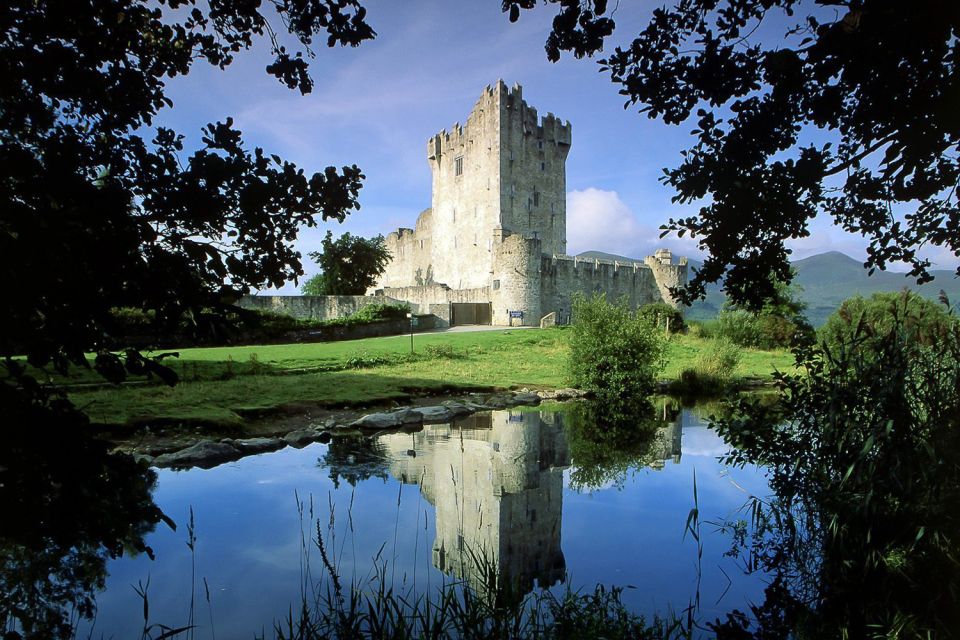
Blarney Castle brings the familiar ritual of kissing the Blarney Stone. The castle itself is worth attention even if you are unsure about the tradition. You can explore the ruins, see the setting, and decide for yourself if you want to take part.
The return to Dublin is scheduled for early evening, but I would not book a flight or nonrefundable evening event too close to that arrival. The tour covers a lot of ground, and traffic or weather can affect the final transfer. Use the end time as a guide, not a promise.
The overview also mentions a Guinness Brewery visit, but the day-by-day schedule supplied for this experience does not place that visit on a specific day. If Guinness is a must for you, confirm that it is included on your departure rather than assuming the general description guarantees it.
Food, lodging, and the daily pace
Breakfasts are included, while lunch and dinner are not. One recent booking received breakfast on four of five mornings, so I would check the exact accommodation arrangement before departure. You should also keep money available for meals, snacks, pub drinks, and optional attractions.
Accommodation depends on the option you choose. The backpacker version is the economy choice, and it may be a good fit if you care more about seeing Ireland than having a private hotel room every night. At least one departure included a private room in Annascaul, but you should not treat that as a promise for every booking.
The pace is brisk. You cover the length and breadth of Ireland in six days, with several long drives and many stops. That is the price of seeing both Northern Ireland and the southwest in one trip.
I would pack light. You will move between several overnight bases, and a small bag is easier to handle than a large suitcase. Comfortable shoes are required for clifftop paths, castle ruins, beach walks, and uneven ground.
Who should book this Ireland tour?
I would recommend it to solo visitors, students, first-time Ireland visitors, and anyone who wants the major sights without driving. The social side is a real benefit. A group of about 15 in a small coach can become a temporary travel family, and guides such as Gordon can make evenings more enjoyable by pointing you toward pubs, shows, and local contacts.
It also suits people who want both republic and Northern Ireland in one trip. Belfast, Derry, the Antrim Coast, Galway, Kerry, and Cork are difficult to connect efficiently without a car or careful planning.
I would be cautious if you need a quiet schedule, polished accommodation, exact adherence to every listed stop, or long independent visits at each attraction. One poor experience raised concerns about skipped points, coach-window sightseeing, late lunches, and a guide who acted more like a driver than a site guide. That criticism is important because the tour’s value depends heavily on its guide and on how the day’s timing is handled.
The tour is not suitable for wheelchair users, and pets and smoking are not allowed. Cancellation is free up to 24 hours before departure, and you can reserve now and pay later, which helps if your plans are still taking shape.
Should you book the Best of Ireland six-day tour?
Book it if you want a fast, affordable route through Ireland’s biggest sights and you are happy with backpacker lodging and long days on the road. The combination of the Giant’s Causeway, Cliffs of Moher, Dingle Peninsula, Killarney, and Blarney Castle gives you a strong first look at the country.
Before paying, confirm the accommodation level, breakfast arrangements, the exact attractions on your departure, and the expected coach size on day one. Pack snacks, waterproof clothing, and shoes you can walk in. If you accept the pace and economy setup, this can be a lively and practical way to see Ireland without taking the wheel.
FAQ
Where does the tour begin?
The tour begins at 8:45 AM at Paddy’s Palace on Lower Gardiner Street, Dublin D1.
Where does the tour end?
The tour ends in Dublin by early evening on day six.
How long is the tour?
The experience lasts six days.
Which countries or regions does the tour visit?
The route covers locations in Ireland and Northern Ireland, including Belfast, Derry, Galway, the Dingle Peninsula, Killarney, Cork, and Dublin.
Is a guide included?
Yes. An English-speaking live tour guide is included.
Are transportation and accommodation included?
Yes. Transportation and accommodation are included, with the accommodation type based on the option selected.
Are meals included?
Breakfasts are included. Lunches and dinners are not included.
Is Blarney Castle included?
Yes. The final day includes a visit to Blarney Castle.
Can I cancel the booking?
You can cancel up to 24 hours in advance for a full refund. The tour also offers a reserve now and pay later option.
Just added around Dublin
- Dublin: Pub Tour. Pour The Perfect Guinness, Whiskey & Music★ 5.0 · 3 reviews
- A Self Guided Walking Tour of Dublin’s Docklands★ 4.5 · 3 reviews
- Private Dublin City tour★ 5.0 · 3 reviews
- Dublin One Day Tour with a Local: 100% Personalized & Private★ 4.5 · 3 reviews
- Waterford Crystal and Kilkenny Full-Day Rail Tour from Dublin★ 5.0 · 3 reviews
- Secret and unusual Dublin: guided walking tour★ 5.0 · 3 reviews
- 5 Day Ireland’s South−East Including Admission from Dublin★ 4.5 · 3 reviews
- Turtle Bunbury’s Dublin: A Self-Guided Audio Tour from a Celebrated Author★ 5.0 · 3 reviews
6-Day Experiences, compared.
6-Day All Ireland Tour from Dublin Including Accommodation
Read our review →
6-day All Ireland & Northern Ireland Rail Tour from Dublin
Read our review →
6-Day Magical Southern Explorer Small Group Tour
Read our review →
Browse the lists this tour appears in